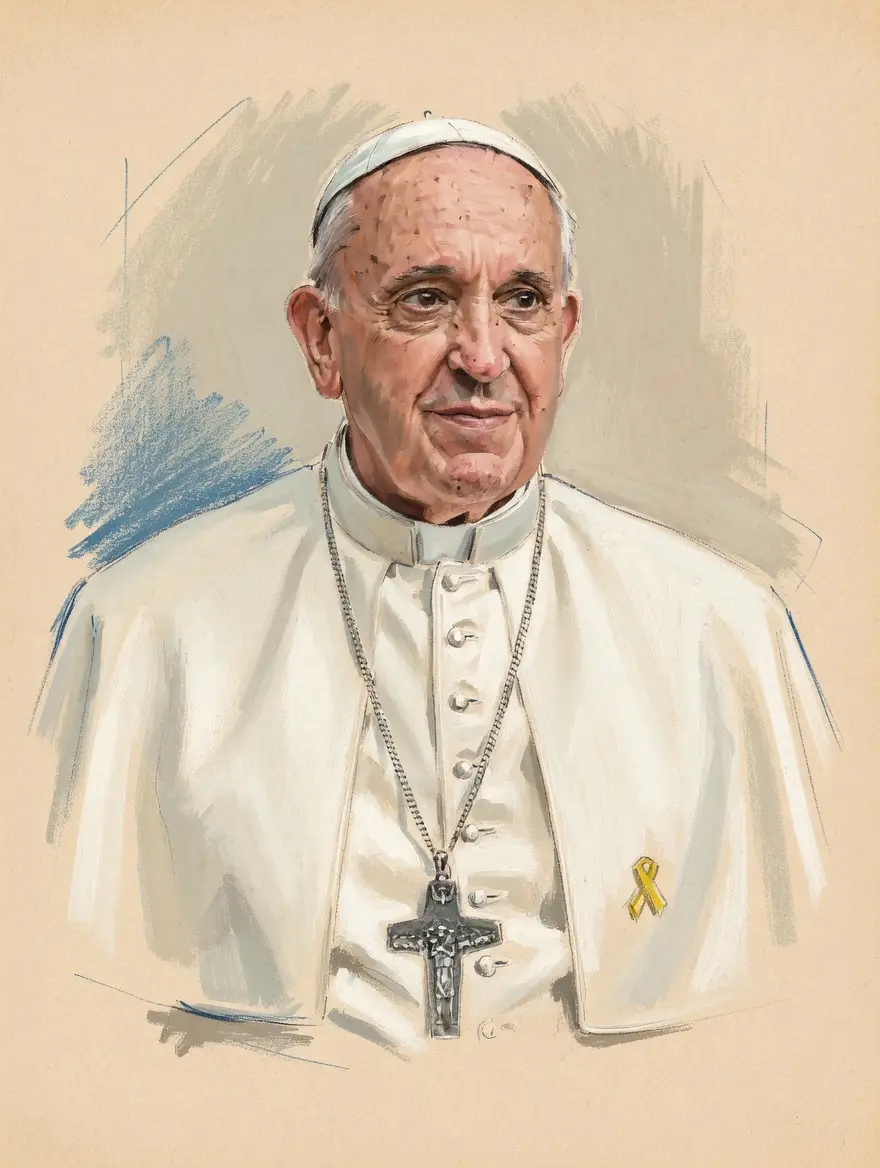
Pope Francis on Atheism
TL;DR
Pope Francis encourages atheists to be good people, asserting that goodness is shared even without belief in God.
Key Points
He stated that it is better to be an atheist than a churchgoing Christian who hates others (2013).
The Pope assured atheists they do not have to 'believe in God' to be saved, provided they follow their conscience (2013).
Francis indicated that goodness and seeking the good are paths to God, even for those who do not believe (2013).
Summary
Pope Francis has expressed a consistent stance suggesting that atheists can achieve salvation or goodness through their adherence to moral principles, even in the absence of faith in God. He famously stated that one does not need to believe in God or profess faith to live a good life and that there are Christians who act contrary to the Gospel, implying that an atheist's morality can surpass that of a hypocritical believer. This approach signaled a shift towards emphasizing shared humanity and moral action over strict adherence to religious doctrine as the sole path to righteousness.
This position extends the Church's dialogue beyond those already within its fold, implying that virtue and righteousness are not exclusively the domain of the faithful. While affirming that atheists can be good, the pontiff simultaneously calls for an end to forms of aggressive evangelization that he views as counterproductive. His emphasis remains on the importance of faith for Christians, but he broadens the scope of acceptable ethical living to include non-believers who follow a sincere moral code.
Frequently Asked Questions
Pope Francis has taken an inclusive stance, suggesting that atheists who are good people and follow their conscience can attain salvation. He differentiated between sincere atheists and hypocritical believers, stating it is better to be the former than the latter.
His initial notable statements around 2013 indicated a softer approach than previous Vatican rhetoric, emphasizing action over declaration of faith. Since then, the Pope has maintained this theme, focusing on dialogue and shared morality rather than doctrine as the primary marker of goodness.
The Pope famously suggested that atheists do not necessarily need to believe in God to be saved, as long as they adhere to a moral code. He implied that following one's conscience and doing good is a sufficient path for them.
Sources9
What Pope Francis Really Said About Atheists and Salvation
To Believe in God and Hate Mankind Is Practical Atheism
Pope Francis assures atheists you don't have to believe in God to be saved
Pope Francis’s Atheist Outreach
Pope Francis: Atheists and Salvation
Pope Francis: It Is Better to Be an Atheist Than a Churchgoing Christian Who Hates Others
Atheists aren't so bad, says Pope Francis
Don't Be Bad Christians, People May Think Atheism Is Better, Pope Says
Why did Pope Francis tell atheists just be good?
* This is not an exhaustive list of sources.