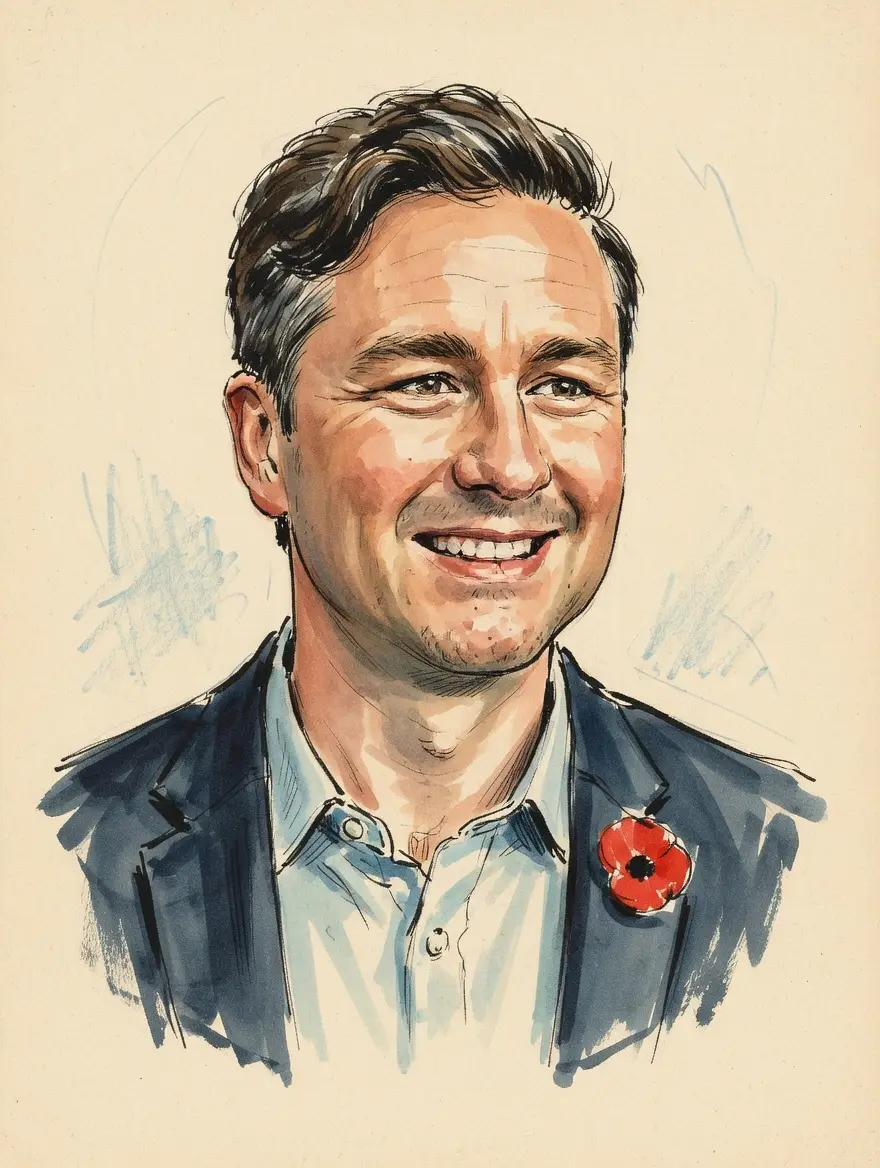
Pierre Poilievre on China
TL;DR
Pierre Poilievre firmly opposes making China a substitute for Canada's essential, primary relationship with the United States.
Key Points
He criticized the government for making a deal allowing 50,000 electric vehicles into the country, which he views as jeopardizing security and auto jobs.
He stated there is no guarantee that tariffs on canola and other Canadian goods will be permanently or completely eliminated despite a taxpayer loan for Beijing to build Canadian ships.
He asserted that Canada should not declare a permanent rupture with the U.S. in favour of a new strategic partnership with Beijing, a regime he opposed before the election.
Summary
Pierre Poilievre has articulated a clear position on China primarily by contrasting potential engagement with the necessity of prioritizing Canada’s relationship with the United States. He argues that despite any current trade friction, China cannot be viewed as a substitute for the U.S., which he considers the nation's closest neighbor and indispensable economic partner. This stance was highlighted when criticizing the Prime Minister's reported move toward a "strategic partnership" with Beijing, especially after that same government had previously identified China as Canada's "biggest security threat" before an election. He views any major shift toward Beijing as jeopardizing Canadian security and jobs, particularly in sectors like auto manufacturing.
His approach implies a focus on strengthening domestic economic leverage to better negotiate with both the U.S. and other global powers, rather than seeking a new "world order" alignment with Beijing. He has opposed deals that might allow Chinese-made electric vehicles onto Canadian streets while current tariffs remain on Canadian exports like canola and pork. The emphasis is on diversification that remains "grounded in realism," suggesting that while global engagement is acceptable, it should not come at the expense of a stable relationship with the U.S. and should be wary of dependency on a regime cited for sophisticated foreign interference threats.
Frequently Asked Questions
Pierre Poilievre's position is characterized by a strong emphasis on maintaining a primary, stable relationship with the United States, explicitly warning against substituting the U.S. with China. He views the Asian superpower through a lens of security risk and unfair trade, criticizing government engagement that compromises Canadian sovereignty or domestic jobs.
His statements suggest a consistent critique of dealing with China in a manner that antagonizes the U.S. He highlighted the contradiction between the current government calling China a security threat pre-election and then pursuing a 'strategic partnership' post-election, implying the policy shift is on the government's side.
He stated that diversification of trade is necessary but must be realistic, cautioning against confusing engagement with dependency on China. He opposed trade deals that allow Chinese-made EVs while Canadian agricultural exports still face high tariffs.
Sources3
Statement From Conservative Leader Pierre Poilievre on the Prime Minister's Trip to China
Poilievre lays out vision for Canada-U.S. relations, says no 'permanent rupture' between two countries
Canada should not have an election before reviewing CUSMA trade deal, says Poilievre | CBC News
* This is not an exhaustive list of sources.