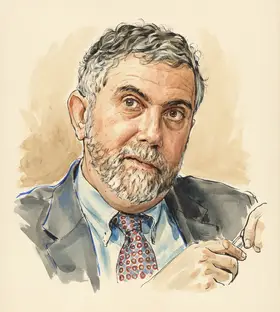
Paul Krugman on Recession
TL;DR
Paul Krugman strongly advocates for aggressive government stimulus to combat recessions and mitigate prolonged high unemployment.
Key Points
He argued that the policy response to the 2008 crisis was insufficient, leading to a prolonged period of high unemployment, echoing the mid-1930s stagnation.
He contends that aggressive stimulus is required to support the economy for an extended period following a financial crisis, contrary to arguments for premature withdrawal.
In 2025, he expressed concern that despite the official economy appearing stable, a 'frozen' state with low hiring was already hurting workers and increasing inequality.
Krugman believes that recessions, especially those following financial meltdowns, are often non-linear and feed on themselves if policy support is pulled back too quickly.
Summary
Paul Krugman's core position on recession emphasizes the necessity of robust government fiscal and monetary stimulus to counteract economic downturns, particularly those caused by financial crises or demand shortfalls. He views recessions as periods where private spending collapses, leading to prolonged suffering and long-term societal scars unless the government acts forcefully, contrasting this with the inadequate responses seen during the Great Depression. He has also warned that economies can be in a much worse shape than official metrics suggest, pointing to frozen labor markets and rising inequality as evidence of suffering even without a formal NBER-declared recession.
His analysis often involves drawing historical parallels, such as linking the 2008 financial crisis to the Great Depression's structure, which he attributes to mislearned lessons and an over-reliance on central bank omnipotence without sufficient fiscal backing. He frequently critiques those who oppose stimulus based on deficit concerns or other fallacies, arguing that policy withdrawal too soon can cause a damaging 'second slump.' Krugman stresses that the aftermath of financial crises typically requires years of sustained support, not a premature turning towards contractionary policy, which risks breaching indicators like the Sahm rule that signal deep economic distress.
Key Quotes
My point for now is that even though we haven’t had a recession yet, the frozen state of the U.S. economy has already made life much worse for many workers.
And the complacency now setting in over the state of the economy is both foolish and dangerous.
Frequently Asked Questions
Paul Krugman's main advice is for the government to provide aggressive fiscal and monetary stimulus immediately. He believes that failing to provide sufficient demand support leads to prolonged, high unemployment following a financial crisis.
No, Paul Krugman does not believe the US economy avoids recession easily, even if official data looks benign. He warns that underlying issues like a 'frozen' labor market and rising inequality mean the economy can be in worse shape than widely reported.
He stated that society mislearned and forgot lessons from the Great Depression, leading to an unwarranted belief in the omnipotence of central banks while underestimating the need for fiscal action. This intellectual failing can cause a near-repeat of historical downturns.
Sources9
How Worried Should We Be About the Economy?
Paul Krugman Warns the Iran War Could Be the Last Straw for the US Economy
Paul Krugman “The Economic Meltdown: What Have We Learned If Anything?” - MIT Lecture
'The Long and Winding Road' – The Great Recession's Diagnosis by the 'Doctor' – Paul Krugman
Paul Krugman on Iran conflict, stock market, and economic outlook
The Ezra Klein Show: Paul Krugman on the Economy, Trump, and the Next Steps
Why Paul Krugman is Wrong about the Recession
* This is not an exhaustive list of sources.