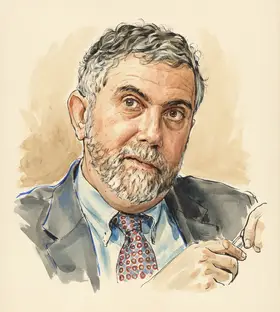
Paul Krugman on Inflation
TL;DR
Paul Krugman analyzed inflation, arguing its causes were primarily supply-driven rather than purely monetary phenomena.
Key Points
He detailed in a February 2026 post that the inflationary effect of tariffs was about 0.8 percentage points, which aligned with estimates from the HBS Pricing Lab.
Krugman argued against the doctrine of 'immaculate inflation' in a 2018 piece, emphasizing that unemployment/slack has a necessary link to wage and price setting.
He expressed concern around July 2022 that the Federal Reserve risked recession by raising interest rates too substantially to curb inflation.
Summary
Paul Krugman has consistently engaged in debates surrounding the causes and implications of recent inflation episodes. His core analysis often centers on distinguishing between the effects of aggregate demand, monetary policy, and supply-side factors like tariffs or supply chain disruptions. He frequently pointed to supply-side shocks as a significant, if not dominant, driver of the initial inflation surge, arguing that the effect of tariffs, for instance, was quantifiable and not a major source of the overall price increase.
His position has evolved in relation to the debate over whether inflation was 'transitory' or 'persistent,' often aligning with the view that initial price increases were temporary shocks that did not become entrenched in long-run inflation expectations. Krugman has expressed concerns about the Federal Reserve tightening policy too aggressively in response to inflation fears, suggesting that the costs of over-tightening, like triggering a recession, were asymmetric and potentially greater than the risk of slightly elevated inflation.
Key Quotes
There's no inflation threat to speak of right now, says Paul Krugman. In fact, deflation poses a bigger danger, he argues.
Frequently Asked Questions
Paul Krugman largely attributes recent inflation to supply-side factors, such as supply chain issues, while acknowledging demand-side influences like fiscal stimulus. He has actively debated economists who focus more exclusively on monetary phenomena as the root cause.
Yes, Krugman was associated with the view that much of the inflation was transitory, meaning it stemmed from temporary shocks and would subside without entrenched expectations forming. He has argued that the disinflation seen aligns with the transitory view.
The economist has voiced caution regarding the Federal Reserve's policy. He argued that the costs of over-tightening monetary policy to fight inflation—namely, triggering a recession—were asymmetric and potentially too high.
Sources8
Inflation - Paul Krugman
Opinion | Paul Krugman: I Was Wrong About Inflation
Paul Krugman | PBS NewsHour
Paul Krugman on “matter of opinion” said there was a debate between transitory and permanent inflation around 22 min in. : r/Thedaily
The war on inflation is over. We won, at very little cost
Paul Krugman: Immaculate Inflation Strikes Again
Krugman Mocked for Inflation Chart Excluding Food, Gas ...
* This is not an exhaustive list of sources.