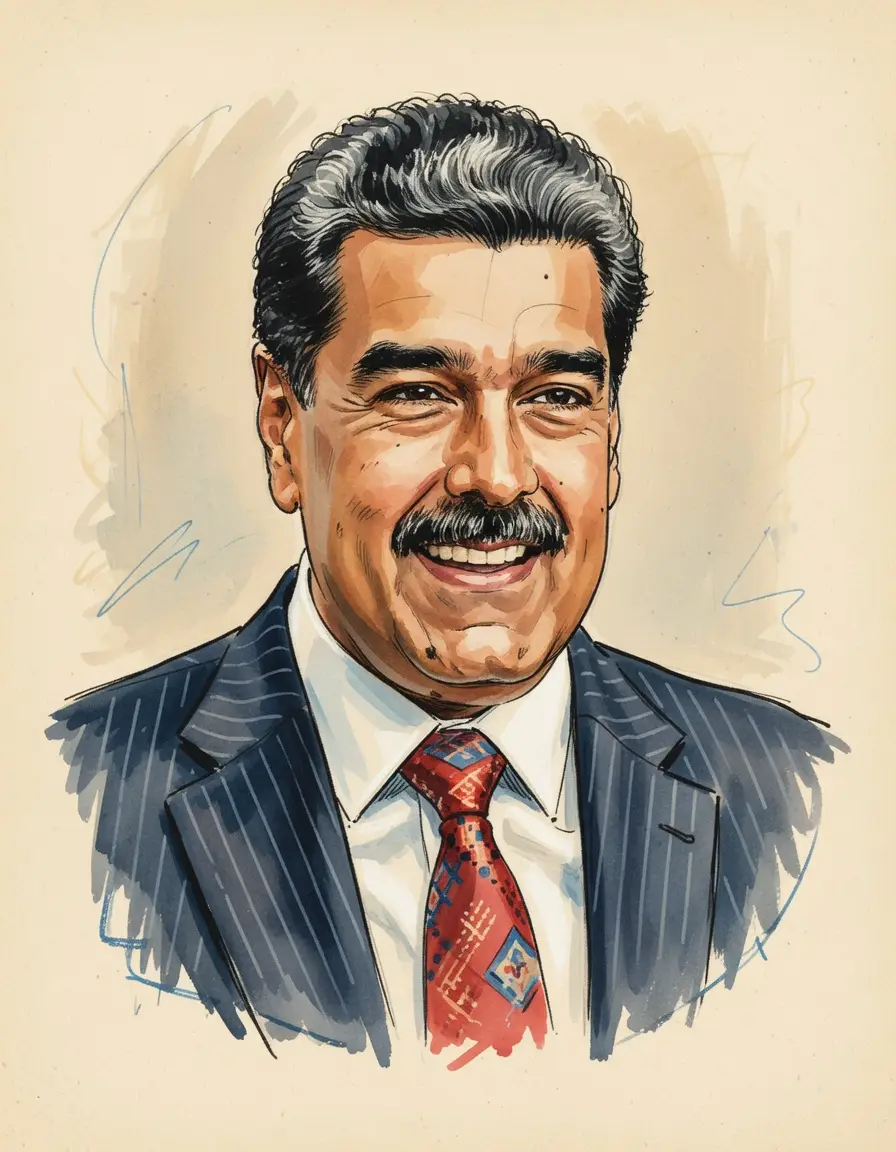
Nicolás Maduro on International Justice
TL;DR
Nicolás Maduro vehemently rejects the jurisdiction of international courts, viewing them as tools of foreign political aggression against Venezuela.
Key Points
He views international legal mechanisms, such as the ICC, as tools used by foreign powers to interfere in Venezuela's domestic affairs.
The administration asserts that any external legal action undermines national sovereignty and is part of a campaign against the Bolivarian Revolution.
His government has been accused by victims' groups of crimes against humanity, prompting calls for international arrest warrants for Maduro and his leadership.
Summary
Nicolás Maduro's position on international justice is characterized by a strong rejection of international legal bodies, particularly those he perceives as influenced by the United States. He frames legal actions against him or Venezuela as political persecution rather than legitimate judicial processes, asserting that these bodies lack true impartiality when dealing with his government. This stance is often tied to broader critiques of what he calls a unilateral, Western-dominated "rules-based order" that seeks to undermine national sovereignty. He argues that accountability should be sought domestically or through platforms that recognize Venezuela’s right to self-determination.
This perspective has hardened in response to ongoing investigations and arrest warrant requests related to alleged crimes against humanity. When international bodies move toward accountability, Maduro and his administration typically counter-accuse the prosecuting nations of hypocrisy and aggression, pointing to actions taken by those same foreign powers. He positions himself and his government as the victims of a biased international system, which, in his view, substitutes force and political maneuvering for genuine international law. His rhetoric consistently delegitimizes these proceedings, thereby creating a domestic and international narrative of unjust targeting.
Frequently Asked Questions
Nicolás Maduro holds a firmly negative position on international justice institutions, viewing them as politically motivated instruments rather than impartial courts. He consistently rejects their jurisdiction over Venezuela, framing any legal inquiry as an act of foreign aggression against his government.
His core stance has remained consistent: a categorical rejection of external judicial authority. However, the administration's public defense rhetoric has evolved to counter specific actions, such as mounting legal challenges or responding to international warrant requests.
Nicolás Maduro has stated that the International Criminal Court is being used for political purposes against Venezuela by external actors. He argues that these processes lack legitimacy and are designed to destabilize his leadership rather than pursue genuine justice.
Sources10
How Should International Law Be Considered in the Case of Venezuela’s Maduro?
Congressman McGovern Statement on Venezuelan Human Rights
USA: Aggression against Venezuela further weakens rules-based order
Venezuela: Escalating an existing crisis through force is no substitute for international justice
The United States Attack Against Venezuela Might Does Not Make Right
US just captured Maduro: What’s next for Venezuela and the region?
Editorial: When Maduro was put on trial, the US was also standing in the dock of the international community
Venezuela: Torture, arbitrary detention and abuse of dozens of children must stir international justice into action
International Victims and Defenders Call on International Criminal Court to Issue Arrest Warrant for Maduro and His Top Leadership
Decision on the Prosecutor’s Request for a Warrant of Arrest
* This is not an exhaustive list of sources.