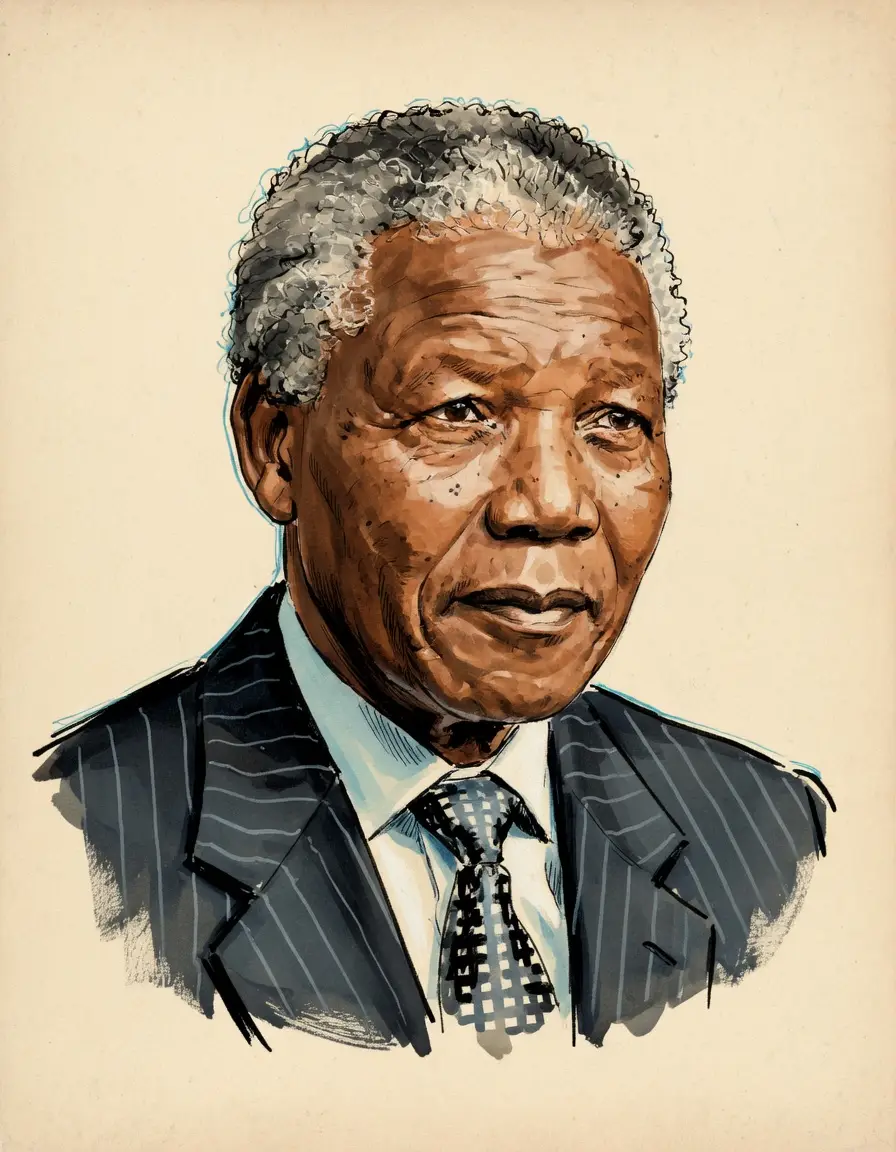
Nelson Mandela on Hope
TL;DR
Nelson Mandela viewed hope as an active, powerful weapon and essential force for survival, dignity, and future victory.
Key Points
He wrote to his wife in 1969 that hope is a powerful weapon that no earthly power can take away.
He stated that the brave person conquers fear, and this act of triumph over fear is rooted in hope.
He articulated that his choices needed to reflect his hopes rather than his fears, guiding his decision-making.
Summary
Nelson Mandela conceptualized hope as an indispensable and active force, forged through immense suffering, rather than mere passive optimism. During his decades of imprisonment, he clung to this belief, recognizing hope as a powerful weapon that no external power could remove from his soul. This conviction, influenced by texts like The Power of Positive Thinking, fueled his resilience against the dehumanizing conditions of incarceration, even when facing profound personal loss, such as the death of his mother or son. His commitment to this principle allowed him to endure and ultimately emerge ready to lead a unified nation.
This resilient hope was intrinsically linked to his vision for a just and peaceful world, one free from intolerance and conflict. He maintained that true hope required maintaining one's head toward the sun and continuing forward, viewing setbacks not as final defeats but as necessary steps in a long walk toward freedom. Furthermore, he believed that his choices must always reflect his hopes, not his fears, making hope a guiding principle for his decision-making and leadership throughout his life.
Key Quotes
Remember that hope is a powerful weapon even when all else is lost.
Frequently Asked Questions
Nelson Mandela strongly believed hope was an essential, active force for survival and victory against adversity. He viewed hope as a powerful weapon that sustained him through 27 years of imprisonment. His position was that hope must guide one's actions, ensuring choices reflect aspirations rather than succumbing to fear.
No, he did not see hope as passive optimism; for him, it was a disciplined, active, and strategic force. His ability to maintain hope during hardship was extraordinary and central to his legacy. This active hope enabled him to remain focused on his cause for human dignity and an honorable life.
Nelson Mandela famously encouraged people to ensure their choices always reflect their hopes, rather than allowing their fears to dictate their path. This sentiment underscored his belief that aligning decisions with one's highest aspirations is crucial for personal triumph and resilience.