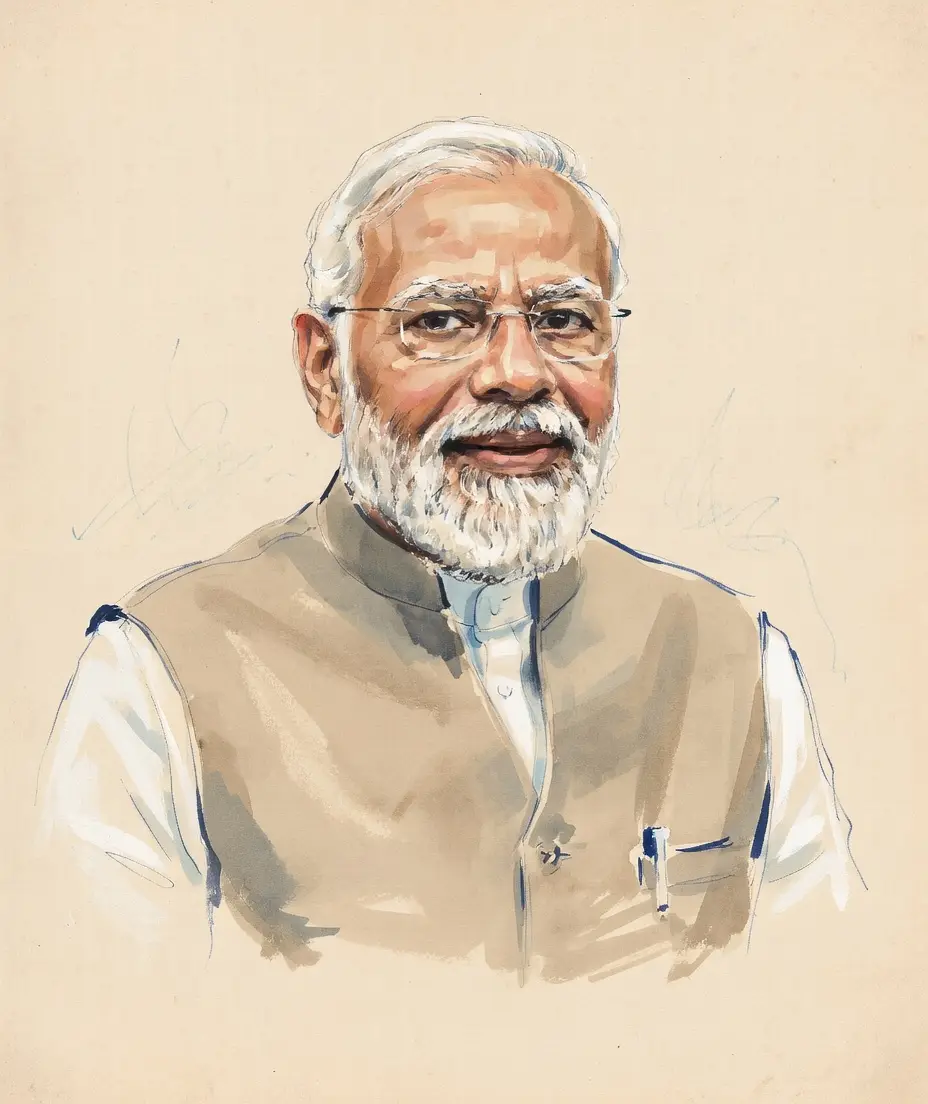
Narendra Modi on United States
TL;DR
Narendra Modi views the United States as a crucial strategic partner, evidenced by recent historic trade agreements and security alignment.
Key Points
He confirmed an agreement to reduce US reciprocal tariffs on Indian goods from 25% to 18% following a call with the US President on or around February 2026.
The agreement included India’s commitment to stop purchasing Russian Federation oil, which had previously resulted in the US imposing an additional 25% tariff.
The leader previously stated in August that he was prepared to pay a heavy personal price to defend the interests of Indian farmers, a sector under trade negotiation pressure.
Summary
Narendra Modi has actively sought to strengthen the bilateral relationship with the United States, particularly regarding economic and security ties, culminating in recent high-profile agreements. Key evidence of this is a framework for an Interim Agreement that the leader reached with the US President to lower tariffs on Indian goods from 25% to 18% in exchange for India halting Russian oil purchases. This move suggests a willingness to align with US economic and geopolitical positions, even on sensitive energy matters, to secure market access for Indian products.
This recent diplomatic pivot follows a period of strained trade relations, marked by high US tariffs on Indian imports that were imposed due to India’s continued purchase of Russian oil. While the agreement signals a significant thaw, it has drawn domestic criticism that the Indian leader is surrendering sovereign decision-making to the US administration. Despite this internal pressure, the leader's public confirmation of reduced US tariffs on India showcases a pragmatic approach to managing the partnership for economic benefit.
Frequently Asked Questions
Narendra Modi generally maintains a positive and strategically significant position toward the United States, viewing it as a vital partner. His government has recently prioritized securing trade deals and economic alignment with Washington. This approach aims to boost Indian exports and secure bilateral investment.
Yes, his stance has evolved, particularly in the context of the recent trade negotiations with the US administration. He has shown a willingness to make concessions, such as agreeing to stop purchasing Russian oil, to achieve tariff reductions for Indian goods. This marks a shift from earlier positions that were more guarded on trade and energy sourcing.
The leader confirmed in a statement that India would benefit from a reduced reciprocal tariff of 18% from the US. He expressed gratitude and hailed the US President's leadership for global peace. However, his statement reportedly omitted several other points announced by the US side regarding purchasing US energy and other products.
Sources5
Fact Sheet: The United States and India Announce Historic Trade Deal
Modi, India, Trump Trade Deal Blowback
'So Embarrassing for India': After Oil Purchase Permission, Opposition Says Modi Surrendering to Trump
Modi, Trump announce India-US 'trade deal': What we know and what we don't
BBC Article on US-India Trade
* This is not an exhaustive list of sources.