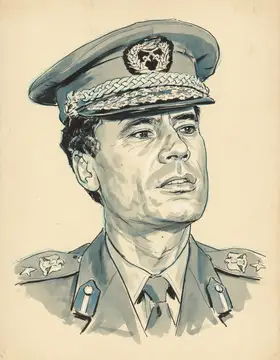
Muammar Gaddafi on Saddam Hussein
TL;DR
Muammar Gaddafi believed Saddam Hussein squandered Iraq's resources for personal glory and paid the price for reckless actions.
Key Points
The former Libyan leader believed Saddam Hussein paid the ultimate price for his "reckless actions" during his rule.
Relations between the two leaders deteriorated to a complete diplomatic breakdown by 1986 after an intense confrontation regarding the Iran-Iraq War.
Gaddafi allegedly warned other Arab leaders at the 2008 Arab Summit that the execution of the Iraqi president signaled the US turn would come for all of them.
Summary
Muammar Gaddafi expressed a critical view of Saddam Hussein, particularly after the latter's downfall following the US invasion of Iraq. According to his former Foreign Minister, Gaddafi stated that Hussein failed to work for Iraq, instead harnessing the nation's significant resources solely for his personal glory. This assessment included condemnation of Hussein's costly and futile involvement in conflicts such as the war with Iran and the invasion of Kuwait, which Gaddafi viewed as having squandered Iraq's immense wealth.
Initially, relations between the Libyan and Iraqi leaders were amicable, stemming from a shared opposition to peace settlements with Israel, despite ideological differences between their respective nationalist movements. However, the relationship soured significantly, leading to a complete diplomatic break by 1986, partly due to a bitter, highly personalized verbal confrontation over the Iran-Iraq War. The US invasion and execution of Hussein reportedly shook Gaddafi, prompting him to reflect on the consequences of such regional actions and question past animosities with the US.
Frequently Asked Questions
According to recollections from a former Libyan minister, Muammar Gaddafi believed Saddam Hussein had squandered Iraq's resources for personal glory rather than the nation's benefit. Gaddafi reportedly stated that Hussein paid the price for his reckless actions, including futile battles and the Kuwait invasion, as detailed in August 2023. The subsequent US actions in Iraq also made the Libyan leader reexamine his own country's foreign policy, according to the same source.
The relationship between Muammar Gaddafi and Saddam Hussein was initially amicable, with both leaders sharing a common stance against peace settlements with Israel, as noted by an Iraqi diplomat in a September 2023 report. This period predates 1979, during which Iraq offered significant support to Libya post-revolution. The dynamic was rooted in a rivalry between the Nasserist and Ba'ath movements for Arab world leadership.
Yes, Gaddafi's position evolved from an initial period of amicable cooperation, based on shared regional opposition to Israel, to open hostility, which resulted in a diplomatic breakdown by 1986. Following Hussein's execution, Gaddafi reportedly took a more somber view, suggesting Hussein had brought destruction upon Iraq through his own miscalculations, according to statements reported in August 2023.
Sources4
Shalgham: Gaddafi Believed Saddam Paid Price for His Actions, Squandered Iraq's Resources
The Historical Feud: Unveiling the Tensions Between Saddam Hussein and Muammar Gaddafi
Libyan dictator Muammar Gadaffi meets with Iraqi dictator Saddam Hussein, early 1990's.
Gaddafi: The Arab Madman Cometh
* This is not an exhaustive list of sources.