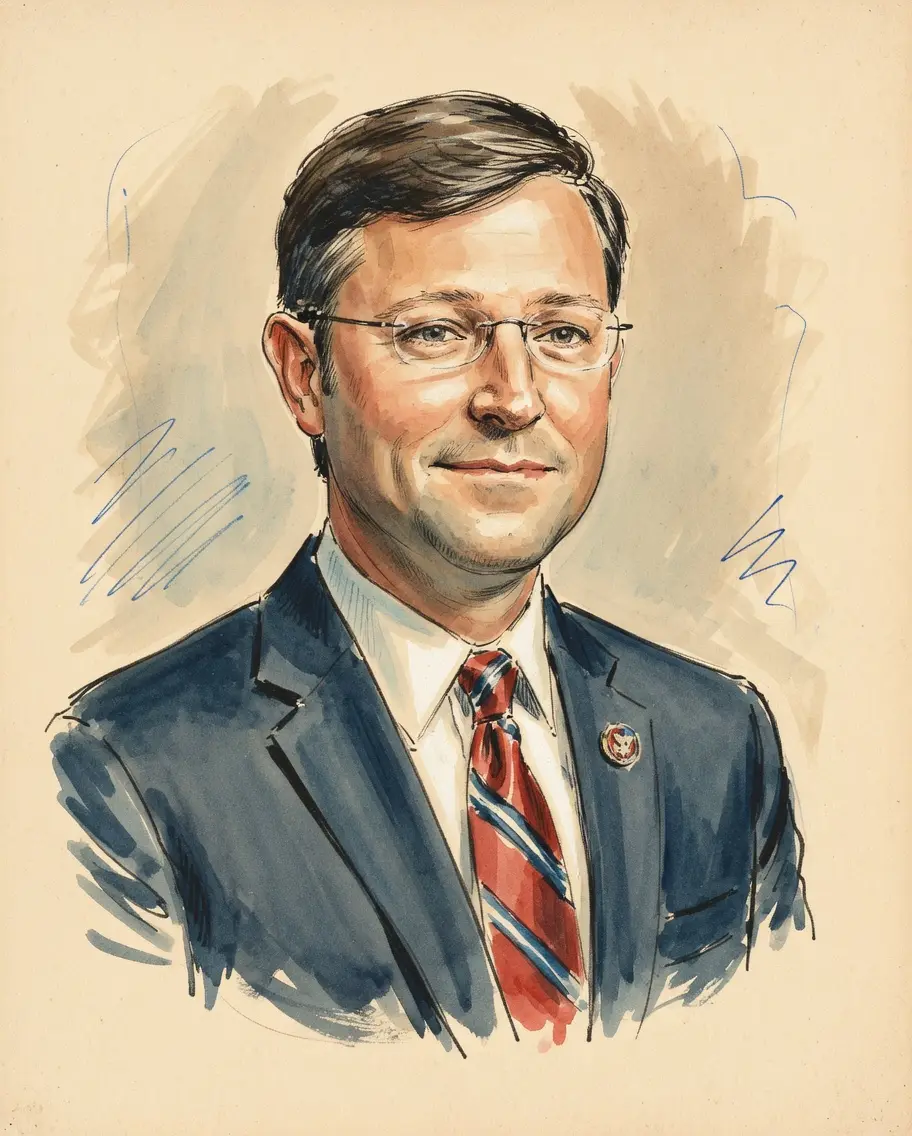
Mike Johnson on Epstein Files
TL;DR
Speaker Mike Johnson stated he will not block a House vote if a discharge petition forces the release of the Jeffrey Epstein files.
Key Points
He stated that if a discharge petition gathers the required 218 signatures, the House vote on releasing the Epstein files will proceed as normal procedure dictates.
The Speaker attempted to sideline calls for a vote by sending members home early for a month-long recess, claiming to give the administration space to release information.
He argued that a bipartisan House oversight committee was already conducting an investigation into Epstein, which could render a discharge petition unnecessary.
Summary
Mike Johnson, the Republican House Speaker, indicated that he would allow a vote on the release of the Jeffrey Epstein files if the necessary bipartisan support is gathered via a discharge petition. He has maintained that the House should not push the administration to act if they are already planning to release information, stating there is no purpose for Congress to intervene in that case. The Speaker has also cited a moral responsibility to protect the innocent alongside exposing the alleged crimes of Epstein and his associates, framing the issue as a delicate balance.
His stance has placed him in a difficult position, facing pressure from rank-and-file Republicans, often driven by online influencers and constituents, to support full transparency regarding the sex trafficking investigation. This internal party turmoil has, at times, upended the legislative agenda, leading to the early adjournment of the House session to avoid votes on the matter. Despite his stated intention not to block a successful petition, his actions, such as sending members home for a recess, have been perceived by some as attempts to delay or sideline the push for immediate disclosure.
Key Quotes
"If it hits 218, it comes to the floor"
Frequently Asked Questions
Mike Johnson has stated that he will not block a House vote on releasing the Jeffrey Epstein files if a discharge petition forces the issue onto the floor. He insists that the House should not intervene if the administration is already planning to release the documents.
Yes, the Speaker has taken actions that suggest a desire to delay the vote, such as ending the House session early for a recess to avoid the possibility of the discharge petition succeeding. This has caused friction within his own party.
The Speaker expressed a belief in a dual moral responsibility: to expose the evil of Epstein's actions while simultaneously protecting innocent individuals who may be implicated. He described navigating this balance as threading a fine needle.
Sources7
Johnson shuts down House for the summer to sideline calls for Epstein transparency
Speaker Mike Johnson says he won't block House vote to release Epstein files
Mike Johnson on Epstein files, discharge petition vote
Member backlash to DOJ tracking
Speaker Johnson, DOJ, Epstein files, tracking
Epstein files House vote Johnson
House Speaker Johnson calls for early summer recess to avoid vote on Epstein files
* This is not an exhaustive list of sources.