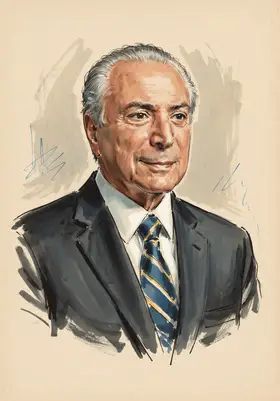
Michel Temer on Lava Jato Operation
TL;DR
Michel Temer's administration was criticized for neglecting anti-corruption reforms and attempting to shield allies from the Lava Jato probe's reach.
Key Points
In December 2017, the former President sparked outrage by reducing minimum prison time for nonviolent criminals eligible for a presidential pardon.
His Minister of Transparency, Fabiano Silveira, resigned in May 2016 after a leaked recording implicated him in advising on how to undermine the Lava Jato investigation.
By mid-2017, at least eight cabinet ministers or top aides had stepped down from his administration due to revelations stemming from Lava Jato and related probes.
Summary
Michel Temer, upon assuming the interim presidency in 2016, faced intense scrutiny regarding his stance on the ongoing Lava Jato Operation. His administration was widely accused of neglecting the anti-corruption agenda that had gained massive public support. Key evidence for this position includes the forced resignation of his Minister of Transparency, Fabiano Silveira, after a recording revealed he offered advice on undermining the graft investigation. Furthermore, a former key ally was forced to take leave after tapes showed plotting to impede the probe.
Temer's actions, such as issuing a controversial Christmas pardon in 2017 that critics argued would benefit convicted individuals, further solidified the perception of opposition to the investigation's goals. While he survived impeachment attempts and charges against him failed to gain necessary Congressional approval, the frequent turnover in his cabinet due to Lava Jato revelations and his efforts to dilute anti-corruption legislation signaled a clear effort to limit the scope and impact of the operation.
Key Quotes
In his infamous 2017 Christmas pardon, former President Temer even excused the crimes of several corrupt individuals convicted under the Lava Jato investigations.
Former President Michel Temer, who was arrested last March on corruption charges, has already challenged the arrest order before STF claiming that electoral courts should be handling the case.
Frequently Asked Questions
Michel Temer's administration was widely viewed as being at odds with the Lava Jato Operation. Critics noted his administration neglected necessary structural anti-corruption reforms after he took office in 2016. His efforts to manage the political fallout from the investigation were seen as attempts to protect his cabinet and allies.
The administration faced accusations of actively working against the Lava Jato Operation, despite public commitments to fight corruption. This was evidenced by the resignation of his own transparency minister after he was recorded giving advice on how to undermine the probe. Furthermore, his administration was criticized for moving contrary to anti-graft efforts, such as proposing a controversial pardon.
One notable action was the controversial reduction of required prison time for nonviolent criminals eligible for a presidential pardon in late 2017. This was interpreted by critics as a measure designed to eventually benefit politicians convicted under Lava Jato. His cabinet was also significantly impacted, with multiple officials stepping down due to connections exposed by the probe.
Sources6
Structural reforms are the answer to Brazil's continuous decline on the CPI
Lava Jato: Brazilian anti-corruption minister quits over secret recording
Brazil's Corruption Fallout
Eleven Facts that Show the Failure of Temer’s Government
Brazilian “Car Wash” Prosecutors Threaten to Resign over Amendments to Corruption Law
The Lengthy Brazilian Crisis Is Not Yet Over
* This is not an exhaustive list of sources.