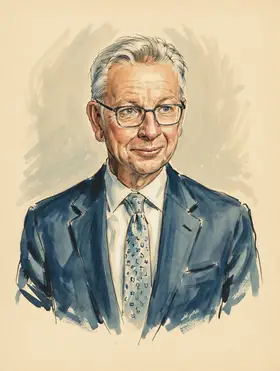
Michael Gove on Education
TL;DR
Michael Gove championed radical, evidence-based reforms aimed at raising standards and narrowing achievement gaps in English schools.
Key Points
He introduced reforms making GCSEs more demanding by moving to linear, externally marked end-of-course exams, scrapping previous modular systems.
The reforms included establishing new free schools and accelerating the academisation of state schools, granting them greater autonomy.
He promoted systematic synthetic phonics as the core method for teaching early reading, supported by a phonics check for six-year-olds starting in 2012.
Summary
Michael Gove, as Secretary of State for Education from 2010 to 2014, was a strong advocate for comprehensive and often controversial overhauls of the English education system. His core position was that the inherited system was overly stratified, leading to inadequate education for poorer children, and that change was necessary on both moral and economic grounds. Key evidence of his stance involved pushing for the implementation of systematic synthetic phonics for early reading, strengthening academic rigour, and reforming qualifications to be more demanding and less susceptible to grade inflation. He also built upon the academies programme, empowering more schools with autonomy.
His tenure was marked by significant structural changes, including reforms to GCSEs moving towards linear, end-of-course examinations and the introduction of the English Baccalaureate (EBacc) to encourage uptake of core academic subjects. He aimed to ensure a child's future was not determined by chance or geography, often basing his policies on international comparisons and the science of knowledge acquisition, although critics argued his methods caused hostility within the teaching profession and that the evidence base for some claims was questionable.
Key Quotes
My aim in government was to ensure that a child's future did not depend on contingency or chance
Frequently Asked Questions
Michael Gove's main goal was to reform the English education system to raise academic standards for all children and actively narrow the achievement gap between richer and poorer pupils. He believed the existing system was socially unjust and economically inefficient by not making the most of every talent.
Michael Gove's policy allowed any interested group to set up new state-funded free schools. Critics suggest this policy increased social segregation, particularly by ethnicity, and reduced student numbers at neighbouring primary and secondary schools in some areas.
He pursued a 'knowledge-rich' curriculum, reinstating classics and strengthening core subjects like maths and science, influenced by the cultural literacy arguments of E.D. Hirsch. This included reforming GCSEs to be content-heavy and assessed primarily by final exams, moving away from coursework and modules.
Sources8
The lessons I learned as education secretary
Michael Gove as Education Secretary - Wikipedia
Gove's free schools increase segregation and harm nearby schools, says study
Michael Gove: an education system which works for every child
Michael Gove – School of Education
'The impact of Govian reform has been unremittingly bad'
THE WILDERNESS YEARS: AN ANALYSIS OF GOVES'S EDUCATION REFORMS ON TEACHER ASSESSMENT LITERACY
What exactly did Michael Gove do to public education and what was teaching in the UK like before and after he became education sec?
* This is not an exhaustive list of sources.