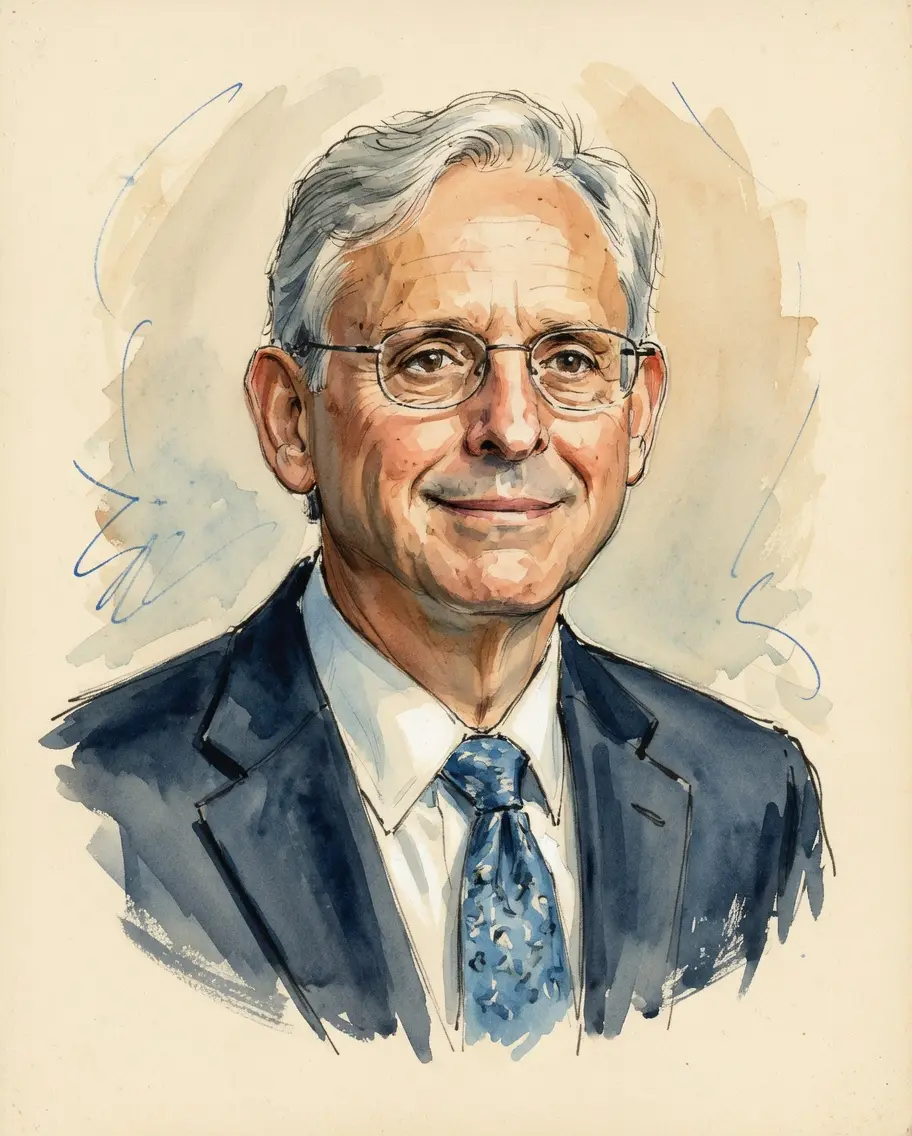
Merrick Garland on Mitch McConnell
TL;DR
Merrick Garland's view is defined by Senate Majority Leader Mitch McConnell's unprecedented refusal to consider his 2016 Supreme Court nomination.
Key Points
McConnell led the Senate effort to block any vote on Garland's Supreme Court nomination after Scalia's death in February 2016.
The Senate Majority Leader later stated that blocking Garland was one of his proudest moments, citing the election year timing as justification.
After his Supreme Court bid expired, Garland was confirmed as Attorney General by the Senate with bipartisan support in March 2021.
Summary
Merrick Garland’s public relationship with Mitch McConnell is almost entirely framed by McConnell’s decision in 2016, as Senate Majority Leader, to block Garland’s nomination to the Supreme Court following Justice Scalia’s death. Garland, then Chief Judge of the D.C. Circuit, was nominated by President Obama, but McConnell asserted the seat should be filled by the next president elected later that year. This action was widely seen as an unprecedented departure from historical Senate practice, which generally required holding hearings and a vote on a sitting president's nominee, even in an election year.
McConnell later expressed pride in blocking the nomination, stating he looked President Obama in the eye and promised he would not fill the vacancy. The nomination ultimately lapsed without action, marking the first time since the Civil War a non-withdrawn nominee failed to receive consideration. This singular political clash defines the dynamic, as Garland subsequently accepted the role of Attorney General under President Biden, a position McConnell voted to confirm despite his earlier opposition to Garland's prior nomination.
Frequently Asked Questions
Merrick Garland has not made frequent or recent public statements directly attacking Mitch McConnell. His position is primarily defined by McConnell’s obstruction of his 2016 Supreme Court nomination. Garland’s reaction was characterized by professionalism in the face of the procedural blockade.
No, Senator McConnell, as Majority Leader, explicitly refused to allow any confirmation hearings or a vote for Judge Garland's Supreme Court nomination. He argued that the vacancy occurring in an election year meant the choice should be left to the next president.
Garland's official stance remains largely professional, as evidenced by his acceptance of the Attorney General role after McConnell voted for his confirmation. Since becoming Attorney General, the focus of public interaction between the two has been on the DOJ's work rather than the previous nomination conflict.
Sources6
McConnell on Garland Nomination and Pressing Issues Facing DOJ
CMV: McConnell and Co. not allowing Merrick Garland to be confirmed to SCOTUS is the single most damaging political event in the 21st century (excluding war).
Merrick Garland Supreme Court nomination - Wikipedia
Mitch McConnell and the Nomination of Merrick Garland | FRONTLINE | PBS LearningMedia
OP-ED: When judging Mitch McConnell, don't forget about Merrick Garland
The Garland Affair: What History and the Constitution Really Say About President Obama's Powers to Appoint a Replacement for Justice Scalia
* This is not an exhaustive list of sources.