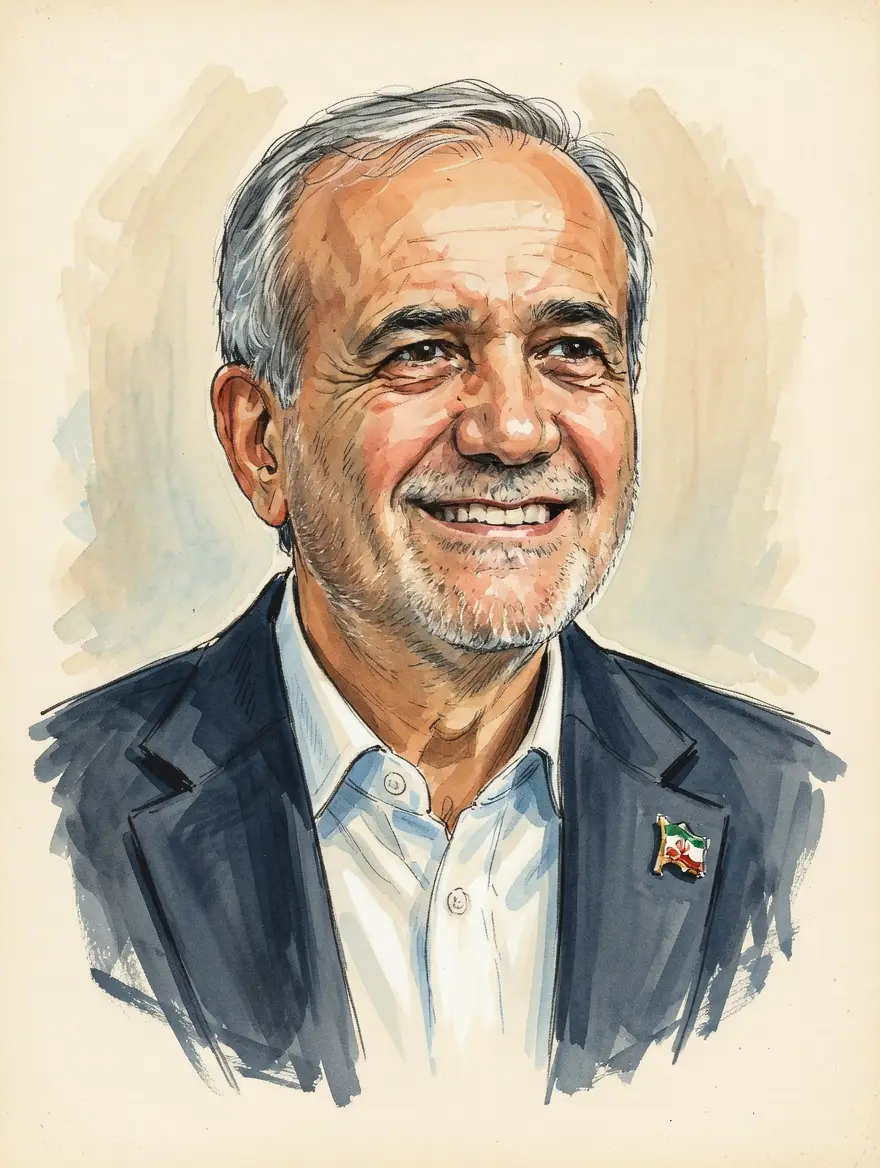
Masoud Pezeshkian on India
TL;DR
Masoud Pezeshkian has expressed a desire for good relations with neighbours while maintaining a stance of firm retaliation against aggression.
Key Points
The President offered a personal apology to neighboring countries affected by recent Iranian actions targeting regional states.
He stated that Iran's temporary leadership council approved a halt to attacks on neighbors unless aggression originates from their soil.
Pezeshkian later asserted that his conciliatory remarks were misinterpreted by the enemy who sought to sow a domestic rift.
Summary
Masoud Pezeshkian, as the President of Iran, has communicated a nuanced foreign policy stance concerning regional neighbors, which includes countries like India’s neighbors in the broader Middle East context. He has publicly apologized to neighboring states that were affected by Iranian strikes, suggesting these actions stemmed from miscommunication within the ranks, indicating a desire to de-escalate direct tensions with immediate neighbors. Furthermore, he stated that Iran’s temporary leadership council approved suspending attacks against neighboring countries unless an attack on Iran originated from those territories.
This position followed earlier, more combative statements and an apology, which prompted internal debate and required a subsequent clarification where he asserted that Iran would continue to respond firmly to any aggression. While the sources provided focus heavily on the immediate regional conflict with US/Israel and Gulf states, the emphasis on good relations and calibrated retaliation suggests a pragmatic approach to managing external relationships, which would inherently include South Asian powers like India.
Key Quotes
dream that they should take to their grave
a dream.
Frequently Asked Questions
Masoud Pezeshkian has voiced a desire for good relations with neighboring countries while stressing that Iran must retaliate firmly if attacked first. His position has involved clarifying earlier statements about military actions to prevent misunderstandings with adjacent states.
Yes, the Iranian President issued an apology to neighboring countries that were impacted by Iran's recent strikes, citing miscommunication within the ranks as the cause. This apology was part of an effort to de-escalate regional tensions.
He announced that Iran would no longer target neighboring countries unless an attack against Iran originated from their territory, indicating a conditional pause on offensive operations against them. He also later dismissed the idea that Iran would face an unconditional surrender demanded by the United States.
Sources5
Iran President apologises for strikes on neighbouring countries, says attacks caused by miscommunication - The Hindu
Iran president says his remarks misinterpreted by enemy sowing rift in regime - India Today
Iran President Masoud Pezeshkian Attacks On Neighbouring Countries
Iran's President Masoud Pezeshkian Says Neighbouring Countries Will No Longer Be Targeted Unless Provoked | DD News On Air
"Enemy's Misconceptions": Iran President's U-Turn After Apology To Neighbours
* This is not an exhaustive list of sources.