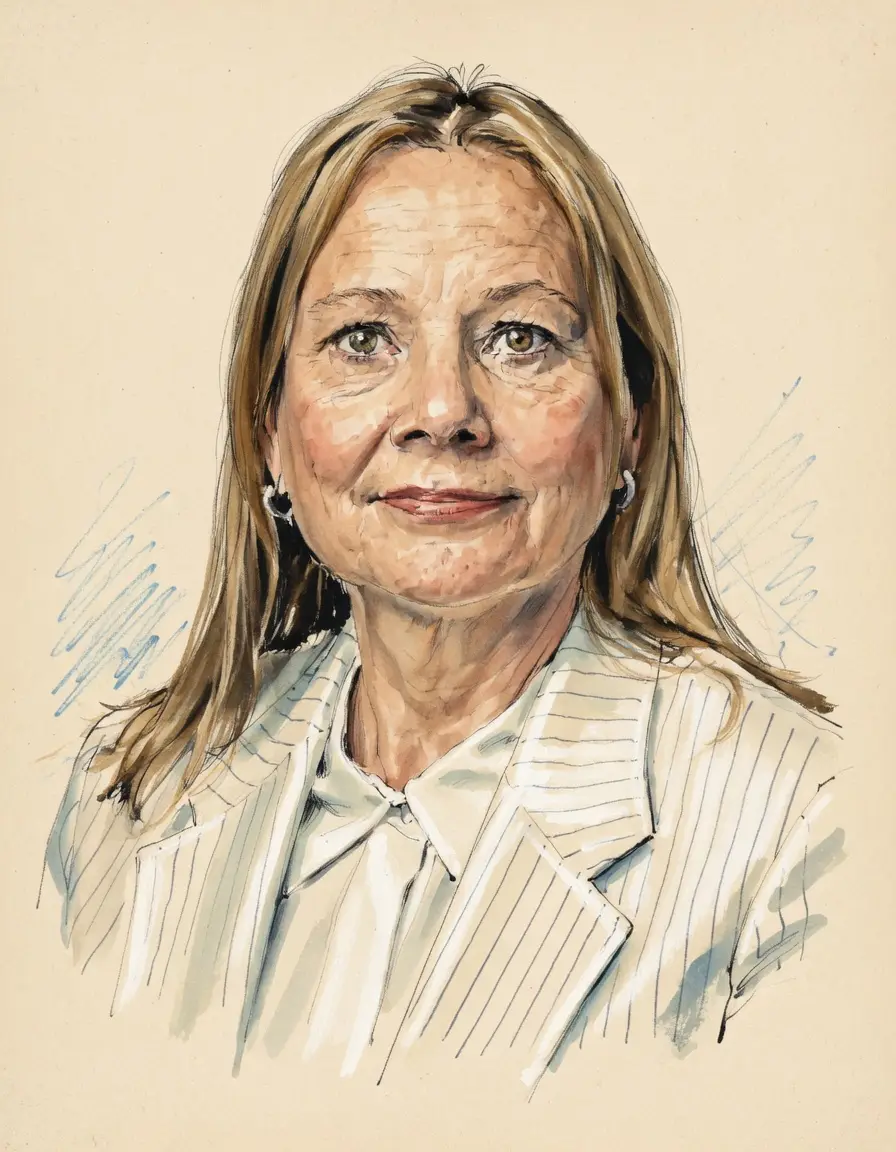
Mary Barra on Tariffs
TL;DR
Mary Barra has expressed support for certain tariffs, viewing them as tools to level the playing field for U.S. manufacturers.
Key Points
The tariffs had a few-billion-dollar impact on General Motors' business in the year prior to early 2026.
She praised the administration for creating a more level playing field for U.S. manufacturers through trade policy shifts.
GM has playbooks to mitigate potential future tariffs on Canada and Mexico, which include shifting truck production to the U.S.
Summary
Mary Barra, the CEO of General Motors, has voiced support for certain protectionist trade policies, specifically referencing the tariffs implemented by the Trump administration. She stated that these tariffs had a "few-billion-dollar impact" on GM in the preceding year but noted that the policy led to beneficial internal changes, such as bringing more production to the United States. She praised the administration for actions that made the "playing field...a bit more level" for domestic manufacturers, suggesting that tariffs, when managed correctly, can encourage U.S. industrial competitiveness against heavily subsidized foreign entities, particularly in the EV sector where China is a major player.
Her position appears to be a calculated alignment with a policy environment that prioritizes domestic manufacturing and supply chain localization. While acknowledging the immediate cost implications, the CEO framed the tariff structure as a necessary shift, complementing GM's ongoing internal strategy to reduce reliance on overseas sourcing. The company has actively been working to bring a significant portion of its global supply chain back to the U.S. Executives indicated a focus on mitigating potential impacts of further tariffs on Canada and Mexico by having playbooks in place, such as shifting truck production back to the U.S. where possible without major capital expenditure.
Frequently Asked Questions
Mary Barra's position on tariffs is nuanced; she has expressed support for the intent behind certain tariffs, viewing them as a tool to create a more level playing field for American manufacturing. However, she has also acknowledged the direct financial impact these policies can have on a global automaker like General Motors.
Yes, the CEO voiced support for the former president's tariffs, seeing them as beneficial in counteracting trade imbalances and encouraging domestic production. She specifically indicated that the policy spurred GM to make changes, including bringing more production to the U.S.
She views tariffs as a factor driving GM's strategic realignment toward domestic sourcing, noting the company has significantly reduced its reliance on Chinese supply chains. The company is actively planning production shifts to minimize the financial consequences of potential new tariffs on North American trade.
Sources5
General Motors CEO Mary Barra on adjusting to "few-billion-dollar impact" of tariffs on business
GM CEO Mary Barra on Trump Tariffs and US Manufacturing: 'We Could Have Done Better'
GM weighs production shifts, sourcing reviews to mitigate tariffs
General Motors CEO Mary Barra Defends Trump Auto Tariffs - WSJ : r/Detroit
General Motors CEO Mary Barra voiced support for President Trump's tariffs, saying...
* This is not an exhaustive list of sources.