
TL;DR
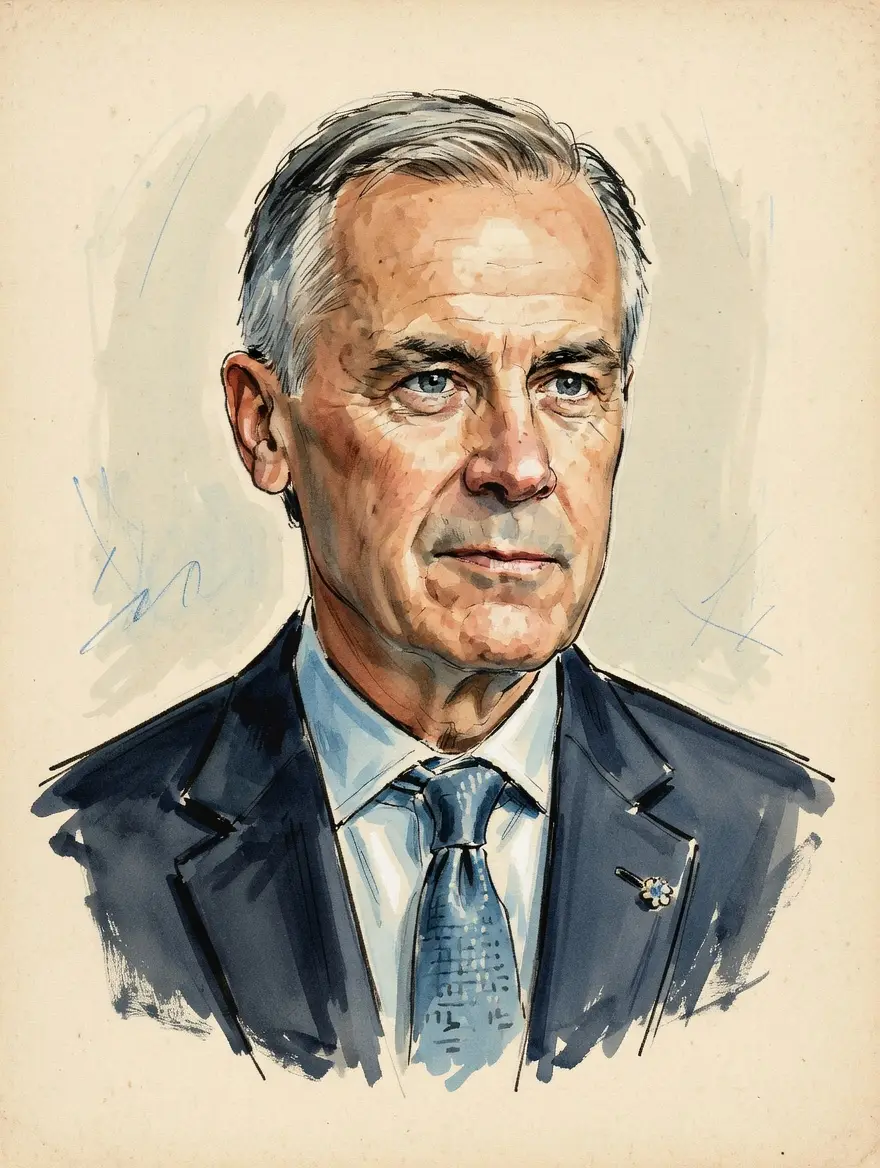
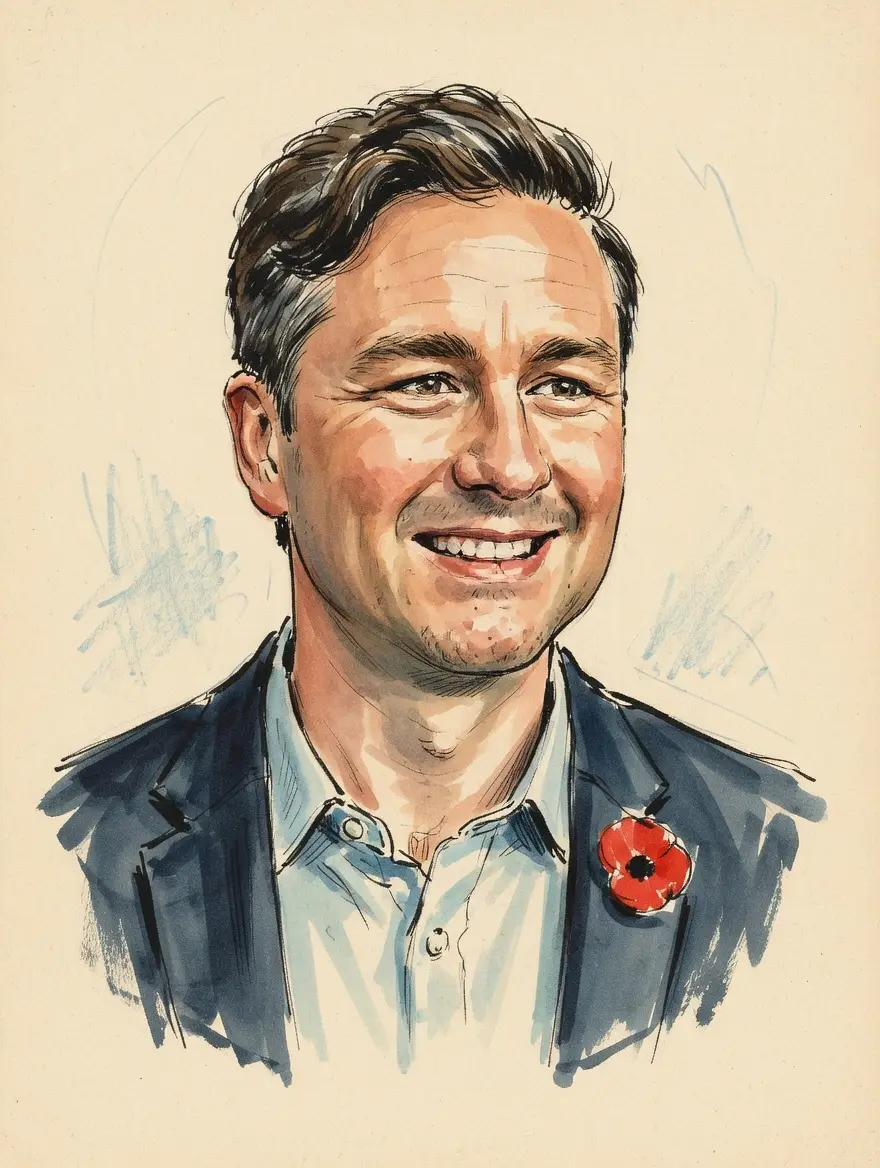
Mark Carney has expressed reservations regarding Pierre Poilievre's skepticism towards independent fiscal oversight mechanisms, contrasting with his own policy preferences.
Key Points
Poilievre expressed reservations regarding an independent fiscal watchdog suggested by Carney as recently as March 2026.
Polling data suggests Poilievre trails Carney by double digits regarding economic credibility.
Poilievre is perceived by some analysts as attempting to establish an alternative economic narrative to the one advocated by Carney.
Summary
Mark Carney has expressed significant reservations about Pierre Poilievre's stance on the role and necessity of an independent fiscal watchdog, an entity Carney suggested should be empowered. Poilievre, conversely, has stated he has reservations about such a body, leading to a notable divergence in economic governance philosophy between the two figures. This difference is highlighted in discussions regarding fiscal prudence and accountability frameworks, with Carney viewing such watchdogs as crucial for long-term stability while Poilievre appears to favor a more direct parliamentary or governmental approach to oversight. This policy disagreement surfaces even as Poilievre's party trails Carney on economic credibility metrics in some polling.
This philosophical divide on economic governance extends to broader policy areas, with Poilievre sometimes being positioned closer to, and at other times further from, figures like former US President Trump, depending on the specific policy domain being analyzed, such as in foreign policy pitch contexts. While the specific details of Carney's foreign policy views in relation to Poilievre's are less documented, the core tension remains the structural approach to managing national finances. The political landscape suggests Poilievre is planting seeds for an alternative economic vision that directly contrasts with the type of institutional architecture Carney advocates for, setting the stage for a distinct economic policy direction.
Key Quotes
“It will have an impact on the cost,”
Frequently Asked Questions
Mark Carney's position is characterized by a notable divergence from Pierre Poilievre on economic governance, particularly regarding the need for independent fiscal oversight. He has implicitly or explicitly signaled reservations about Poilievre's skepticism toward such institutional mechanisms. The contrast is most clear on the architecture of fiscal responsibility.
While not always a direct criticism, Carney has expressed reservations about Poilievre's suggested approach to fiscal oversight, which contrasts with Carney's preference for robust, independent checks. This has been reflected in areas where Poilievre's perceived economic credibility trails Carney's in public opinion surveys. He suggests different paths for ensuring economic accountability.
The clearest policy divergence involves the establishment and empowerment of an independent fiscal watchdog mechanism for the government's books. Carney advocates for such a body as essential for stability, whereas Poilievre has publicly voiced reservations about implementing that specific structure. This difference points to contrasting views on the best system for maintaining fiscal prudence.
Sources5
Poilievre says he has reservations about Carney’s suggested fiscal watchdog
Pierre Poilievre plants the seeds of an alternative to the Carney
Mario Canseco: Poilievre trails Carney by double digits on economic credibility, poll shows
The New Poilievre: Further from Trump, Closer to Carney?
Carney’s foreign policy; Poilievre’s European pitch
* This is not an exhaustive list of sources.