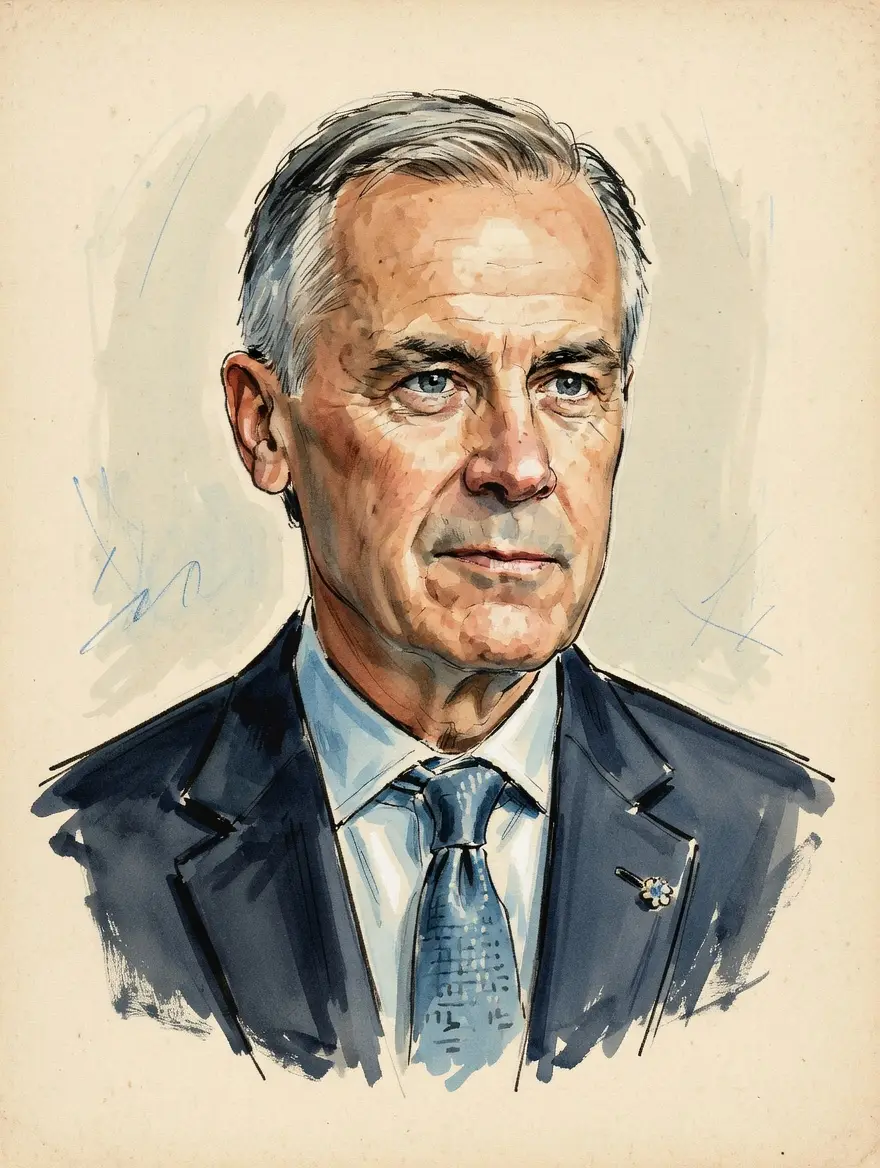
Mark Carney on Oil and Gas
TL;DR
Mark Carney advocates for managed, responsible energy transition while engaging with the oil and gas sector for short-term supply security.
Key Points
In early March 2026, a joint statement highlighted energy cooperation with India's Prime Minister Modi.
There were reports in late 2025 that Canada dropped an emissions cap for the oil and gas sector in an agreement with Alberta.
He has faced calls from open letter signatories, like the Build Canada coalition, regarding energy infrastructure projects.
Summary
Mark Carney's approach to oil and gas centers on a pragmatic balance between immediate energy security needs and long-term climate commitments. He has been noted for seeking deeper energy ties with nations like Japan and India, suggesting a continued, albeit managed, role for fossil fuels in the short to medium term to ensure supply stability. This stance has been evidenced by joint statements regarding energy cooperation, implying a willingness to leverage existing resources while pursuing decarbonization goals.
This dual focus has drawn criticism from both sides: some observers suggest his actions on energy files, such as those regarding emissions caps, represent a significant backtracking on earlier climate pledges, while others in the industry push for scaling back regulations entirely. The evolving nature of his engagement suggests a policy position prioritizing economic stability and energy resilience, which necessitates continued, though perhaps more controlled, interaction with the oil and gas industry during the transition period.
Frequently Asked Questions
Mark Carney currently maintains a pragmatic stance toward oil and gas, balancing the need for energy security with climate transition goals. He has engaged internationally to deepen energy ties while navigating domestic pressures regarding emissions control in the sector. This approach suggests he views the industry as a necessary, though diminishing, component of the near-term energy mix.
Yes, his position appears to have shifted, leading to accusations of backtracking on climate commitments by some critics. This is evidenced by reports concerning the dropping of an emissions cap in a deal with an oil-producing province in late 2025. Furthermore, industry groups have reportedly pressed him to scale back existing climate rules.
Mark Carney has actively pursued deeper energy ties with major Asian economies, such as Japan, during his tenure. These engagements, involving joint statements on energy cooperation, indicate a focus on securing international energy supply chains. This suggests an acceptance of continued fossil fuel involvement necessary for immediate economic and security concerns.
Sources10
Japan and Canada Aim for Deeper Energy Ties During Carney Visit
Build Canada List Requests Carney
Build Canada Now: Open Letter to Mark Carney on Moving From Uncertainty to Prosperity
Joint Statement from Prime Minister Carney and Prime Minister Modi
Canada Drops Emissions Cap on Oil and Gas Sector in Agreement with Alberta
Carney Fails to Undo Trudeau’s Damaging Energy Policies
Japan, Canada seek deeper energy ties: Carney
Did someone say MOU? Reading between the lines of Mark Carney’s plan to build an oil pipeline from Alberta to the BC coast
Canadian Prime Minister Backs Oil Pipeline, Backtracking on Climate Commitments
Oil and gas firms press Carney to scale back climate rules as Canada weighs emissions plan update
* This is not an exhaustive list of sources.