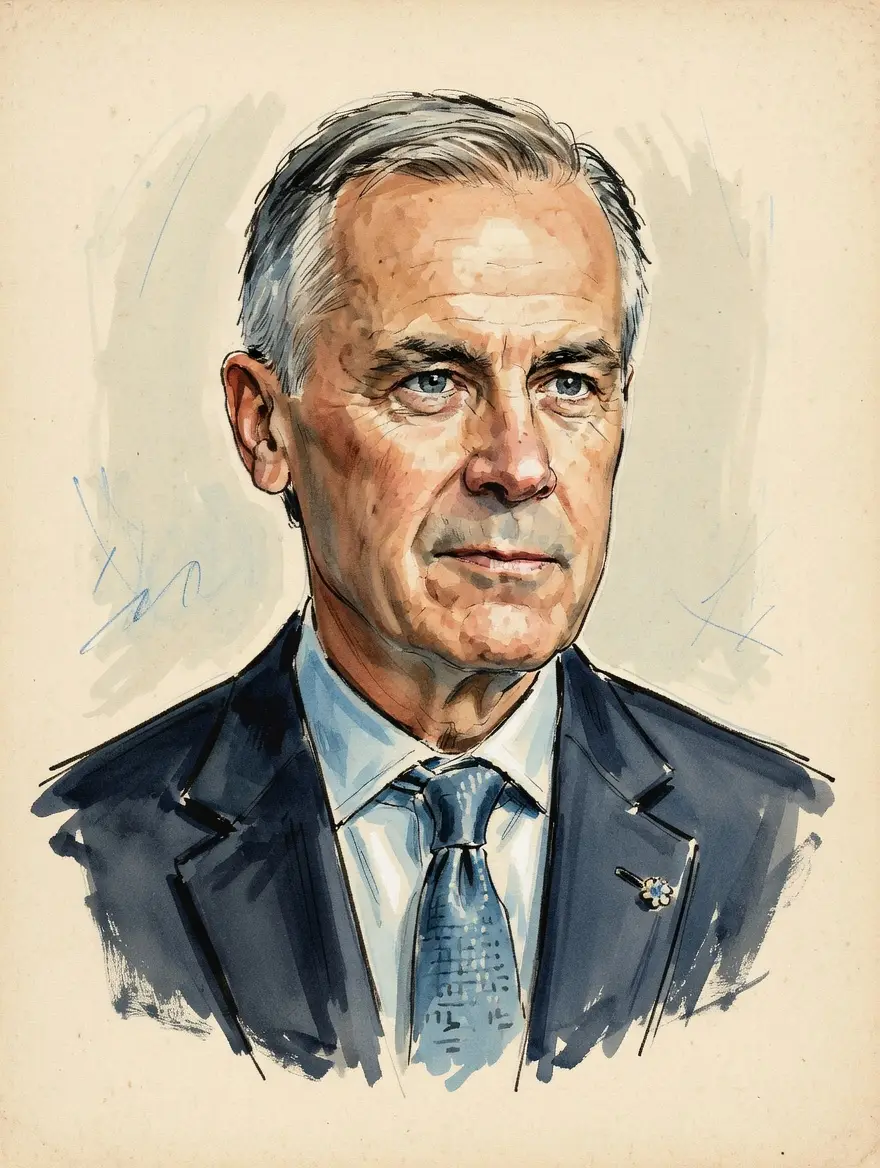
Mark Carney on Interest Rates
TL;DR
Mark Carney believes future interest rate cuts will likely be slower and shallower compared to previous easing cycles.
Key Points
As Bank of England Governor, he was instrumental in initiating the policy of forward guidance to publicly discuss future interest rates.
His view is that pending central bank rate cuts generally will be “slower and shallower” than in previous economic cycles.
His government's anticipated expansionary fiscal plan may indirectly reduce the perceived need for the Bank of Canada to implement deep rate cuts.
Summary
Mark Carney, having served as Governor of both the Bank of Canada and the Bank of England, has voiced a distinct view on the trajectory of potential future interest rate reductions. In his assessment of the current economic climate, he suggests that pending central bank rate cuts are expected to be "slower and shallower" than many market expectations anticipate. This position is contextualized by a belief that fundamental structural factors, such as greater inflation pressure and borrowing demand, will keep rates higher for longer in the mid-2020s than the ultra-low levels seen in the 2010s.
His tenure at the Bank of England was also marked by significant commentary on monetary policy communication, where he helped end the taboo against discussing future interest rates through the use of forward guidance. While that initial attempt at clear communication evolved due to economic shifts, it demonstrated a willingness to use forward guidance to influence longer-term borrowing costs. Furthermore, analysts suggest that as Prime Minister, his government’s expansionary fiscal policy, involving significant spending, could indirectly reduce the urgency for the Bank of Canada to implement deep or rapid rate cuts.
Frequently Asked Questions
Mark Carney has publicly stated that he expects any upcoming interest rate cuts by central banks to be “slower and shallower.” He believes that structural factors will keep rates elevated compared to the previous decade.
Yes, during his time at the Bank of England, he helped break the taboo surrounding open discussion of future interest rates by introducing forward guidance. This was a notable shift from his predecessor's 'one ball at a time' approach.
As Prime Minister, Carney's commitment to significant fiscal spending could indirectly influence the Bank of Canada's calculus. Increased government spending might reduce the urgency for the central bank to cut its policy rate as aggressively as it otherwise might have.