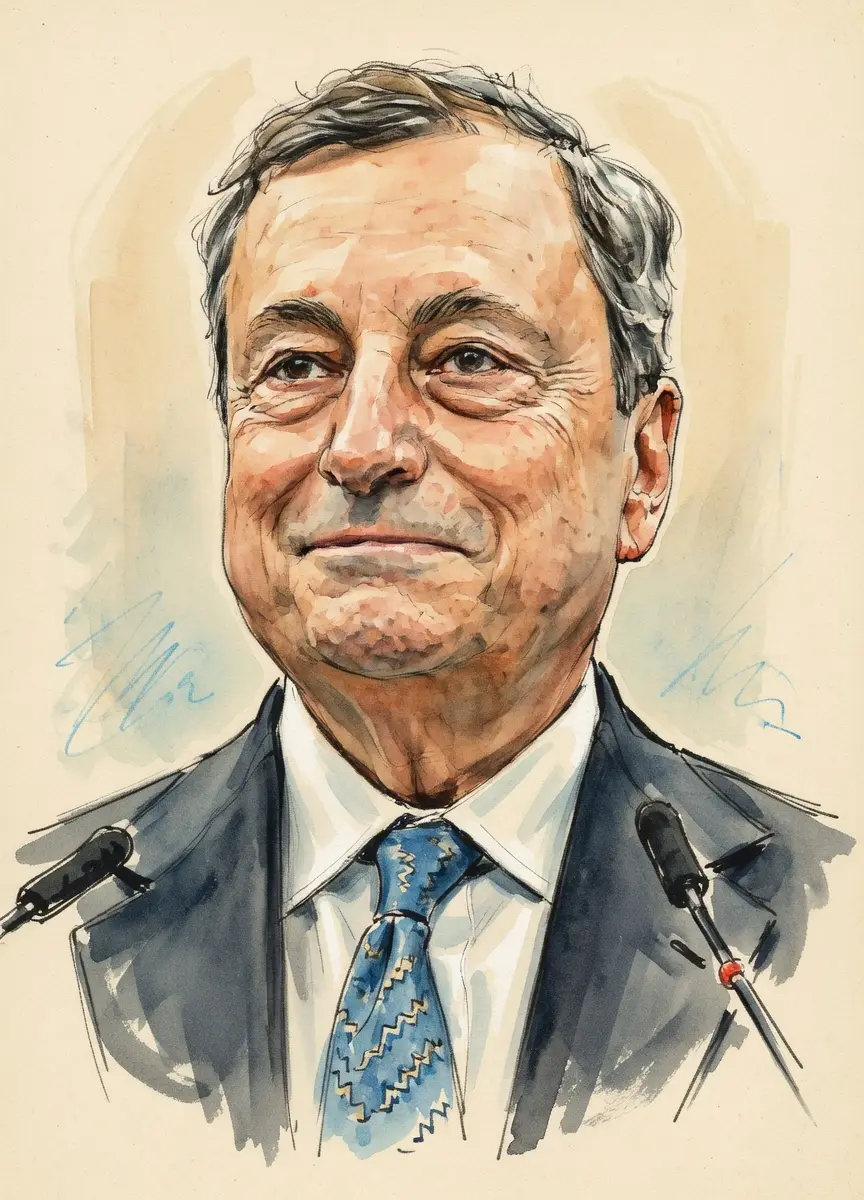
Mario Draghi on GDPR
TL;DR
Mario Draghi advocates for targeted reform and radical simplification of the GDPR to boost EU competitiveness and innovation.
Key Points
He called for a “radical simplification” of the primary law of the GDPR in a September 2025 speech.
His September 2024 report on competitiveness cited unclear overlaps between the GDPR and the AI Act as an example of regulatory burden.
His recommendations suggest a move toward a less precautionary driven approach to data protection to support European growth.
Summary
Mario Draghi’s core position on the General Data Protection Regulation is a call for its simplification to foster European competitiveness and innovation, a stance detailed in his September 2024 report requested by the European Commission President. He argues that excessive regulatory burden, including potential overlaps between the GDPR and newer legislation like the AI Act, hinders the ease of doing business and causes EU companies to fall behind international rivals. In a high-level speech in September 2025, he specifically denounced "heavy gold-plating" by Member States and demanded a “radical simplification” of the primary GDPR law.
While his position is seen as endorsing a more pro-innovation regulatory environment, critics note he has emphasized economic efficiency over the GDPR's core function of protecting fundamental rights, failing to anchor his critique in European scholarship that highlights the regulation’s rights-based foundation. The Commission has subsequently pursued changes, such as the Omnibus IV simplification package which offered modest relief from record-keeping duties for smaller entities, echoing Draghi's push for less burden, although experts caution against radical changes that risk undermining legal certainty.
Key Quotes
the EU's regulatory stance towards tech companies hampers innovation
Frequently Asked Questions
Mario Draghi strongly advocates for targeted reform and a radical simplification of the GDPR. He believes this is necessary to alleviate excessive regulatory burdens that he argues are hindering European innovation and competitiveness against global rivals.
The former Central Bank President suggested simplifying the primary law and moving towards a less precautionary approach. His analysis pointed to issues like inconsistent Member State implementation and fragmentation across the EU's digital rulebook.
Yes, his emphasis on simplification has drawn criticism for prioritizing economic efficiency over the GDPR's core purpose of upholding fundamental rights. Some commentators note he failed to mention the regulation's link to the EU Charter of Fundamental Rights.
Sources7
The Draghi Dilemma: The Right and the Wrong Way to Undertake GDPR Reform
Five takeaways for tech from Draghi’s speech
Simplifying EU digital laws for competitiveness | Epthinktank
Simplifying EU digital laws for competitiveness
EU Set the Global Standard on Privacy and AI. Now It's Pulling Back
Reforming the GDPR for tomorrow's technologies: Why Europe needs targeted GDPR reform
Band-Aids on Bureaucracy: Why GDPR Reform Isn't Enough
* This is not an exhaustive list of sources.