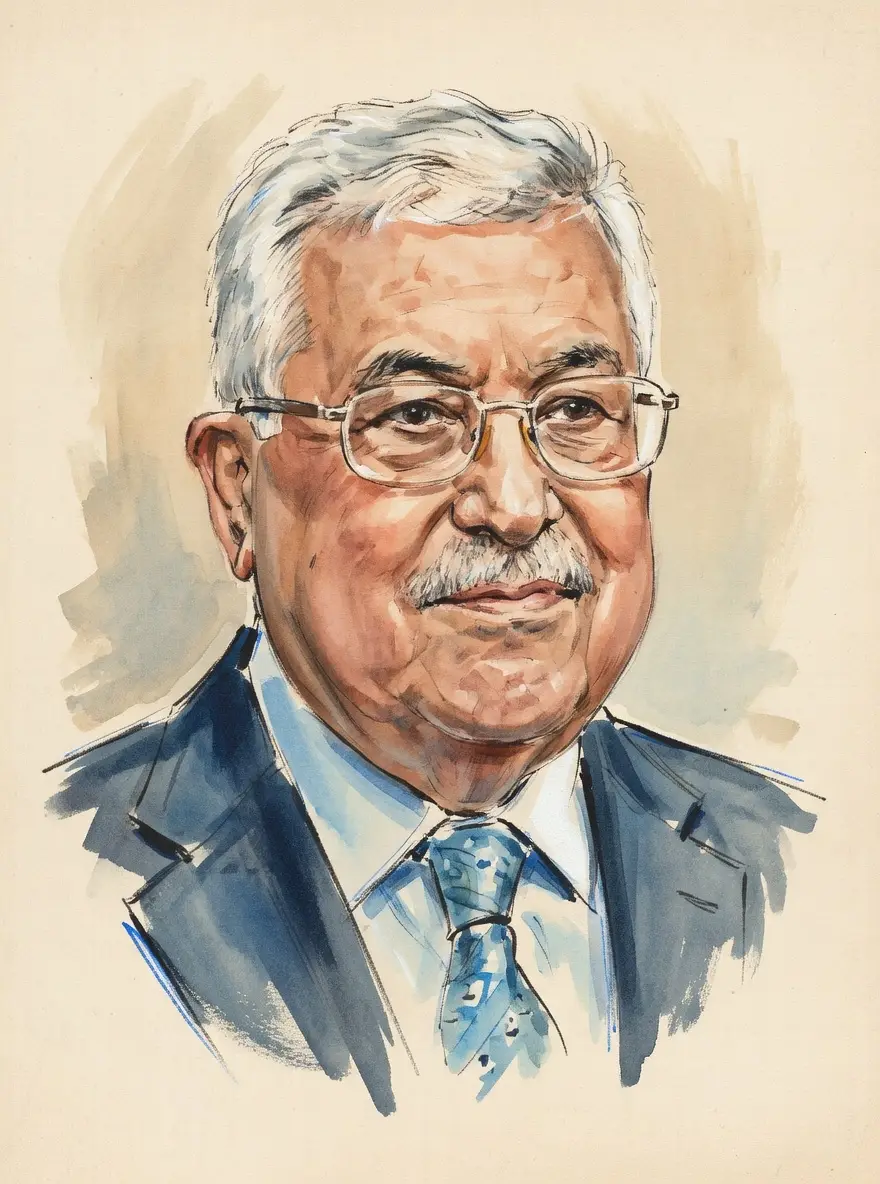
Mahmoud Abbas on Barack Obama
TL;DR
Mahmoud Abbas viewed Barack Obama as an ally in the two-state solution but grew frustrated by perceived insufficient pressure on Israel.
Key Points
The president affirmed his commitment to a two-state solution based on 1967 lines with East Jerusalem as the Palestinian capital during a March 21, 2013, press conference.
Abbas told Obama on the phone following his 2012 re-election that he intended to pursue a UN non-member state upgrade despite US opposition.
Abbas reportedly rejected Obama's framework in March 2014 by saying 'no' to recognizing a 'Jewish Israel,' abandoning the 'right of return,' or committing to an 'end of conflict'.
Summary
Mahmoud Abbas, the Palestinian President, engaged with Barack Obama primarily through the lens of achieving a lasting peace based on the 1967 borders with East Jerusalem as the capital. During joint appearances, Abbas thanked the president for US support and reaffirmed the Palestinian commitment to a diplomatic solution, which he stressed required good faith and respect for international legitimacy, including halting settlement activity. Abbas asserted that the Palestinians had met their obligations under frameworks like the Road Map, while expecting the US to compel Israel to meet theirs, suggesting a shared goal despite fundamental disagreements on key issues like settlements and the right of return.
The relationship grew strained, however, as the peace process stalled, leading to public friction. Abbas reportedly defied the president by pursuing a United Nations status upgrade despite US objections, viewing the move as necessary due to continued Israeli settlement construction. Furthermore, Abbas was later reported to have delivered "three no's" to the US president regarding core peace tenets, specifically refusing to recognize a 'Jewish Israel,' abandon the 'right of return,' or commit to an 'end of conflict,' indicating a breaking point in negotiations where Abbas felt the US approach was unbalanced. Later, Abbas even took a direct shot at Obama's administration for failing to secure necessary concessions from Israel concerning a settlement freeze.
Frequently Asked Questions
Mahmoud Abbas generally viewed Barack Obama as a partner committed to a two-state solution, frequently thanking him for US political and economic support. However, the sentiment became mixed as Abbas grew frustrated over the perceived lack of US pressure on Israel regarding settlements and core peace issues.
The two leaders agreed on the outline of a peace deal involving a territorial compromise based on 1967 lines with agreed swaps. Disagreements persisted, however, notably over the Palestinian demand for a full 'right of return' and Israel's status as a 'Jewish state.'
Tension arose from the continued expansion of Israeli settlements in the West Bank, which Abbas considered illegal and a hurdle to peace. This led to Abbas defying US wishes by pursuing a UN status upgrade, signaling his frustration with the diplomatic track.
Sources8
Abbas Takes Shot At Obama, Prevented Intifada
Press Conference with Palestinian President Mahmoud Abbas and US President Barack Obama - March 21, 2013
TV report: Abbas said 'no' to Obama on 3 core peace issues
Remarks Prior to a Meeting With President Mahmoud Abbas of the Palestinian Authority
Mahmoud Abbas tells Barack Obama he'll seek Palestinian UN upgrade, defying US
Presidents Abbas, Obama Agree to Focus on All Final Status Issues
Obama's record on Israeli-Palestinian peace: The president's disquieting silence
Barack Obama’s Got A Rosy Take On Palestinian Leader Mahmoud Abbas
* This is not an exhaustive list of sources.