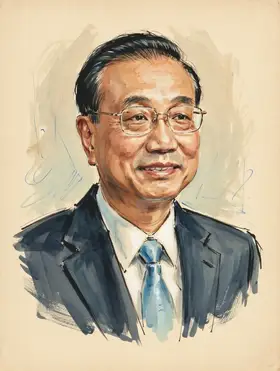
Li Keqiang on Joe Biden
TL;DR
Li Keqiang has engaged with Joe Biden primarily through multilateral summits focused on regional stability and cooperation.
Key Points
Li Keqiang attended the 17th East Asia Summit in November 2022 alongside President Joe Biden in Phnom Penh, Cambodia.
During the 2022 EAS, he stressed the need to avoid decoupling or moving toward confrontation between regional countries.
Earlier interactions, when Biden was Vice President in 2013, involved meetings in Beijing focused on economic and diplomatic engagement.
Summary
Li Keqiang's documented interactions with Joe Biden, particularly in his capacity as Premier, have generally occurred within the framework of large-scale regional diplomatic gatherings, such as the East Asia Summit (EAS). In these forums, the focus has been on shared interests like regional peace, economic stability, and tackling global risks, rather than bilateral disputes.
During meetings where the two leaders were present, Li Keqiang emphasized maintaining strategic dialogue, deepening mutually beneficial cooperation, and upholding the ASEAN-led regional architecture. His approach appears to prioritize keeping communication channels open to avoid confrontation, which aligns with China's stated goal of maintaining a peaceful external environment for its own development.
Frequently Asked Questions
Li Keqiang's official interactions with Joe Biden, as documented, have been largely characterized by pragmatic engagement within multilateral settings. The focus has been on advancing shared regional goals rather than expressing personal sentiment towards the US President.
Li Keqiang has been present in meetings where Joe Biden was also in attendance at events like the East Asia Summit, such as the one in November 2022. There are also records of meetings from December 2013 when Biden was the U.S. Vice President.
At the East Asia Summit where the U.S. President was present, Li Keqiang advocated for constructive interactions and maintaining strategic dialogue to increase mutual trust. He specifically called for avoiding decoupling and confrontation in the region.
Sources6
Biden and Li break US-China diplomatic ice at East Asia ...
Premier Li Keqiang Attends the 17th East Asia Summit
Biden says won't veer into conflict with China, as first ...
China Premier Li emphasised 'irresponsibility' of nuclear ...
Biden and Li Keqiang Speak at East Asia Summit- SCMP
55 Photos & High Res Pictures
* This is not an exhaustive list of sources.