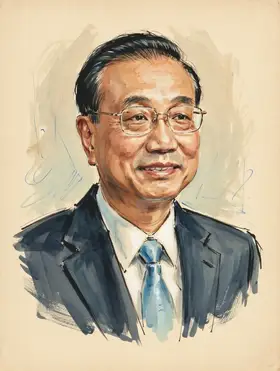
Li Keqiang
- Known for
- Premier of China, Likonomics, Communist Youth League
- Born in
- Hefei, China
- Education
- Doctor of Philosophy in Economics, Peking University
Li Keqiang was a pragmatic, reform-minded economist and leading figure of the Tuanpai faction within the CCP. Serving as Premier of China from 2013 to 2023, he was known for championing technocratic solutions and economic modernization while working under Xi Jinping.
Signature Positions
Li's policy focus centered on shifting China’s economic model and tackling bureaucratic inefficiency:
- Economic Policy: Promoted "Likonomics", a three-pronged approach involving debt reduction, ending massive stimulus, and structural reforms to boost domestic consumption.
- Entrepreneurship: Championed the policy of mass entrepreneurship and innovation to create new economic growth avenues like e-commerce.
- Bureaucracy: Fiercely criticized unnecessary government red tape and absurd documentation requirements, citing viral anecdotes of public service absurdity.
- Strategic Initiatives: Initiated the Made in China 2025 plan and pushed for the establishment of the Shanghai Free-Trade Zone.
- Economic Indicator: Developed the "Li Keqiang index", an unconventional metric using electricity consumption, railway volume, and loans to gauge economic health over official GDP figures.
Notable Tensions
Li's tenure was marked by increasing friction with the top leadership:
- Power Centralization: Speculation grew that his power as Premier was "hollowed out" as Xi Jinping consolidated authority, particularly after the Third Plenum of 2013 reforms were drafted outside his purview.
- Economic Priorities: While he advocated for structural reforms and stability, his administration faced pressure amid global economic shifts, leading to debates over the necessity of stimulus measures.
- Political Factions: As an ally of former leader Hu Jintao, his position was seen as increasingly marginalized compared to the rising power of Xi's faction.
Li Keqiang, with his background in law and economics, represented the technocratic wing of China's leadership, educated at Peking University and rising through the Communist Youth League. His passing in 2023, shortly after leaving office, concluded a career defined by economic pragmatism and a tenure increasingly constrained by the shifting power dynamics within the CCP.