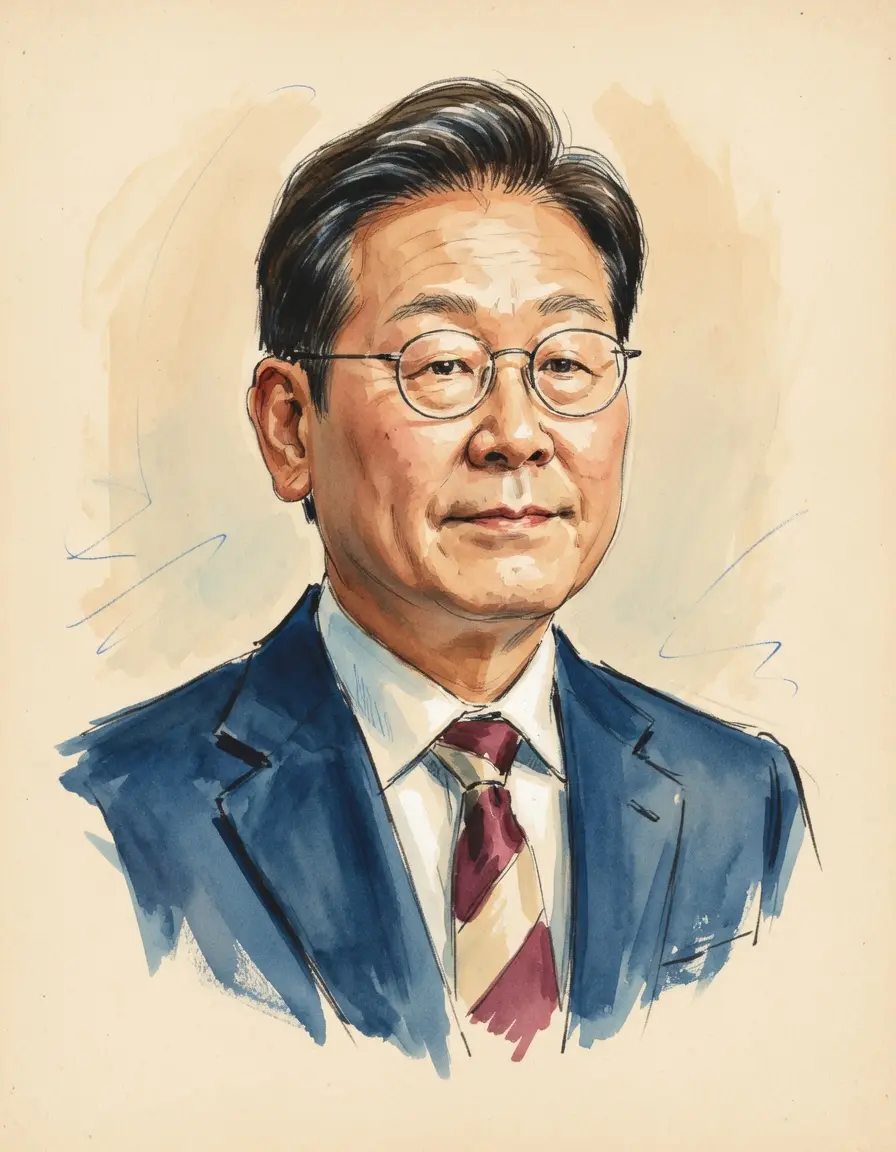
Lee Jae Myung on Ukraine
TL;DR
Lee Jae-myung's foreign policy emphasizes pragmatic diplomacy, balancing US alliance needs with national economic interests amid the conflict.
Key Points
His administration's pragmatic diplomacy seeks to balance the U.S.-Korea alliance with pragmatic management of relations with China and Russia.
He has been associated with calls for dialogue and engagement with North Korea, contrasting with a more hawkish stance by his predecessor.
A political opponent asserted that Lee initially framed concern over the invasion primarily in terms of its negative effect on the Korean stock market.
Summary
Lee Jae-myung’s core foreign policy, termed "pragmatic diplomacy," centers on maximizing South Korea's national interest by navigating geopolitical shifts with calculated flexibility rather than strict adherence to one major power. This approach seeks to strengthen the U.S.-Korea alliance while simultaneously managing relations with China and Russia from a practical, interest-based perspective, aiming for strategic autonomy. Early in his career, he held controversial views, such as labeling USFK as occupation forces, which contrasts with his administration's current pledge to bolster cooperation among liberal democracies.
This diplomatic recalibration positions his administration to handle the global economic fallout from the war, focusing on how the conflict impacts South Korean supply chains and markets, which he views as a direct threat to national stability. While one political opponent argued that Lee downplayed the conflict's severity by focusing on economics, his supporters counter that this is a necessary focus given South Korea’s unique security predicament near North Korea. His administration is expected to carefully calibrate its stance, influenced by internal party dynamics favoring both strong alliance commitment and greater autonomy in foreign relations.
Frequently Asked Questions
Lee Jae-myung's position frames the Ukraine war primarily through the lens of South Korea's national interest and security. He advocates for a pragmatic foreign policy that maintains the U.S. alliance while seeking balanced engagement with other major powers.
Yes, Lee Jae-myung faced criticism, particularly from political opponents, over early comments where he seemed to prioritize the economic impact on South Korea over the conflict itself. Contextual explanations, however, suggested he was highlighting global interdependence.
His approach to the Ukraine conflict is linked to his strategy concerning North Korea, favoring dialogue to ease tensions on the peninsula. He seeks to avoid unnecessary provocation that could destabilize the region while North Korea strengthens ties with Russia.
Sources5
Lee Jae-myung's Pragmatic Diplomacy: Between Alliance and Autonomy
It has been repeatedly argued that President Lee Jae Myung should send a special envoy directly to r..
Can Seoul's soft diplomacy break the Russia–North Korea alliance?
N Korea's Kim hails 'ever-victorious' army's role in war against Ukraine
Lee Jae Myung "Ukraine is a country in the other side of earth" and that whats going on "isn't relevant to us"
* This is not an exhaustive list of sources.