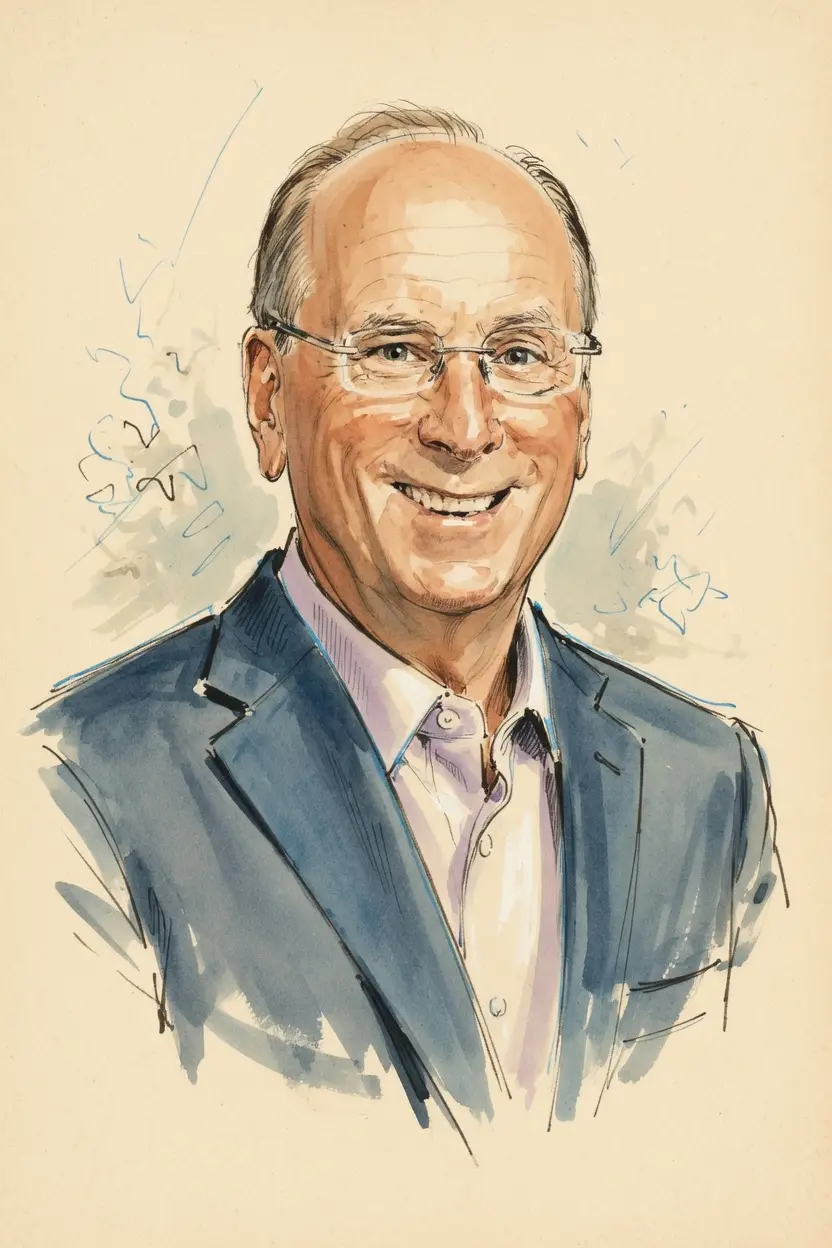
Larry Fink on Tokenization
TL;DR
Larry Fink views asset tokenization as the next major evolution in market infrastructure with the potential to transform finance by increasing speed and security.
Key Points
He argues that digitizing all assets and enabling seamless transitions from cash or stablecoins in digital wallets to stocks or bonds would significantly reduce friction and transaction costs.
He stated that tokenization is transforming finance by lowering cost and complexity, giving more investors more ways to diversify.
Fink emphasized the need for tokenized markets to operate on a single blockchain to enhance liquidity and compliance, though he did not specify which one.
Summary
Larry Fink views asset tokenization as the next major evolution in market infrastructure, capable of transforming finance by making transactions instantaneous and more secure than existing decades-old systems. He believes tokenization, which involves recording ownership on digital ledgers, can make almost any asset, from real estate to corporate debt, exist as a single, verifiable digital record. This process offers two broad benefits: settling transactions instantaneously, reducing counterparty risk, and replacing paper-based, manual processes in private markets with code to lower trading costs and complexity.
He notes that this technology can turn large, illiquid holdings into smaller, more accessible units, thereby broadening market participation beyond large institutions. While acknowledging that regulation and investor safeguards remain essential, Fink likens tokenization's current stage to the internet in 1996, predicting enormous growth over the coming decades. He asserts that tokenization will not replace the current financial system soon, but rather serve as a bridge, connecting traditional institutions with digital-first innovators, emphasizing the need for regulators to update existing rules safely.
Key Quotes
Fink suggested that digitizing all assets and enabling seamless transitions from cash or stablecoins in digital wallets to stocks or bonds could significantly reduce friction and transaction costs.
BlackRock's Larry Fink Says Tokenization Needs One Blockchain
Frequently Asked Questions
Larry Fink is a strong proponent of asset tokenization, viewing it as the next significant evolution in market infrastructure. He believes it can revolutionize finance by dramatically increasing transaction speed and security across asset classes like stocks, bonds, and real estate. Fink advocates for the necessary regulatory updates to support this transition safely.
The provided context suggests a consistent and increasingly enthusiastic view, rather than a change in stance. He noted that a few years prior, BlackRock believed private permissioned blockchains would dominate, but they now acknowledge the superiority of public blockchains for the ecosystem. This represents an evolution in the preferred platform for tokenization, not opposition to tokenization itself.
Larry Fink has stated that tokenized markets need to operate on a single blockchain to maximize liquidity and compliance benefits. He views this convergence as a bridge between traditional institutions and digital innovators. The task for policymakers, in his view, is to update existing regulations quickly to allow these two sides to work together.
Sources5
Larry Fink and Rob Goldstein on how tokenisation could transform finance
BlackRock CEO Advocates for Asset Tokenization to Reduce Costs | Binance News
BlackRock's Larry Fink Says Tokenization Needs One Blockchain : r/CryptoCurrency
BlackRock CEO Larry Fink declares stock, bond, real estate trading market coming
Tokenization: Stock, bond, real estate trading market coming, BlackRock CEO Larry Fink says
* This is not an exhaustive list of sources.