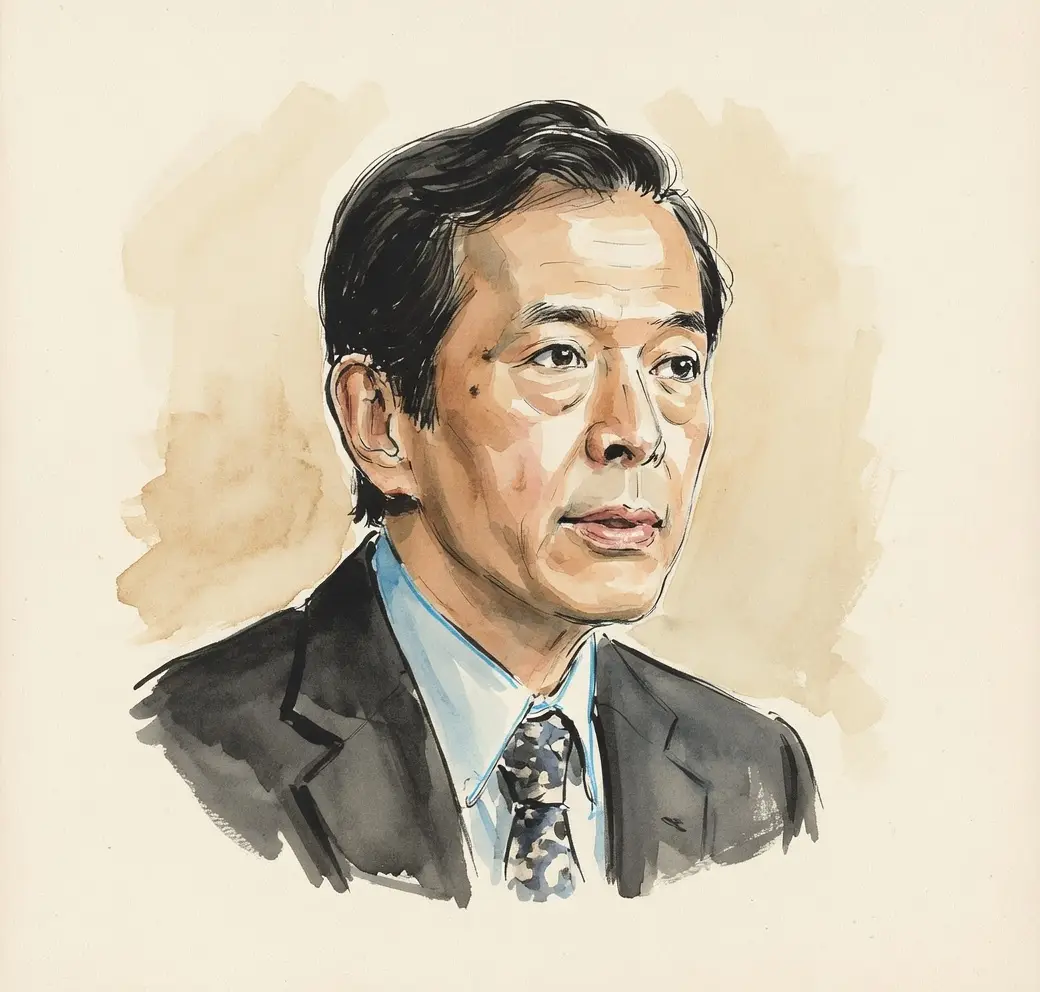
Kazuo Ueda on Japan
TL;DR
Kazuo Ueda guides Japan's monetary policy by continuing rate hikes while carefully assessing global risks like Middle East conflict.
Key Points
The BOJ under Kazuo Ueda decided to end its zero-interest-rate policy on March 19, 2024.
He has warned that the Middle East conflict poses a risk that could significantly hit Japan’s economy.
Ueda previously served as a professor emeritus at the University of Tokyo before taking the BOJ governorship in April 2023.
Summary
Kazuo Ueda's core position regarding Japan centers on his role as the 32nd Governor of the Bank of Japan (BOJ), where he guides the nation's monetary policy. A significant action under his tenure was the decision on March 19, 2024, to end the long-standing zero-interest-rate policy and yield curve control, marking a historic shift away from prolonged deflationary measures. He remains committed to the process of normalizing policy, vowing to keep raising rates, although this stance is tempered by pragmatic considerations regarding external shocks.
This policy evolution and his current operational stance are heavily influenced by external factors impacting Japan's economy. For instance, the Governor has publicly warned that the Middle East conflict, particularly involving Iran, could significantly affect Japan’s economy, thereby factoring geopolitical instability into future decisions on the policy path. His approach integrates an academic understanding of macroeconomics with the immediate necessities of managing domestic inflation and international economic headwinds, as demonstrated in his speeches to regional business leaders.
Key Quotes
It is my great pleasure to have the opportunity today to exchange views with a distinguished gathering of business leaders in the Kansai region.
Frequently Asked Questions
Kazuo Ueda, as Governor of the Bank of Japan, has taken a significant step by ending the zero-interest-rate policy. He is committed to a path of continued rate hikes, signaling a normalization of monetary settings for Japan. However, he remains attentive to external economic shocks when making policy decisions.
Kazuo Ueda has recently maintained a firm stance on continuing to raise interest rates despite global pressures. His position evolved from the previous long-term ultra-easy policy when the BOJ moved away from negative rates. This shift reflects an assessment that Japan is finally exiting its long deflationary period.
Kazuo Ueda has explicitly flagged geopolitical instability, such as the conflict in the Middle East, as a major external risk. He stated that such tensions could have a significant negative impact on Japan's economic outlook. His comments indicate that external factors are a key consideration for the central bank's policy outlook.
Sources8
Bank of Japan chief vows to keep raising rates with eye on Middle East conflict
Kazuo Ueda - Wikipedia
Bank of Japan Gov. Kazuo Ueda has warned the Middle East conflict could have a ma...
BOJ Governor Sticks to Rate Hike Stance Amid Iran Tensions
Ueda Says Iran Conflict Could Hit Japan's Economy Significantly
Kazuo Ueda: Japan's economy and monetary policy - BIS
Kyodo News Article Placeholder
Bank Of Japan’s 2026 Just Got A Whole Lot Harder
* This is not an exhaustive list of sources.