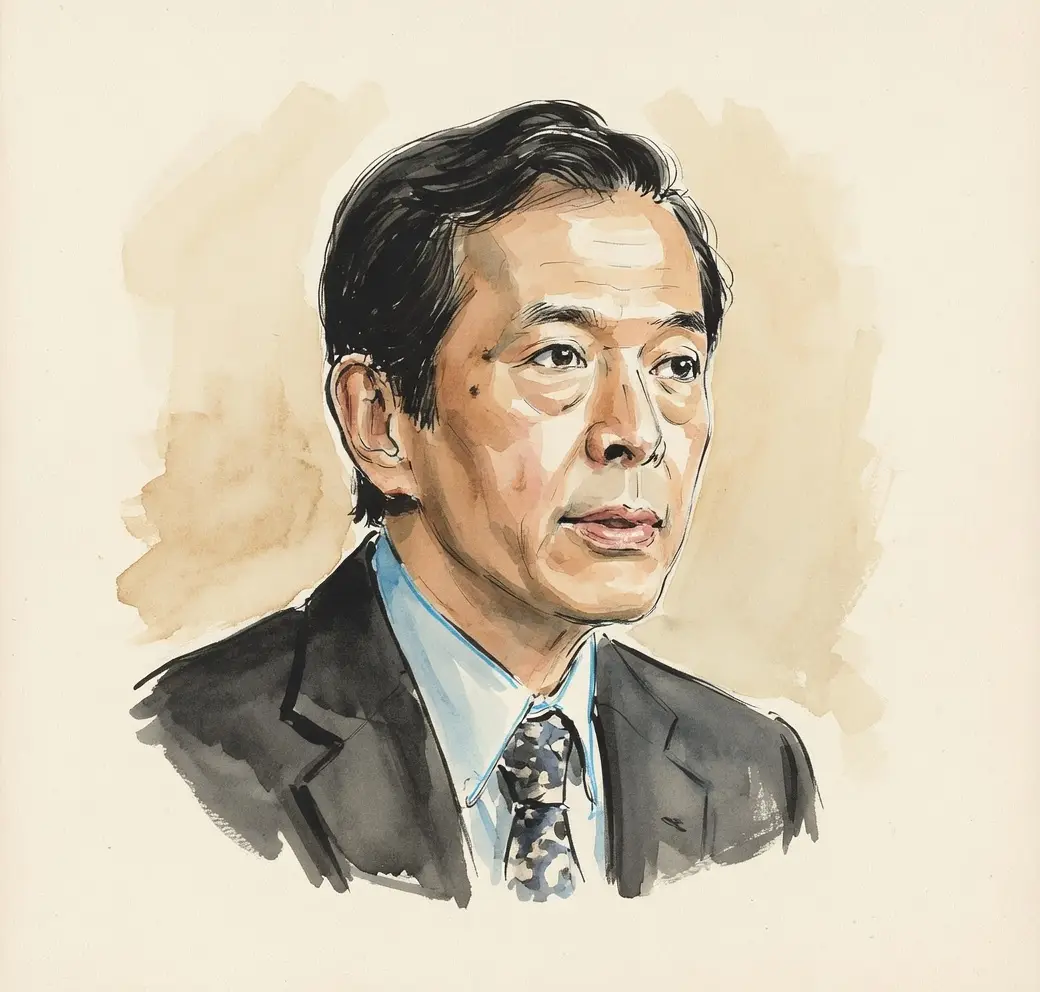
Kazuo Ueda on Bank of Japan
TL;DR
Kazuo Ueda maintains a cautious stance, emphasizing policy stability while closely monitoring global economic risks like Middle East tensions.
Key Points
Under his leadership, the BOJ decided in March 2024 to end its long-standing zero-interest-rate policy.
He stated in March 2026 that the Middle East conflict could significantly affect Japan’s economy through energy prices.
Ueda maintains that wages must rise significantly for Japan to sustainably achieve its 2% inflation target.
Summary
Kazuo Ueda, as Governor of the Bank of Japan (BOJ), has signaled a commitment to maintaining the central bank's current monetary policy stance, provided economic and price outlooks materialize as projected. His position emphasizes careful observation of external shocks, particularly those stemming from the Middle East conflict, which he warned could significantly impact Japan’s economy through energy prices and financial markets. This cautious approach suggests little immediate appetite to alter the benchmark rate, despite a long-term view that a rate increase is appropriate if underlying conditions support it.
His tenure is marked by the historic decision in March 2024 to end the zero-interest-rate policy, marking a significant shift after years of battling deflation. However, external volatility, such as surging oil prices due to geopolitical events, forces him to temper the pace of policy normalization. Ueda reiterated that sustained wage growth is a necessary companion to achieve the BOJ's 2% inflation target stably, even while acknowledging the central bank's limited direct influence over real wage increases.
Key Quotes
“Depending on how the situation unfolds going forward, it could have a significant impact on the global economy and Japan's economy through channels such as crude oil and other energy prices, as well as international financial markets,”
Frequently Asked Questions
Kazuo Ueda currently favors maintaining a steady monetary policy outlook, contingent upon the realization of economic forecasts. However, he has stressed the need to closely monitor external risks, such as geopolitical tensions, before making any definitive moves. The path to policy normalization remains subject to this careful assessment of domestic and global conditions.
Yes, Kazuo Ueda oversaw a major policy shift in March 2024 by ending the zero-interest-rate policy, ending a prolonged deflationary era. Despite this major change, his current public statements suggest a measured, cautious approach to further immediate rate hikes due to current global uncertainty.
Kazuo Ueda has stated that achieving the 2% inflation target in a stable and sustainable manner requires significant wage gains. He acknowledges that the BOJ cannot exert strong influence over real wage growth, which is largely determined by labor productivity.