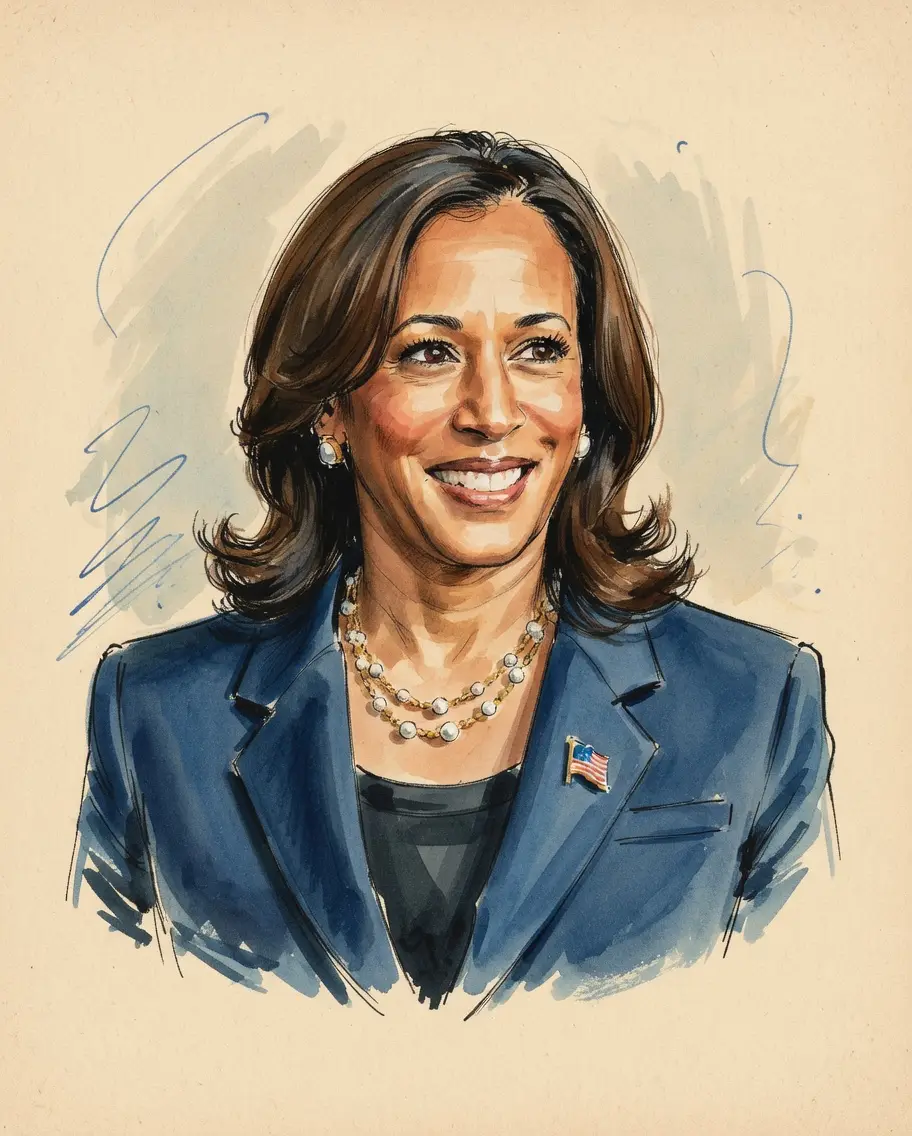
Kamala Harris on Foreign Policy
TL;DR
Kamala Harris's foreign policy is expected to largely continue the incumbent administration's alliance-focused, traditionalist approach, with some potential nuance.
Key Points
She reaffirmed the U.S. commitment to NATO, calling it the “greatest military alliance the world has ever known,” in 2024.
Harris voted against reauthorizing parts of the Foreign Intelligence Surveillance Act in the Senate due to concerns over warrantless access to U.S. citizens' information.
She represented the United States at the Ukraine peace summit in June 2024, pledging close to $2 billion in additional aid.
Summary
Vice President Kamala Harris has an extensive foreign policy resume based on her tenure as vice president, having visited over twenty countries and met with numerous foreign leaders. Her public remarks suggest she will primarily adhere to the current administration's established strategy, which centers on strengthening multilateral alliances like NATO and maintaining a competitive but engaged posture toward China. While her 2020 campaign platform was within the Democratic mainstream, her subsequent role has seen her enforce existing policies, such as strong support for Ukraine against Russian aggression and cooperation with Indo-Pacific allies. She has also played a role in developing U.S. policy on issues like artificial intelligence and space strategy, chairing the White House National Space Council.
Despite the general expectation of continuity, analysts suggest Harris may possess a less predictable or more enigmatic approach than her predecessor in certain areas. Notably, she has publicly shown differences on the Israel-Hamas war, advocating for a tougher line on Israeli conduct and recognizing the humanitarian toll on Palestinian civilians more explicitly than the sitting president. Her background, including her identity as a daughter of immigrants, may lead to a foreign policy perspective that views global responsibilities as one among many strategic priorities, potentially giving equal weight to human rights and climate change alongside traditional security concerns. Her first major policy signals will likely come from the national security team she selects should she be elected.
Frequently Asked Questions
Kamala Harris is expected to focus on continuing the incumbent administration's foreign policy, which emphasizes strengthening alliances like NATO and managing great-power competition, especially with China. Her experience as vice president has given her significant exposure to global affairs and diplomatic engagements.
Publicly, Harris has largely supported the existing administration's line on major foreign policy issues, making a clear personal doctrine difficult to discern. However, she has shown a more forceful public stance regarding the humanitarian situation in the Gaza war compared to the sitting president.
The expectation is that she would maintain the current confrontational stance, offering continued backing for Ukraine’s defense against Russian aggression for “as long as it takes.” A reset with Russia is considered out of the question under her expected policy continuation.
Sources9
Kamala Harris’s Foreign Policy Positions - CFR.org
Kamala Harris: Similar but Not the Same as Biden
Kamala Harris would bring greater foreign policy experience than most new US presidents
Kamala Harris's Foreign Policy Positions
Kamala Harris foreign policy experience: Where she stands
A Guide to Harris' Foreign Policy
Kamala Harris and the future of US foreign policy
In Search of a Harris Foreign Policy
Kamala Harris is the less predictable, more enigmatic candidate on US foreign policy
* This is not an exhaustive list of sources.