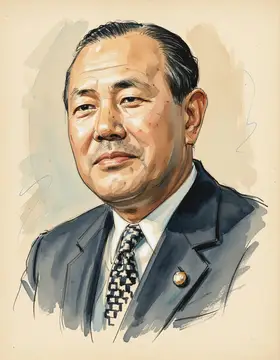
Kakuei Tanaka on Indonesia
TL;DR
Kakuei Tanaka's 1974 visit to Indonesia was marked by significant anti-Japanese protests that led to riots, despite economic cooperation goals.
Key Points
His state visit to Indonesia in January 1974 concluded a five-nation Southeast Asia tour aimed at strengthening bilateral relations and cooperation.
The visit was overshadowed by the Malari incident, where local students staged riots protesting Japanese economic dominance, corruption, and the methods of Japanese businesses.
During his brief time in Jakarta, he discussed stable oil supplies and confirmed Japanese support for major projects, including a $500 million aluminum smelter development.
Summary
Kakuei Tanaka, as Prime Minister of Japan, made an official visit to Indonesia in January 1974 as the last stop on an eleven-day tour of five Southeast Asian nations. The core purpose of his visit was to exchange frank opinions on international matters and promote friendship and cooperation, particularly emphasizing economic interdependence between the two nations. Japan viewed Indonesia as a principal supplier of resources, especially oil and liquefied natural gas, making the stability of this relationship strategically important for Japan's prosperity. During the visit, he committed to maintaining existing contracts for oil-related products like fertilizer and blessed two major Japanese development projects, a natural gas project and an aluminum smelter.
However, Tanaka's visit became infamous due to the eruption of widespread, violent anti-Japanese demonstrations in Jakarta, known as the Malari incident, which began during his stay. These protests reflected growing local grievances against Japan's sharply increased economic presence, the business methods of Japanese enterprises, and the perceived arrogance of Japanese residents. The violence quickly mushroomed into riots targeting Japanese-made goods and businesses, particularly those owned by overseas Chinese, resulting in multiple deaths and significant property damage, which ultimately caused the Prime Minister to depart early. In response to the unrest, the Indonesian government reaffirmed its commitment to economic cooperation while simultaneously promising to address the root causes of the resentment, including corruption and the role of foreign investment.
Key Quotes
“to erase the causes for such demonstrations,”
“Respect for the independence of those countries.
Frequently Asked Questions
When Kakuei Tanaka visited Indonesia in January 1974, his position was centered on strengthening economic ties and securing resource supplies, such as oil. He aimed to promote Japanese investment and cooperation between the two nations. However, his visit immediately highlighted a mixed sentiment, as it was met with significant public backlash.
Yes, Kakuei Tanaka's visit to Indonesia is historically significant precisely because it triggered the Malari incident, a period of major student demonstrations and riots in Jakarta. The unrest was fueled by anti-Japanese sentiment related to economic exploitation and the business practices of Japanese firms. Tanaka's presence served as the catalyst for this significant domestic political upheaval.
After departing Indonesia early due to the riots, Kakuei Tanaka stated that the Japanese must strive to erase the causes for such demonstrations. He also expressed that his greatest impression from the events was the need for a much greater cooperative effort between Japan and the Southeast Asian countries involved. The episode focused attention on Japan's challenges in the region beyond just trade.
Sources4
Prime Minister Tanaka's Visits to Various Countries
Malari incident - Wikipedia
ASIA: Hot Time for Tanaka in Indonesia
Managing Indonesia: Chapter 6
* This is not an exhaustive list of sources.