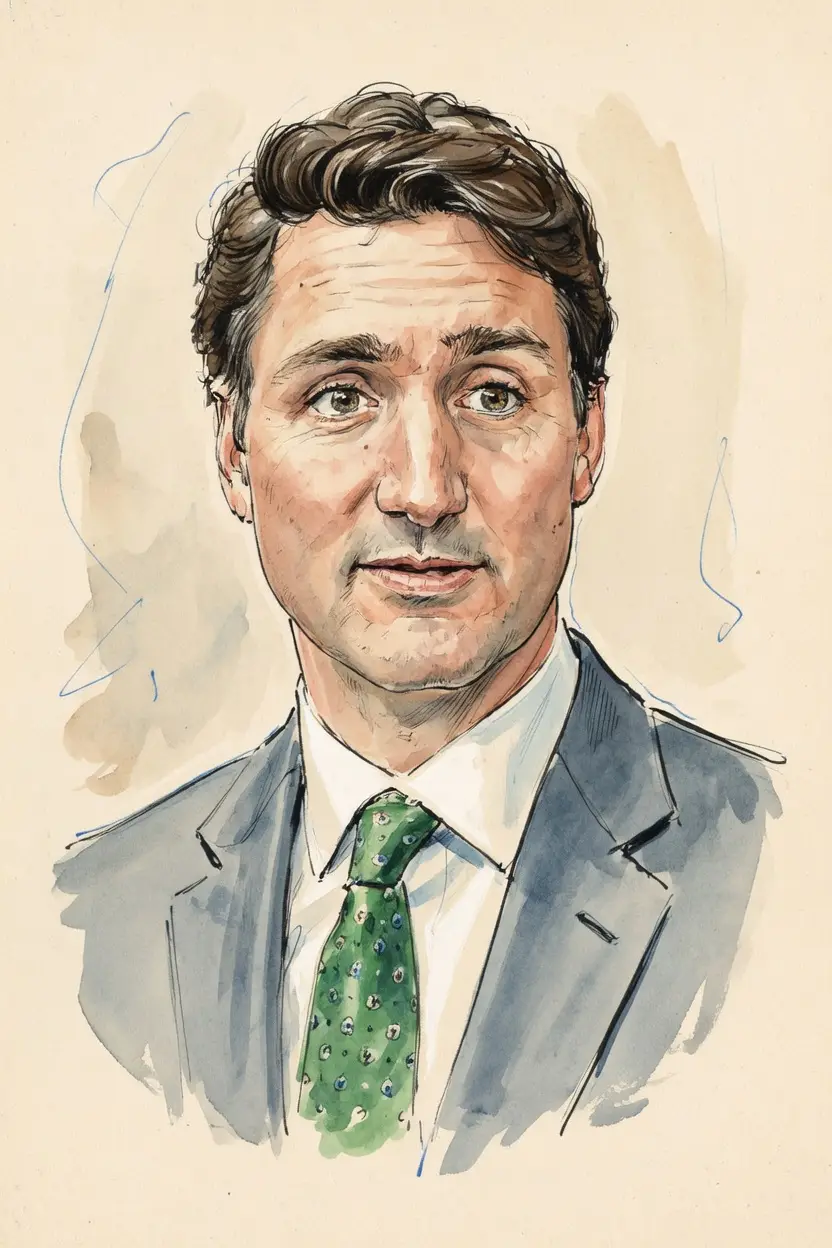
Justin Trudeau on Trade War
TL;DR
Justin Trudeau strongly condemns trade wars initiated by unilateral tariffs, labeling them damaging to international cooperation and the economy.
Key Points
He condemned the former US president for starting a trade war with Canada while appeasing Russia in 2018.
His government announced reciprocal tariffs on US goods following the imposition of US steel and aluminum duties.
He has consistently advocated for resolving trade disputes through dialogue and established international frameworks.
Summary
Justin Trudeau has taken a strong, vocal stance against trade wars initiated by unilateral tariffs, particularly those imposed by the former United States president. He has characterized such actions as a very dumb trade war, arguing they disrupt global supply chains and harm mutually beneficial economic relationships between nations. The Prime Minister's position is consistently framed around defending international rules-based trade systems, viewing protectionist measures as counterproductive escalations that hurt all involved parties.
This opposition has been a recurring theme, especially concerning disputes involving aluminum and steel duties imposed by the former US administration. He has framed the defense of Canadian industries and workers as essential while simultaneously advocating for de-escalation and dialogue to resolve differences. Despite the tensions, the underlying implication of his stance is that deep economic integration benefits Canada, suggesting that maintaining stable trade is paramount over retaliatory measures.
Key Quotes
Even though you're a very smart guy, this is a very dumb thing to do.
Frequently Asked Questions
Justin Trudeau is strongly opposed to trade wars, especially those sparked by unilateral tariff impositions, which he has described as deeply damaging. He views such conflicts as harmful to the established international rules-based trading system and the economies of the countries involved.
Yes, the Prime Minister's government implemented reciprocal tariffs on specific American goods in response to the former US administration imposing duties on Canadian steel and aluminum. This action was framed as a necessary defense of Canadian industry.
He asserts that trade wars are fundamentally counterproductive, stressing that protectionist measures disrupt stable supply chains and ultimately hurt workers and businesses on both sides of the border. He prioritizes maintaining open, predictable trade relationships.
Sources8
Trudeau slams Trump for starting 'very dumb trade war' with Canada while appeasing Russia's Putin
Trudeau says Trump 'begging' for a trade war
Trudeau reacts to Trump's tariff announcement
Trudeau calls Trump tariffs 'dumb' and an insult to veterans
Full text of Justin Trudeau's speech on US tariffs and trade
The Trump Paradox: How Trade Tensions May Strengthen Canada's Position in an Integrated Market
Trudeau blasts new Trump steel and aluminum tariffs as 'unacceptable'
Trudeau on Trade War (Curio Audio)
* This is not an exhaustive list of sources.