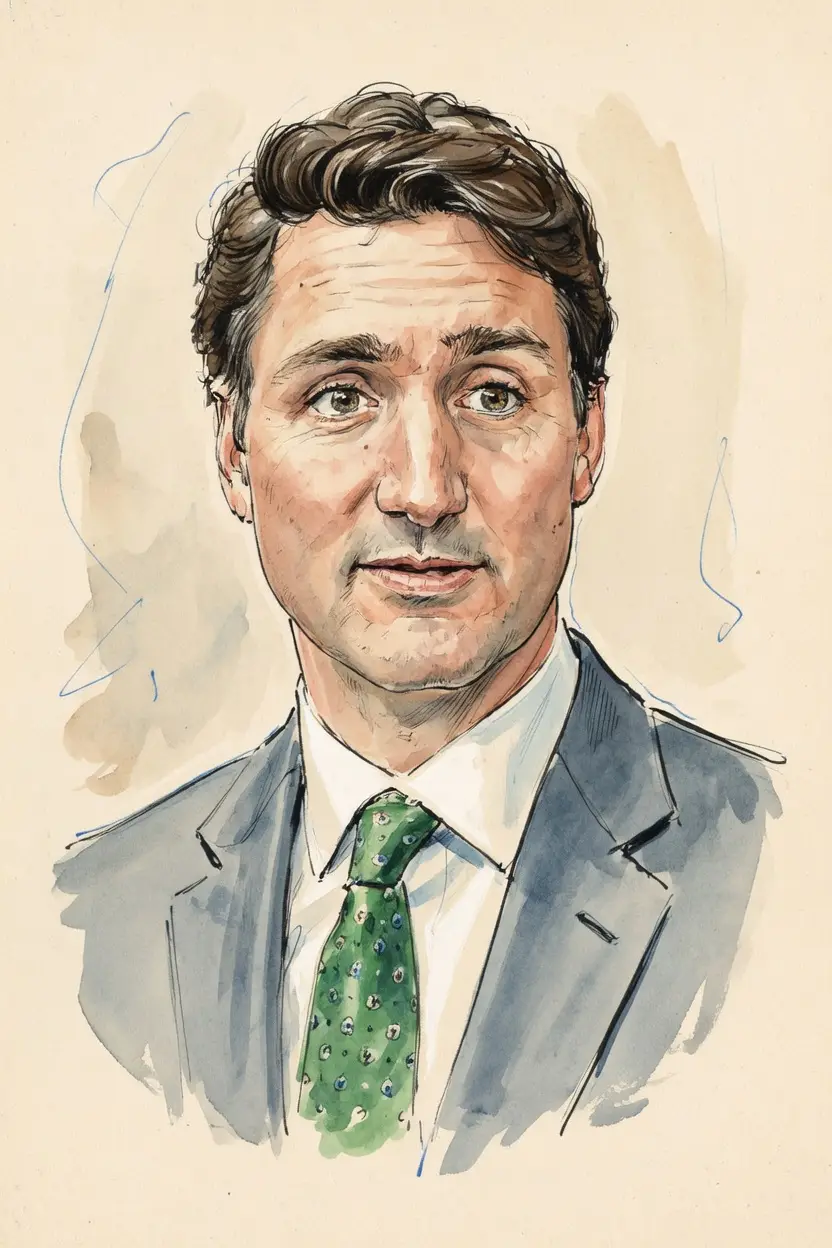
Justin Trudeau on Free Speech
TL;DR
Justin Trudeau asserts that while freedom of expression must be defended, it is not unlimited and must be exercised respectfully.
Key Points
In November 2020, he stated that freedom of expression is not unlimited, citing the inability to falsely cry 'fire' in a cinema.
He expressed support for defending freedom of expression for journalists and artists during a November 2020 statement following an attack in France.
The government has pursued legislation aimed at regulating online content, which critics argue limits free speech, exemplified by discussions around online harms acts.
Summary
Justin Trudeau has frequently addressed the concept of free speech, stating his position is to defend it while simultaneously asserting its limitations within a respectful society. He has explicitly linked freedom of expression to the right of artists and journalists to challenge views, noting its importance in global democratic principles. This stance was highlighted in 2020 when, following a terrorist attack in France, he defended freedom of expression but clarified that it is not absolute, using the analogy that one cannot cry 'fire' in a packed cinema. He maintained that everyone must consider the impact of their words, especially given the discrimination experienced by certain communities in Canada.
This perspective has led to ongoing debate, with critics suggesting that his government's legislative initiatives, such as proposed online harms bills, represent an overreach that could unduly restrict legitimate expression. While he has voiced support for global freedom of expression, his emphasis on balancing this right against the need to prevent harm or hate speech positions him against absolutist interpretations of free speech. The introduction of legislation concerning online harms suggests an evolution toward placing governmental and regulatory limits on digital discourse to protect citizens from negative impacts.
Key Quotes
Basic freedoms are being suppressed and authoritarian leaders are being emboldened.
Frequently Asked Questions
Justin Trudeau believes in defending freedom of expression, but maintains that this freedom is not absolute. He stresses that speech must be exercised respectfully, considering the impact on others, particularly vulnerable communities. This balanced view supports the role of artists and journalists while setting limits on expression that causes undue harm.
Yes, his stance appears to have evolved towards supporting more regulatory frameworks for digital speech. While always defending the principle, his government has introduced or supported legislation, like online harms bills, that critics argue restricts expression more than previous frameworks did. This suggests a shift from a purely principled defense to one tempered by legislative control over online content.
During a press conference in November 2020, Justin Trudeau explicitly said that freedom of expression is not unlimited, using the classic legal example of not being allowed to cry 'fire' in a crowded theatre. He emphasized that in a respectful society, individuals must be aware of the impact of their words on others.
Sources8
With Trudeau on the way out, can Canadians get their free ...
Canada's Extremist Attack on Free Speech
Speech by Justin Trudeau 2020 - Munich Security ...
Have you heard the one about Justin Trudeau attacking ...
Canada Wants to Regulate Online Content. Critics Say It ...
Free Speech Has Limits, Canada's Trudeau Says
Canada and Trudeau go full Orwell behind anti-speech bill
Trudeau defends freedom of speech after outcry over ...
* This is not an exhaustive list of sources.