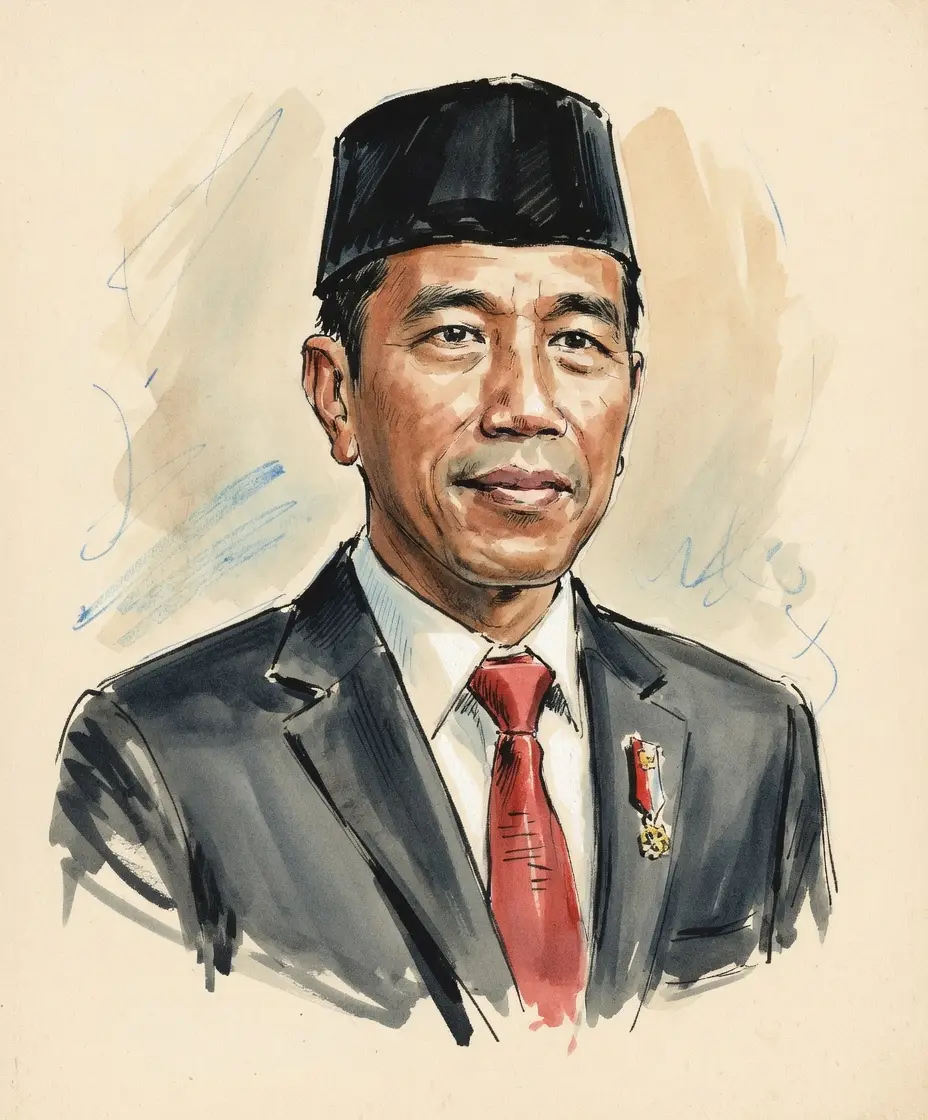
Joko Widodo on Foreign Policy
TL;DR
Joko Widodo’s foreign policy is primarily driven by domestic reform agendas, emphasizing state sovereignty and maritime economic development.
Key Points
His foreign policy is primarily a function of his domestic agenda, focusing on state strength and maritime affairs.
He emphasized maritime issues early on, proposing Indonesia function as a “global maritime nexus” centered on infrastructure and resource management.
Foreign policy under the presidency is argued to manifest continuity with the "bebas-aktif" approach but also incorporate changes, particularly in the second term.
He has been noted for shying away from major regional crises while focusing on securing aid and investment for Indonesia.
Summary
Joko Widodo’s foreign policy approach has been characterized by an unusual inward focus during his first term, contrasting with his predecessor's international statesmanship, as he prioritized energy on domestic affairs and broad reform programs. This initial domestic emphasis led some observers to suggest a degradation of Indonesia’s international standing, although his focus on maritime infrastructure and reasserting state authority inherently created foreign policy challenges due to intertwined national and maritime interests. Since the start of his second term in 2019, he has become more active in international diplomatic events and contributing to global affairs, including peace promotion, marking a shift from his earlier stance.
His administration reflects both continuity, adhering to the 'bebas dan aktif' (independent and active) principle, and change, by seeking to 'bring diplomacy back to earth' to serve people in practical ways, such as tasking diplomats to market Indonesian products. A deep intellectual commitment to state sovereignty is apparent, which, combined with a focus on maritime issues like securing the Exclusive Economic Zone, suggests an assertive stance on territorial integrity that could lead to increased friction with neighboring states. Despite this, his foreign policy is often characterized by a reluctance to wade into major regional crises, instead focusing on securing investment that funds his domestic agenda.
Frequently Asked Questions
Joko Widodo's primary focus in foreign policy is pragmatic: ensuring it advances his domestic reform agenda. This often centers on reasserting state authority and vigorously defending national sovereignty, particularly in maritime domains. He has also shown a desire to focus on tangible economic diplomacy rather than high-profile summit diplomacy.
Yes, the position has shown evolution, particularly between his first and second terms. Initially, he was seen as unusually inward-looking, skipping major diplomatic events to concentrate on domestic issues. However, since 2019, he has reportedly become more active in international diplomacy and contributing to global affairs.
He views Indonesia as an archipelagic state whose prosperity is tied to its waters, making maritime affairs central to his agenda. This involves promoting maritime culture, guarding maritime resources like fisheries, and prioritizing the development of maritime infrastructure and connectivity.
Sources6
Joko Widodo's 'Bebas-Aktif' Foreign Policy Approach: Continuity and Change
Sovereignty and the Sea: President Joko Widodo's Foreign Policy Challenges
Understanding Jokowi's Foreign Policy
Understanding Jokowi's Foreign Policy
Sovereignty and the Sea: President Joko Widodo's Foreign Policy Challenges
The Tragedy of Joko Widodo
* This is not an exhaustive list of sources.