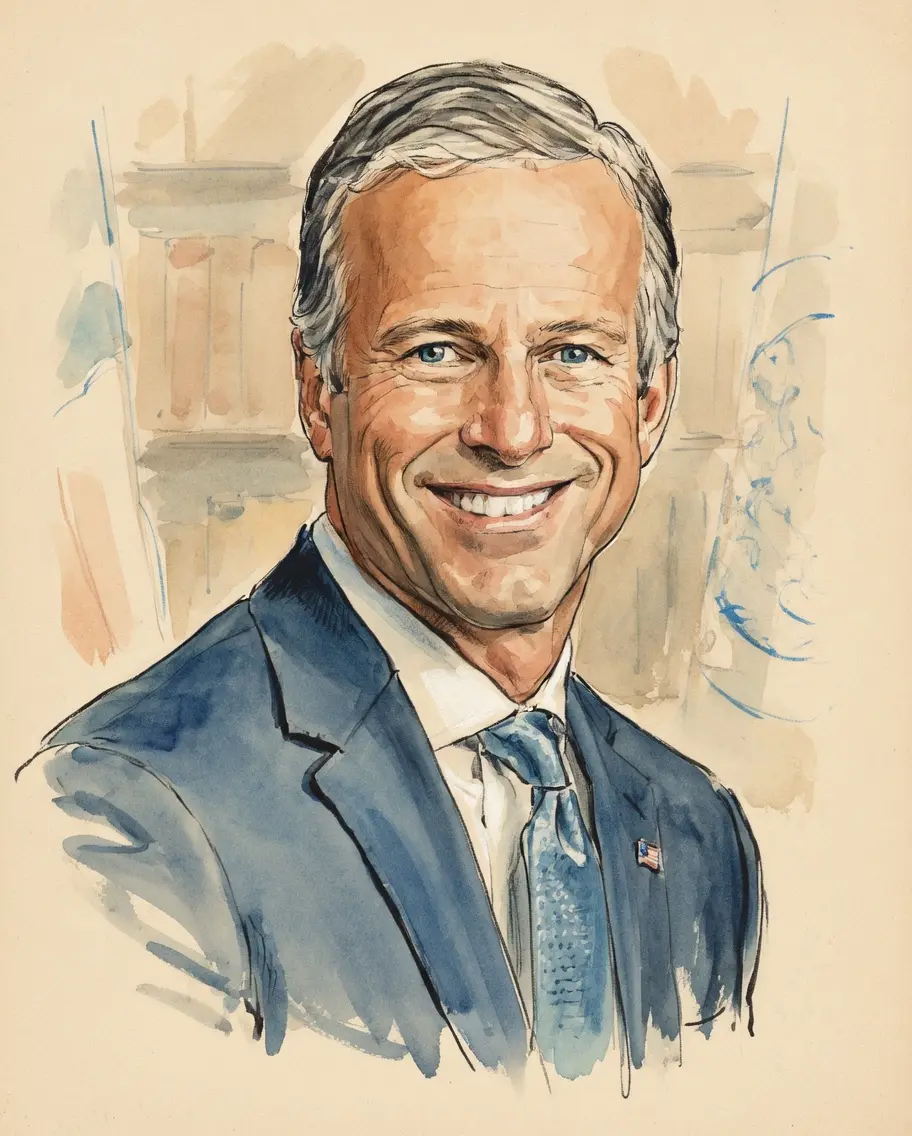
John Thune on Jeffrey Epstein
TL;DR
John Thune faced calls from Democratic colleagues to bring a bill for unsealing Jeffrey Epstein's records to a Senate vote.
Key Points
Democratic senators directly called on him in November 2025 to schedule a vote on the Epstein Files Transparency Act.
The legislative effort sought to release sealed court documents and records pertaining to Jeffrey Epstein's criminal case.
Public discourse suggested division between the Senate leadership and the House Speaker regarding the timing of the Epstein files vote.
Summary
John Thune, in his leadership role in the Senate, was directly urged by several Democratic senators to bring the Epstein Files Transparency Act to the floor for a vote. This legislative push, initiated by senators like Warner and Kaine, aimed to compel the release of sealed records related to Jeffrey Epstein, highlighting bipartisan interest in transparency regarding the convicted sex offender's associates and activities. The requests specifically called on the Senator to 'quickly' bring the measure up for a vote, positioning him as the gatekeeper for advancing the legislation within the Senate's schedule.
Despite the direct appeals, public reporting indicated a division or delay regarding the bill's movement, with some accounts suggesting a procedural hold-up or disagreement between the Senate leadership and the House Speaker on how to proceed with the high-profile information release. The focus remained on Thune's procedural authority to schedule the vote, which he did not immediately commit to, creating an inflection point between the legislative push for disclosure and the Senate's operational timeline under his guidance.
Frequently Asked Questions
John Thune's position is centered on his role as Senate leader regarding legislation concerning Jeffrey Epstein's sealed records. He was formally asked by colleagues to bring the Epstein Files Transparency Act to the floor for a vote. His stance is procedural, as he controls the Senate schedule that dictates when such a vote can occur.
As of the recent activity, Thune had not brought the bill for a vote on the Senate floor. Democratic senators issued formal letters demanding he quickly bring the measure up for consideration. His action or inaction determines the bill's immediate path toward a final Senate vote.
Reports indicate that procedural hurdles or disagreements between party leadership may have affected the scheduling of a vote on the Epstein files. Thune was the focus of bipartisan pressure to allow a vote on the legislation aimed at transparency. His office's direct public statement on the matter in that period was highly anticipated.
Sources8
Warner, Kaine Call on Leader Thune to Quickly Bring the Epstein Files Transparency Act to Floor for Vote
Johnson, Thune on Epstein files, GOP, 2026, and more
Final Letter to Thune re: Epstein Files
Thune: Senate Epstein files vote 'would be up to Senate’
King, Colleagues Call on Senate Majority Leader to Immediately Bring Epstein Files Transparency Act to Floor for Vote
Epstein files: Republicans warn of 'Arctic frost' after Trump calls for 'full transparency'
Peters Leads Colleagues in Calling on Senate Majority Leader to Quickly Bring the Epstein Files Transparency Act to Floor for Vote
Division arises between Speaker Johnson, Leader Thune over Epstein files
* This is not an exhaustive list of sources.