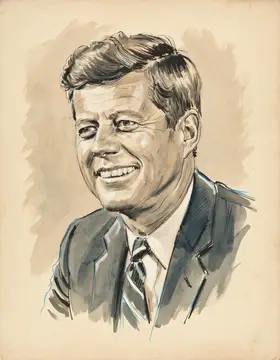
John F. Kennedy on Healthcare
TL;DR
John F. Kennedy strongly advocated for a national health care program for the aged, attempting to pass what would become Medicare.
Key Points
John F. Kennedy promoted a national health insurance program for the elderly, often referred to as Medicare, starting in 1962.
He delivered a major address advocating for this legislation at Madison Square Garden on May 20, 1962.
The push for aged care legislation faced strong opposition that raised concerns about the socialization of medicine.
Summary
John F. Kennedy was a proponent for federal intervention in healthcare, focusing his primary efforts on establishing a national health insurance program for the elderly. In the spring of 1962, he launched a significant push for this legislation, which aimed to provide health care for the aged, an initiative that would eventually be known as Medicare. This effort culminated in a nationally televised address at Madison Square Garden on May 20, 1962, where he appealed directly to the public to support the measure against opposition charging it would socialize medicine and threaten liberty. Despite his energetic efforts, the initial legislative attempt ultimately faltered in Congress.
The legislative battle illustrated the enduring difficulty of enacting major healthcare reform, even for a determined president. Kennedy faced challenges from powerful committee chairmen and a well-funded opposition, including the American Medical Association, which warned against government control. His strategy involved both private negotiation and public persuasion, but going public with a large rally antagonized necessary congressional allies. The failure of this major domestic initiative suggested to some observers that he had informed the nation but failed to inspire it sufficiently to overcome entrenched political resistance.
Frequently Asked Questions
According to historical accounts, John F. Kennedy’s primary healthcare focus during his presidency was advocating for a national health insurance plan for the aged, which later became known as Medicare. He saw this as a crucial domestic accomplishment to secure for the country. His televised address in 1962 was a high point of this advocacy effort.
John F. Kennedy argued for universal health care for the elderly population, as documented in a major 1962 speech. While his legislative focus was narrowly tailored to the aged, his rhetoric implied a broader belief in the government's role in ensuring medical access. Reports indicate he faced significant political constraints in achieving even this specific goal.
The legislation John F. Kennedy championed for the aged health care program ultimately foundered in Congress after he pushed hard for it. The effort was blocked by powerful committee leaders and faced intense public opposition from groups like the American Medical Association. This defeat demonstrated the political difficulty of passing major healthcare reform at that time.
Sources6
50 years before Obamacare, JFK's own health care debacle
John F Kennedy Argues For Universal Healthcare - Films For Action
The Behind-the-Scenes Story of the Passage of the Affordable Care Act
Community Mental Health: Kennedy
Healthcare: Be a Leader
JFK makes the argument for universal healthcare at Madison Square Garden, NY, May 20, 1962.
* This is not an exhaustive list of sources.