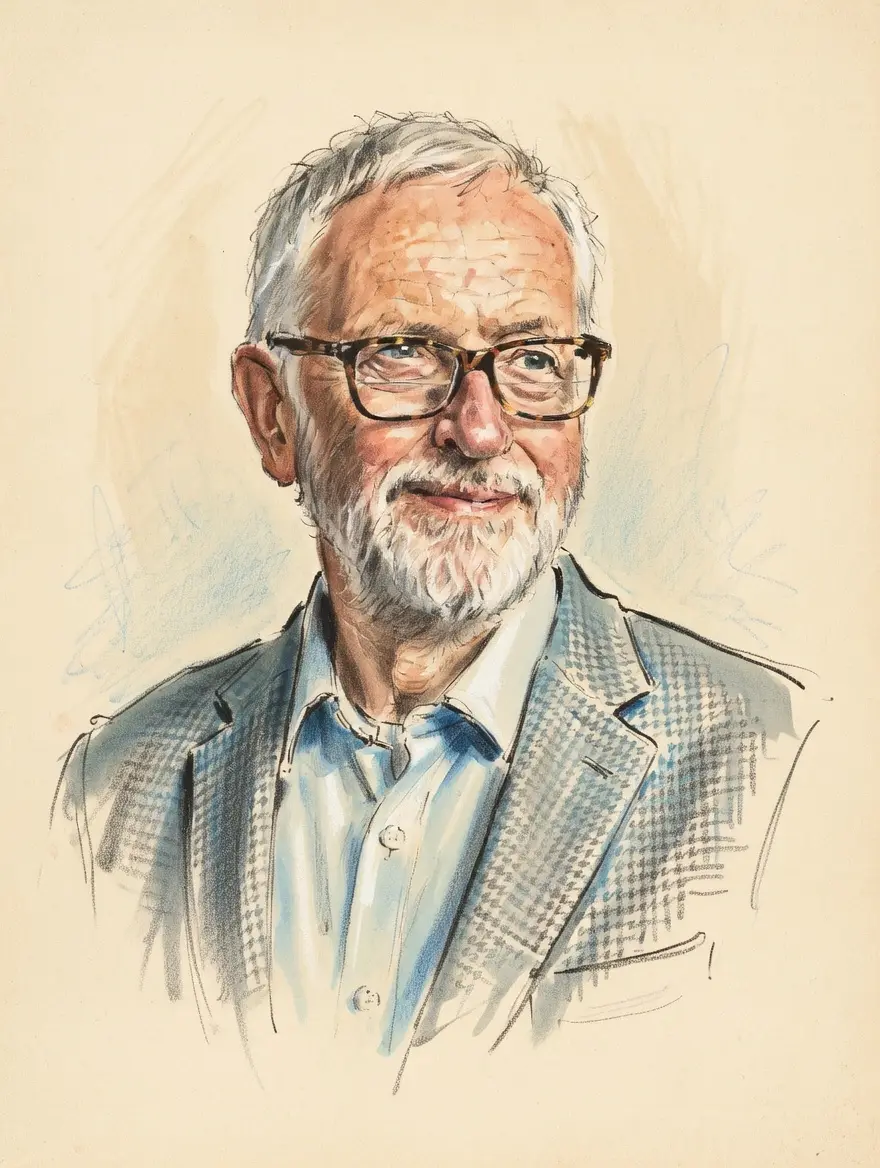
Jeremy Corbyn on IRA
TL;DR
Jeremy Corbyn consistently advocated for dialogue with all parties, including paramilitary groups, during the Northern Ireland peace process.
Key Points
He consistently supported talks involving all political parties in the Northern Ireland peace process, including those linked to paramilitary groups.
Accusations that he refused to condemn the IRA were fact-checked, with some sources indicating nuanced or specific condemnations occurred.
His engagement with republican figures during the conflict predated the 1998 Good Friday Agreement and aimed to support dialogue.
Summary
Jeremy Corbyn's long-standing position regarding the Provisional Irish Republican Army, or IRA, involved advocating for dialogue and negotiation as the sole means to achieve peace in Northern Ireland. He consistently argued against a purely military approach, a stance that frequently placed him at odds with mainstream political opinion and led to accusations of being insufficiently critical of the organization's violence. Key to his approach was a belief that engaging with all sides, including Sinn Féin and associated republican figures, was necessary to foster a comprehensive political settlement, a position he maintained throughout his parliamentary career in relation to the peace process.
This consistent call for engagement has been a source of controversy, with critics claiming it amounted to legitimizing terrorism or failing to sufficiently condemn IRA actions, such as bombings and murders. Supporters, however, point to his activities in the 1980s and 1990s as a pragmatic effort to create the conditions for the Good Friday Agreement. While he did not shy away from calling for peace, the nuance of his public statements regarding condemnation and engagement has led to ongoing debate about his precise relationship with the republican movement and its political representatives.
Key Quotes
I'm happy to commemorate all those who died fighting for an independent Ireland
Frequently Asked Questions
Jeremy Corbyn's position has historically centered on the need for political dialogue with all parties involved in the Northern Ireland conflict, including the IRA's political representatives. He consistently argued that peace could only be secured through negotiation rather than military means alone. This approach led to ongoing criticism regarding the tone and timing of any specific condemnations of IRA violence.
Controversy has surrounded whether Jeremy Corbyn failed to condemn IRA actions clearly or promptly enough. Fact-checks have indicated that he did make statements calling for peace and condemning violence, but often framed within his wider argument for an inclusive political settlement. His critics have frequently seized upon the specific wording and context of these statements.
As a backbench Member of Parliament, he played a role by meeting with and providing a platform for individuals associated with the republican movement when dialogue was otherwise politically unfashionable. He maintained that these meetings were necessary to support the broader goal of finding a peaceful, negotiated resolution to the conflict. This engagement is viewed by some as pragmatic support for the peace process.
Sources8
Election 2017: Jeremy Corbyn's IRA links fact-checked
No, Jeremy Corbyn did not refuse to condemn the IRA
Jeremy Corbyn and the IRA smears
Fact check: Is Jeremy Corbyn a terrorist sympathiser?
What was Jeremy Corbyn's involvement in the Northern Ireland peace process?
The Guardian view on Jeremy Corbyn and Ireland: all about the border
Factcheck: Corbyn on Northern Ireland
Should Jeremy Corbyn apologise for supporting the IRA
* This is not an exhaustive list of sources.