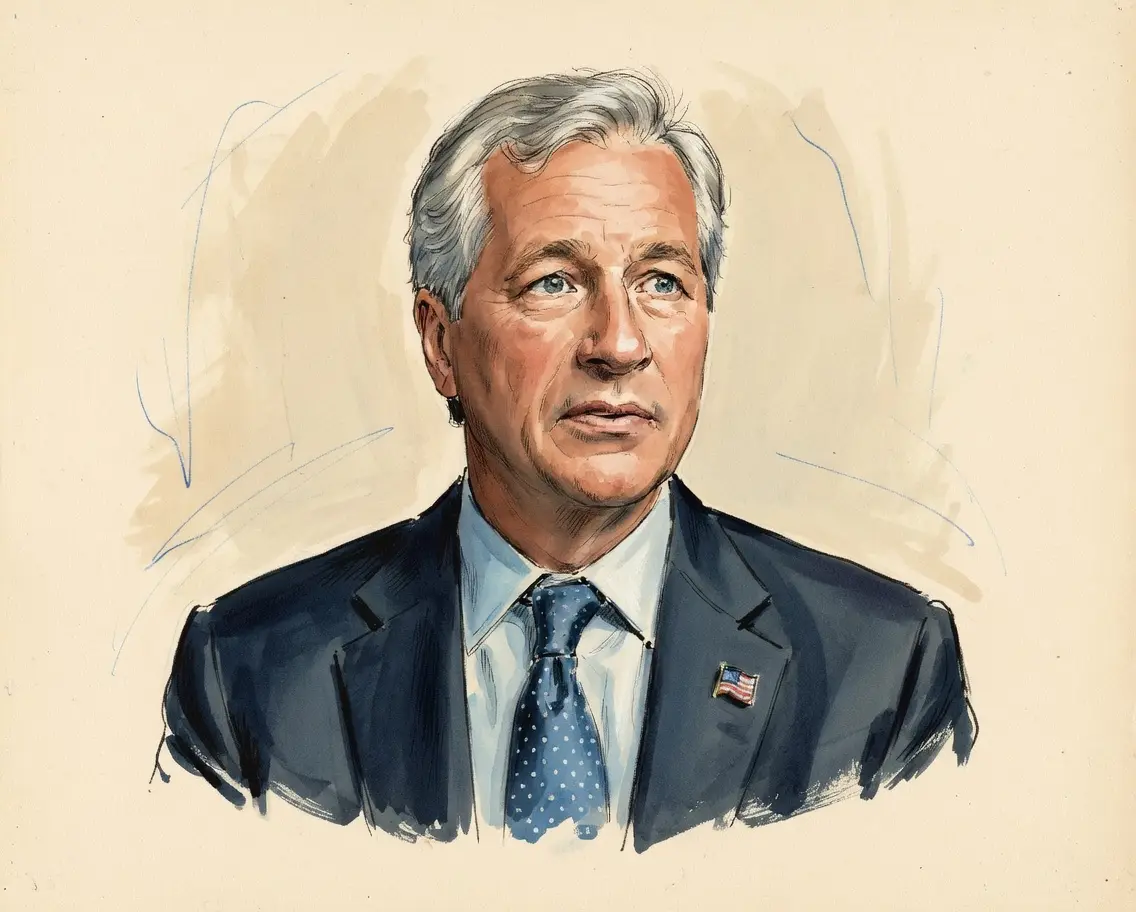
Jamie Dimon on Recession
TL;DR
Jamie Dimon maintains that a recession remains possible due to high asset prices and systemic complacency in the credit markets.
Key Points
He warned in early 2026 that the next credit cycle is likely to be worse than a normal one.
Dimon cited low credit spreads, high asset prices, and complacency among lenders as key warning signs.
He has historically made bold calls, such as warning about inflation being non-transitory after the COVID pandemic.
Summary
Jamie Dimon, the CEO of JPMorgan Chase, frequently expresses concern regarding the persistent risks of an economic downturn, even amid periods of apparent strength. He has warned that the next credit cycle could prove to be worse than a typical one, attributing this heightened risk to widespread complacency among lenders and the substantial debt levels carried by governments. The banking chief notes that while individuals and corporations may appear financially sound currently, factors like aggressive competition, lower underwriting standards, and high asset valuations increase systemic fragility. This perspective suggests that market participants may be underestimating the possibility of a sharp contraction.
His outlook often contrasts with more optimistic market indicators, positioning him as a voice cautioning against excessive risk-taking in the financial system. He has drawn parallels between current conditions and the lead-up to the 2008 financial crisis, specifically citing concerns over the expanding private credit market as a potential source of unexpected trouble. While he acknowledges current profitability, Dimon emphasizes the historical pattern where a credit cycle surprise always surfaces, suggesting vigilance is necessary to avoid being caught off guard when that cycle eventually turns.
Frequently Asked Questions
Jamie Dimon holds a cautious to negative position on the immediate risk of recession, viewing it as a persistent threat. He frequently warns that current complacency in lending standards and high asset valuations are setting the stage for a sharp downturn in the next credit cycle.
While the specific timeline for a recession changes, Jamie Dimon's fundamental cautionary stance remains consistent over time. He has previously warned of potential economic hurricanes and impending recessions, sometimes before they materialized, indicating a sustained skepticism about smooth economic sailing.
Jamie Dimon stated that the upcoming credit crunch is anticipated to be worse than a normal one. He points to factors like bad underwriting and excessive risk-taking driven by the current battle for yield as creating dangerous conditions.
Sources8
Jamie Dimon: 'dumb things' could point to another financial crisis
Jamie Dimon Thinks the Next Credit Crunch Will Be Worse Than Normal
Jamie Dimon Just Explained Why The Economy Might Collapse
JPMorgan's Jamie Dimon Warns U.S. Recession Still Possible in 2026 Despite Strong Growth
Jamie Dimon Warns Credit Cycle Will Be 'Worse Than Normal' — What Prediction Markets Tell Us About The Next Recession
Jamie Dimon says 3 factors are driving his economic outlook
JPMorgan's Jamie Dimon Warns U.S. Recession Still Possible in 2026 Despite Strong Growth
Watch out! Jamie Dimon issues a warning for the credit market and beyond
* This is not an exhaustive list of sources.