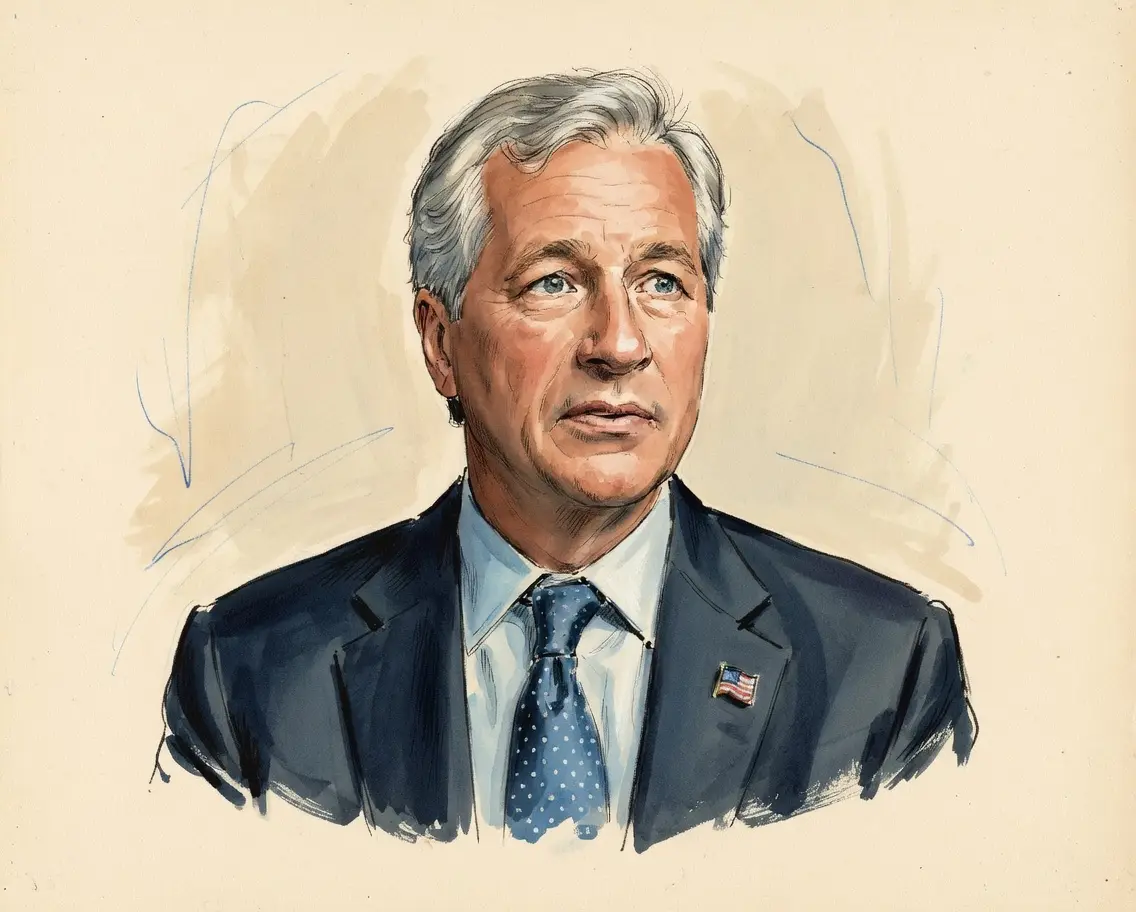
Jamie Dimon on Bitcoin
TL;DR
Jamie Dimon remains a long-time skeptic of Bitcoin's fundamental value but pragmatically allows client access due to market demand and regulation.
Key Points
He previously stated he would fire any employee trading Bitcoin for being “stupid” and called it a “fraud.”
JPMorgan Chase began allowing its clients to purchase Bitcoin after a shift driven by mounting client demand and a changed political climate.
He stresses that crypto companies offering stablecoin rewards should be regulated exactly like traditional banks to ensure a fair playing field.
Summary
Jamie Dimon, the CEO of JPMorgan Chase, has historically been one of Bitcoin's most outspoken critics, previously calling the cryptocurrency a fraud and a pet rock. This core negative stance has been tempered by a pragmatic acceptance of its growing market relevance and client demand, leading his bank to permit clients to purchase the asset. He continues to voice concerns, however, regarding the currency's utility for illicit activities and its lack of intrinsic value compared to traditional finance.
Despite his personal skepticism, Dimon advocates for comprehensive regulation, insisting that crypto firms offering bank-like services, such as stablecoin rewards, must operate under the same strict rules as established banks. The bank itself, however, has embraced the underlying distributed ledger technology, with JPMorgan being a significant user of blockchain for internal data movement and for its own deposit token, JPM Coin. This dual position highlights a struggle between ideology and the necessity of adapting to a changing financial landscape shaped by institutional adoption and political shifts.
Key Quotes
“You are full of s—,”
Frequently Asked Questions
Jamie Dimon maintains a deep skepticism toward Bitcoin, viewing it as lacking intrinsic value and having historical links to illicit activity. However, he has pragmatically allowed JPMorgan Chase clients to buy the asset due to overwhelming market demand and institutional movement.
Yes, his position has demonstrably evolved from being a staunch critic who called it a fraud to allowing his bank's clients access to purchase it. This shift reflects a pragmatic concession to market realities rather than a full embrace of the asset's value proposition.
He firmly believes the entire crypto industry should be regulated rigorously, asserting that any firm offering bank-like services, such as yield on stablecoins, must be regulated exactly as banks are. He warns that not having this level playing field will ultimately cause the public to pay a price.
Sources5
Jamie Dimon Tells Coinbase CEO Brian Armstrong He's 'Full of Sh—' in Davos Clash: WSJ
JPMorgan Chase’s CEO Jamie Dimon says crypto companies should be regulated like banks if they want to pay stablecoin rewards
Why JPMorgan Chase's CEO Accepting Bitcoin Is Significant | TIME
JPMorgan Chase’s Jamie Dimon Says Blockchain Is The Future; But Bitcoin Isn’t
Jamie Dimon Calls Crypto Tokens 'Decentralized Ponzi Schemes'
* This is not an exhaustive list of sources.