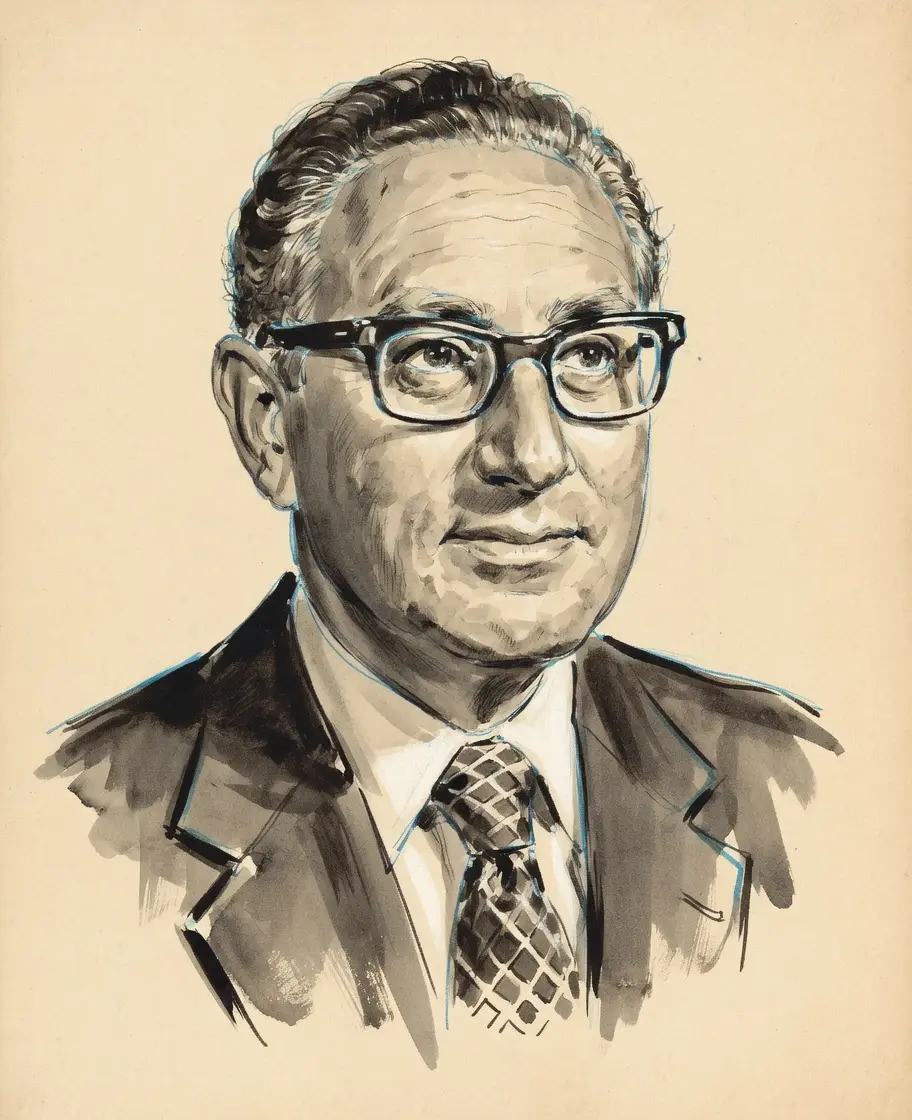
Henry Kissinger on Vietnam War
TL;DR
Henry Kissinger championed a negotiated settlement for the Vietnam War aiming for an honorable American withdrawal and peace with honor.
Key Points
He directed secret negotiations with North Vietnam aimed at achieving a settlement leading to the Paris Peace Accords in January 1973.
Kissinger pursued the policy of Vietnamization, building up South Vietnamese forces while US troop levels were simultaneously reduced.
His diplomatic efforts were accompanied by controversial military actions, including the secret bombing campaigns in Cambodia and Laos.
Summary
Henry Kissinger's position on the Vietnam War centered on achieving a solution that secured American credibility and allowed for a phased withdrawal of US troops. As National Security Advisor, he directed secret negotiations with North Vietnam aimed at securing a peace agreement that preserved the South Vietnamese government. This policy, known as Vietnamization, involved building up South Vietnamese forces while simultaneously pursuing a diplomatic end to the conflict, which involved both public overtures and secret, intense bargaining.
His approach evolved over time, marked by intense secrecy and controversial military escalations, such as the bombing of Cambodia, alongside peace talks. Kissinger believed that military pressure was necessary to force the North Vietnamese leadership to accept negotiated terms, ultimately leading to the Paris Peace Accords in 1973. However, evidence suggests he knew the war was likely unwinnable militarily years prior, complicating the rationale for prolonging the conflict while negotiating.
Key Quotes
"We believe peace is at hand. We believe an agreement is within sight"
"We paid a high price, but we gained ten years of time and we changed what then appeared to be an overwhelming momentum (of communist influence). I do not believe our soldiers, or our people need to be ashamed."
Frequently Asked Questions
Henry Kissinger's primary goal was to negotiate an end to the Vietnam War that secured an honorable exit for the United States and preserved the South Vietnamese regime. He sought a 'peace with honor' rather than unilateral withdrawal under pressure.
Yes, his public stance evolved from advocating for a strong negotiating position backed by military pressure to claiming success with the Paris Peace Accords. However, his private knowledge, revealed later, suggested he knew the military endgame was unlikely years before the final settlement.
As National Security Advisor and later Secretary of State, Kissinger was the principal architect of the U.S. strategy to end the war. He led the intense, secret negotiations with North Vietnamese representatives, which culminated in the 1973 peace agreement.
Sources9
Henry Kissinger and the Vietnam War
Kissinger's Foreign Policy Legacy Tainted by Vietnam
Kissinger, Dobrynin, and the End of the Vietnam War
Henry Kissinger and the Vietnam War: Legacy
Henry Kissinger on Vietnam
Ending the Vietnam War: The American Involvement, Extrication, and Legacy
The Secret Strategy: Kissinger, Vietnam, and the Secret Deal to End the War
New Article Shows Kissinger Knew Vietnam War Was Lost Years Before It Was
The Kissinger Diaries: Vietnam, United States and the Military in Indochina
* This is not an exhaustive list of sources.