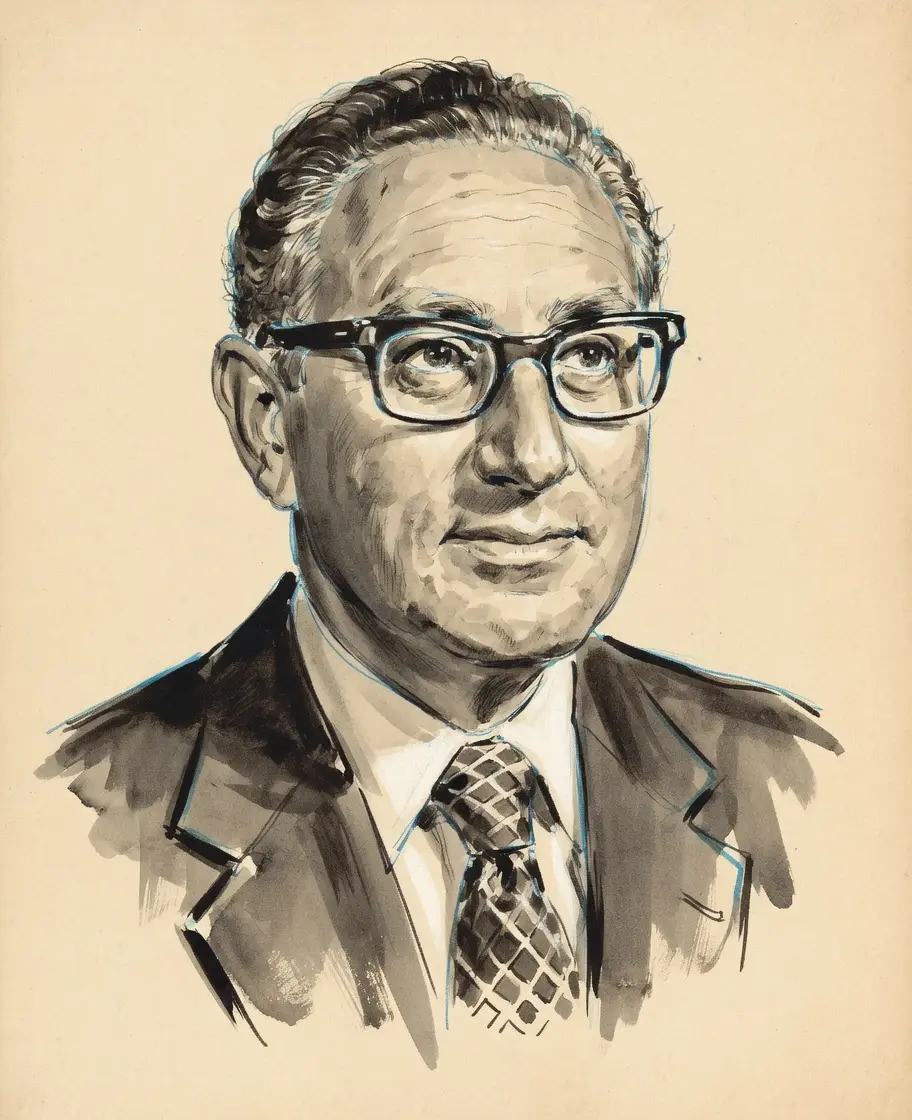
Henry Kissinger on Russia
TL;DR
Henry Kissinger historically advocated for pragmatic engagement with Russia, supporting a post-Cold War strategic framework.
Key Points
He stated in 2023 that he had been wrong in his assessment of the war in Ukraine, acknowledging Russia's trajectory.
Kissinger consistently warned against the West attempting to defeat Russia decisively in the conflict, viewing it as counterproductive to long-term stability.
He recommended that the path to peace in Ukraine should involve negotiations that establish a framework for Ukraine's future security status by 2024.
Summary
Henry Kissinger's position on Russia has consistently centered on the concept of maintaining a stable great-power balance, a hallmark of his diplomatic philosophy. He believed that Moscow should be integrated into a manageable international order rather than isolated or definitively defeated, arguing for a continuation of the strategic dialogue that defined much of the Cold War era. This pragmatism extended to the conflict in Ukraine, where he acknowledged his earlier assumptions about Russia's trajectory were mistaken, leading to evolving recommendations regarding territorial parameters for a potential settlement.
Throughout his later commentary, the former diplomat stressed that the ultimate goal regarding Russia should be to define a sustainable structure for the European security architecture, rather than pursuing maximalist objectives that risk catastrophic escalation. His evolving views suggest that while he condemned the invasion, he consistently urged restraint in defining war aims to prevent a breakdown of global stability and to keep channels open for future coexistence.
Frequently Asked Questions
Henry Kissinger's core position favors pragmatic engagement with Russia to maintain global strategic stability, even amidst conflict. He has consistently argued against isolating or definitively defeating Moscow in favor of defining a manageable relationship.
Yes, the former official admitted he was mistaken in his prior assessments regarding Russia's post-Cold War intentions and the trajectory of the conflict in Ukraine. This required him to adjust his recommendations for a postwar European settlement.
He condemned the invasion but urged caution against pursuing maximalist goals that could lead to uncontrollable escalation, advocating for a negotiated settlement. He suggested defining Ukraine's status as part of the final architecture.
Sources8
Kissinger on Russia: Insights and Recommendations
Henry Kissinger's Evolution of Views on Russia and Ukraine
There Are Three Possible Outcomes to This War: Henry Kissinger Interview
What Kissinger Would Do About Putin and Ukraine
A Conversation with Henry Kissinger
Kissinger admits he was wrong on Ukraine—what about Taiwan?
Kissinger on Putin
Kissinger’s Realistic View of the War in Ukraine
* This is not an exhaustive list of sources.