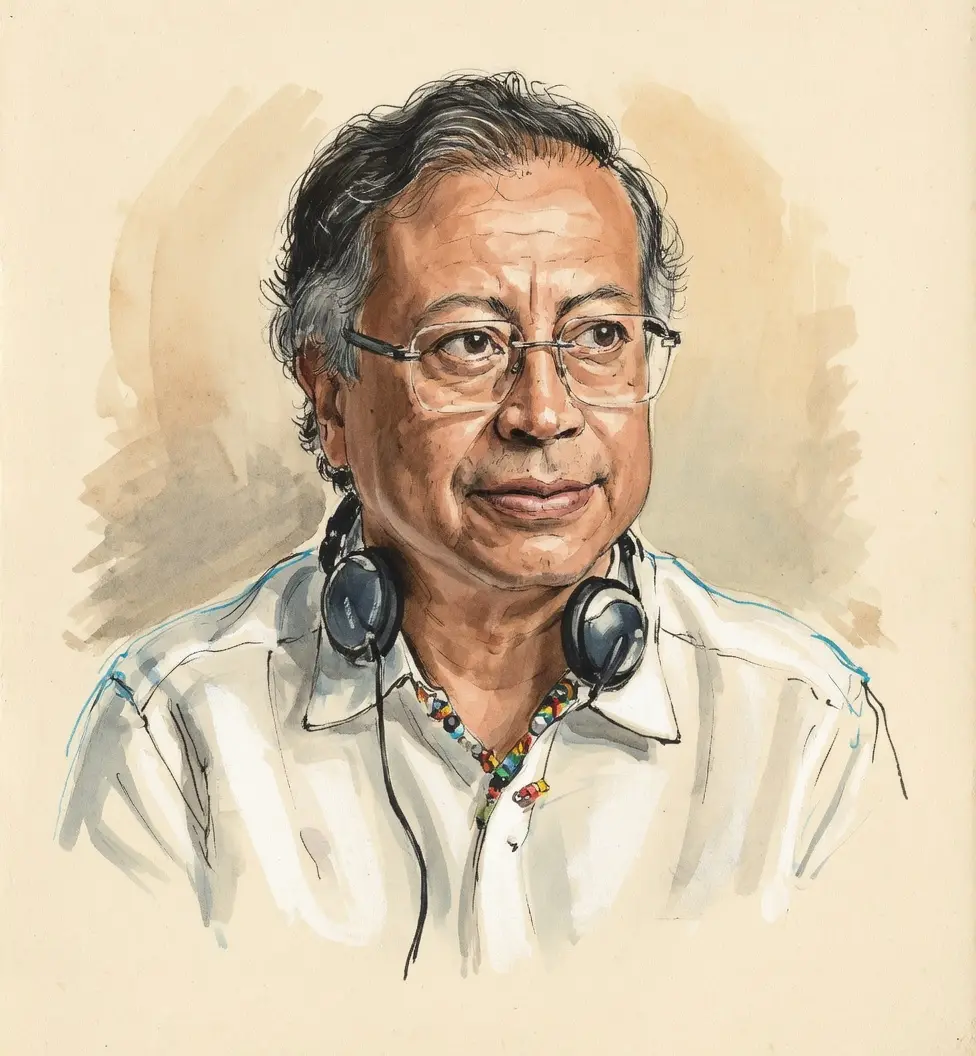
Gustavo Petro on Migration
TL;DR
Gustavo Petro advocates for managing migration as a human right, prioritizing dignity and addressing root causes globally.
Key Points
He condemned mass expulsion and persecution of migrants, linking it to a global structural inequity during his 2025 address to the UN General Assembly.
The administration maintained the Temporary Protection Statute for Venezuelan Migrants but has been criticized for slow progress in reforming the asylum system.
The government initially refused U.S. deportation flights citing concerns over the treatment of returnees, leading to a diplomatic spat resolved by agreeing to accept deportees in "dignified conditions."
Summary
Gustavo Petro's core position on migration is rooted in humanitarian principles, emphasizing the need to manage the phenomenon as a fundamental human right while strongly condemning policies that treat migrants as criminals or tools of national dominance. He has forcefully criticized the mass expulsion and persecution of migrants on international stages, linking this issue to broader global inequities, war, and climate inaction. His government has navigated the complex reality of hosting the world's largest Venezuelan migrant population, inheriting and maintaining the Temporary Protection Statute while struggling to implement systemic reforms to the asylum process, which critics note has seen slow progress.
The implications of his stance have been most visible in the bilateral relationship with the United States, particularly concerning deportations. The administration initially rejected United States deportation flights that transported nationals in what were considered undignified conditions, leading to threats of tariffs and visa sanctions from the US president. Following this tension, the Colombian government reached an agreement to resume accepting deportees but only under guaranteed "dignified conditions," even utilizing the presidential plane to ensure a respectful return for its citizens.
Key Quotes
Innocent young people are being murdered with missiles ordered by a President of the United States. It's not a war against drug traffickers, but a war against the poor of the south,
Humanity cannot allow a single day or more of this.”
Frequently Asked Questions
Gustavo Petro frames migration management as a human right and advocates for global solidarity to protect the vulnerable. He strongly rejects treating migrants as criminals or subjects of national dominance by richer nations.
The Petro government has largely maintained the previous administration's Temporary Protection Statute for Venezuelan migrants, which allows millions to live and work legally in Colombia. However, it has been criticized for an institutional dismantling and slow progress in creating new, comprehensive regularization mechanisms or effectively reforming the asylum process.
The president criticized the United States for policies he deems racist and linked to a 'war against the poor,' specifically objecting to sending back Colombian nationals in handcuffs on military aircraft. He demanded deportees be treated with dignity and respect by the US.
Sources9
Petro government's migration management: more promises than results
At UN, Colombian President Petro slams global inaction, calls for urgent reform | UN News
Petro and the migration limbo: Human rights situation of Venezuelan migrants and refugees in Colombia
Petro: The Voluntary Migration Initiative of Gazans to Colombia
Colombia's President Gustavo Petro slams US policies on drugs, migration
Colombia Isn't Ready for a New Venezuelan Migration Wave, Plus Bukele's Mano Dura Threats Won't Fix the Economy
Trump–Petro: Real implications for colombians looking to United States
Colombia's President Tests Trump on Migrant Returns, Quickly Backs Down
US deportation flights land in Colombia after Trump-Petro row | Migration News | Al Jazeera
* This is not an exhaustive list of sources.