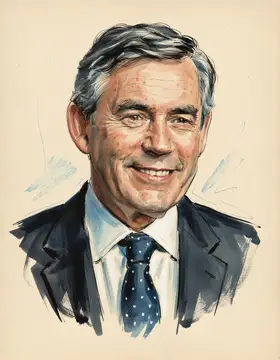
Gordon Brown on Scottish Independence
TL;DR
Gordon Brown is a long-time, committed defender of the unity of the United Kingdom, actively campaigning against Scottish Independence.
Key Points
He actively campaigned for a 'No' vote in the 2014 Scottish independence referendum, culminating in a passionate speech the eve of the poll.
He used his position post-referendum to demand that UK political leaders uphold their commitments for substantial further devolution to the Scottish Parliament.
More recently, he admitted that the forces for independence are greater than those for unionism unless a positive case for the UK is made.
Summary
Gordon Brown has historically advocated for Scotland's place within the United Kingdom, arguing that the Union is a partnership based on shared values and pooled resources. He was a central figure in the 'No' campaign for the 2014 independence referendum, emphasizing that cooperation, rather than separation, offered a progressive vision for Scotland. Brown worked with fellow Scottish Labour politicians from the 1970s onward to support devolution, seeing the creation of the Scottish Parliament as part of a modern constitutional settlement for the UK, not a step toward independence. He believed that the economic roots of nationalism stemmed from deindustrialization and the failure to forge a unifying British identity.
Following the 2014 vote, his focus shifted to ensuring promises of further devolution were kept, acting as a key figure to hold Westminster parties accountable for their commitments. He maintained that even a 'No' vote was a vote for significant change, suggesting a modern 'home rule' within the Union. More recently, he has acknowledged that the forces pulling Britain apart remain strong, indicating that Unionists must offer a positive, forward-looking argument, rather than simply relying on the failure of the independence movement, to sustain the Union.
Frequently Asked Questions
Gordon Brown is a firm opponent of Scottish Independence and a committed defender of the unity of the United Kingdom. He campaigned extensively for a 'No' vote in the 2014 referendum. He believes Scotland's interests are best served by remaining within a reformed UK based on partnership and shared resources.
His core stance against independence has remained consistent; however, his focus has evolved. After the 2014 result, he became the advocate ensuring promised devolution would be delivered. More recently, he acknowledged the enduring strength of independence sentiment, urging Unionists to improve their case.
During the 2014 referendum, he delivered a highly emotional speech arguing that the Union represented a commitment to sharing and solidarity. After the 'No' vote, he immediately focused on locking in the promised transfer of new powers to the Scottish Parliament to justify the decision to remain.
Sources5
Scotland | The Office of Gordon & Sarah Brown
Gordon Brown tells Scots: I'll make sure Westminster keeps promises | Scottish independence | The Guardian
Gordon Brown concedes independence campaign is 'greater than' Unionism | The National
Gordon Brown - Wikipedia
* This is not an exhaustive list of sources.