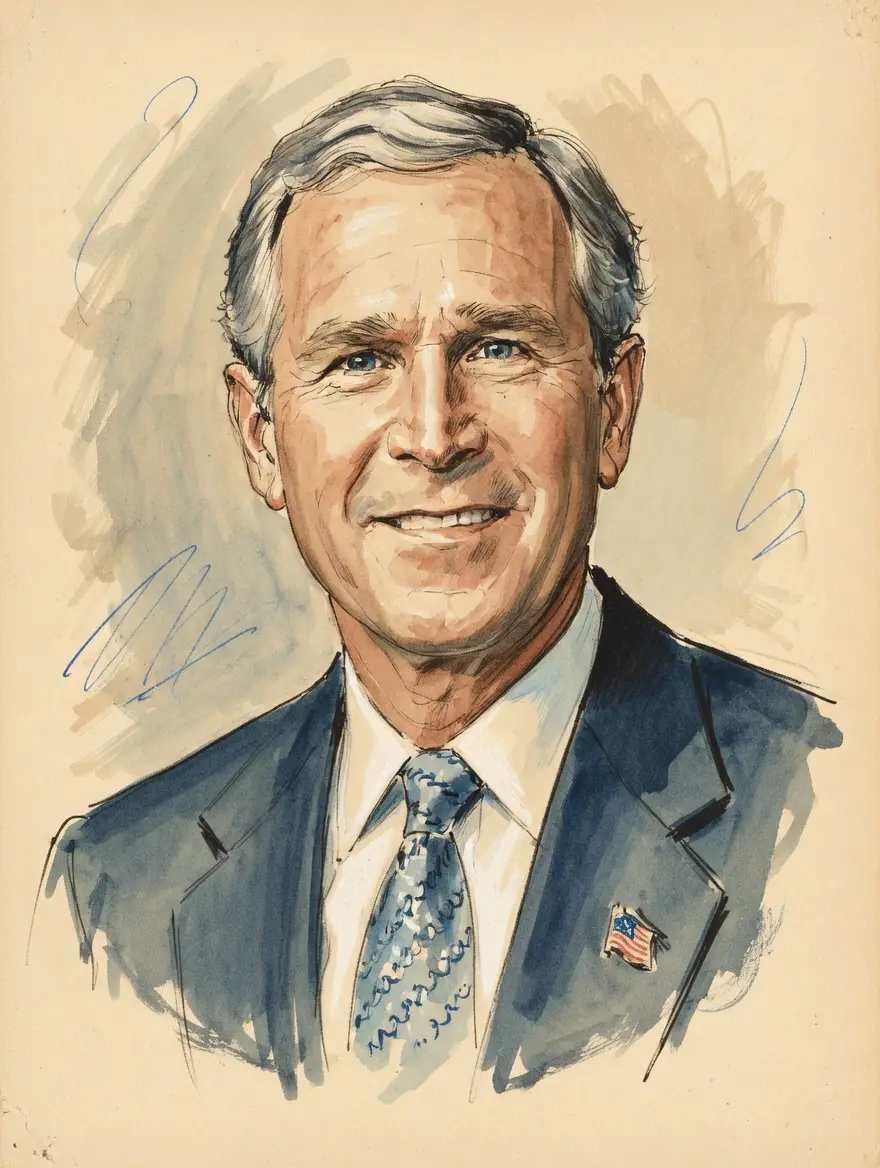
George W. Bush on China
TL;DR
George W. Bush initially pursued engagement with China, viewing it as a responsible stakeholder, but later hardened his stance after 9/11.
Key Points
The administration supported the admission of the PRC and Taiwan into the World Trade Organization in 2001.
The early policy aimed to integrate China into the international system as a 'responsible stakeholder' post-9/11.
The relationship reportedly experienced hardening positions from some within the administration as the decade progressed.
Summary
George W. Bush’s initial approach to the People's Republic of China (PRC) centered on integrating the country into the international system, viewing it as a potential "responsible stakeholder" in global affairs. This policy, rooted in the belief that economic liberalization would lead to political openness, characterized the early part of his presidency and involved ongoing dialogue on issues like trade and Taiwan. The administration’s initial reaction to China’s WTO accession was characterized by pragmatic diplomacy aimed at deepening economic ties while managing strategic competition. The Bush center continues to promote engagement by fostering dialogue with Chinese counterparts on various global challenges.
However, the terrorist attacks of September 11, 2001, significantly influenced the administration's strategic calculus, shifting focus to counterterrorism and leading to a more complex relationship that increasingly viewed China through a lens of great-power competition. Key advisors sometimes pushed for a tougher line, which contrasted with the stated goal of cooperation, particularly concerning human rights and intellectual property theft. This dual approach—seeking areas of mutual interest while guarding against strategic rivalry—ultimately established a complex policy framework that his successor inherited.
Key Quotes
China is not our “strategic partner.” But neither is it our enemy.
Frequently Asked Questions
George W. Bush's primary strategy was engagement, seeking to integrate China into the international community as a responsible stakeholder. He believed that economic integration would encourage political evolution within the PRC. This approach focused on cooperation where interests aligned while navigating strategic competition.
Yes, his stance demonstrated an evolution from a purely engagement-focused approach to one tempered by strategic competition concerns. While the fundamental strategy remained, the shadow of 9/11 and later geopolitical realities appeared to cause a hardening of certain policy views.
The administration officially supported the admission of the People's Republic of China and Taiwan into the World Trade Organization in 2001. He made a statement affirming the ministerial decision to allow both entities to join the organization.
Sources5
The Untold Story of How George W. Bush Lost China
The China Policy George W. Bush Passed to Barack Obama
The Crucial Decade: China Policy During the George W. Bush Administration
Statement on the Ministerial Decision to Admit the People's Republic of China and Taiwan into the World Trade Organization
George W. Bush on China
* This is not an exhaustive list of sources.