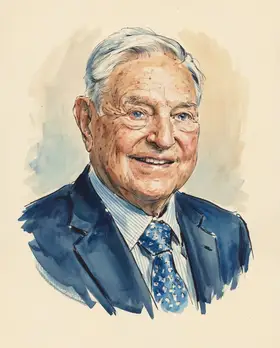
George Soros on Risk
TL;DR
For George Soros, success in finance hinges on managing the magnitude of losses when wrong, not merely being right.
Key Points
He believes the hardest aspect of investing to gauge correctly is determining the safe level of risk.
Soros is known for prioritizing the magnitude of losses when wrong over the frequency of being right in trades.
He asserts that hedge funds use credit, which introduces instability, and therefore transactions involving credit should be subject to regulation.
Summary
George Soros views risk management as a paramount principle in investing, arguing that the outcome of a trade—how much money is made when right versus how much is lost when wrong—is the true measure of success. He believes financial markets are inherently unstable due to reflexivity, where perceptions feed back into reality, creating boom-bust cycles and potential bubbles. This inherent imperfection means markets are often wrong, presenting opportunities to profit by running with existing trends or betting on their reversal. He stated that the hardest thing to judge is what level of risk is safe.
His approach is characterized by a focus on survival and capital preservation, emphasizing the need to exit losing trades quickly to limit downside exposure. Soros has linked credit, which is a source of instability, to systemic risk, suggesting that transactions involving credit should be regulated. Furthermore, his theory of fallibility underscores that because humans are fallible, markets must also be fallible, meaning one must be prepared to admit mistakes, as he noted, "I'm only rich because I know when I'm wrong". Recognizing bubbles and managing volatility are essential components of this risk-aware philosophy, as he once acknowledged that outperforming the market consistently does not come with low volatility.
Key Quotes
it's not whether you're right or wrong; it's how much money you make when you're right and how much you lose when you're wrong
It's not whether you're right or wrong that's important, but how much money you make when you're right and how much you lose when you're wrong.
Frequently Asked Questions
George Soros’s core philosophy centers on rigorous risk management, asserting that success is measured by the profit gained when correct versus the loss incurred when incorrect. He believes markets are inherently fallible and volatile due to reflexivity, making capital preservation crucial. He stresses the importance of having strategies in place to protect assets during market downturns.
He strongly advocates for minimizing losses by recognizing mistakes quickly and exiting losing trades promptly to protect capital. Soros stated that he is only rich because he recognizes when he is wrong, implying that controlling the downside is more important than being right all the time. This defensive posture is key to long-term survival and success in his view.
Yes, the investor has pointed to the role of credit in introducing instability to financial markets, suggesting that transactions involving credit should be regulated. He also noted that securitization of mortgages, while claimed to reduce risk, actually increased systemic risk by creating agency problems.
Sources8
How to invest like the best: how George Soros rewrote the rulebook
George Soros's Top Trading Rules: Master Risk and Reward for NSE:NIFTY
George Soros: 5 lessons on investing - Banco Carregosa
Quote of the day by George Soros: 'It's not whether you're right or ...
Robert Merton and George Soros on the economics of risk - Big Think
George Soros Quotes About Risk | A-Z Quotes
The Top 10 George Soros Investment Principles and Quotes
George Soros' Trading Techniques: A Blueprint for Success in Today's Markets
* This is not an exhaustive list of sources.