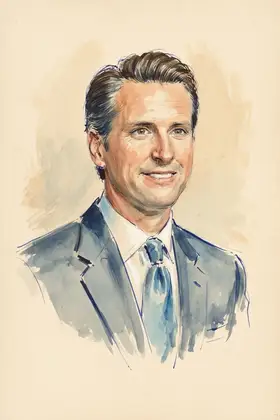
Gavin Newsom on Reparations
TL;DR
Gavin Newsom has established a reparations agency while signing an apology, but has vetoed more direct financial redress proposals.
Key Points
In September 2024, he signed a formal bipartisan apology for California's role in slavery.
He signed a law in October 2025 creating a state agency to study and develop reparations proposals.
He vetoed several racial justice proposals in October 2025, including some related to direct financial redress.
Summary
Gavin Newsom's stance on reparations involves a measured, multi-step approach, balancing support for the concept with fiscal and political pragmatism in implementation. The Governor signed legislation establishing the first-in-the-nation state agency dedicated to reparations, which is tasked with developing concrete proposals for the descendants of enslaved people in California. This action followed the signing of a formal bipartisan apology by Newsom for the state's historical role in slavery. However, this executive support for study and formal recognition has been tempered by actions on direct financial compensation.
His administration signaled a cautious approach by vetoing specific legislative measures that would have provided direct financial payments or established an immediate framework for monetary redress. This selective approach suggests a preference for an incremental path forward, focusing first on structural changes and formal acknowledgments rather than immediate wealth transfer. The overall strategy appears to be one of institutionalizing the study and planning phases of reparations, which some critics view as a deliberate slow-roll to avoid the most controversial financial commitments.
Frequently Asked Questions
Gavin Newsom's current position is one of cautious support, focusing on institutionalizing study and formal recognition. He has signed legislation to create a state agency specifically for reparations planning and has issued a formal apology for slavery. However, he has demonstrated reluctance to immediately enact proposals involving direct financial payments.
Yes, Governor Newsom supported the initial work that led to the Reparations Task Force's recommendations. He signed the study law that created the groundwork for the current state actions. This support evolved into establishing a permanent agency to continue the work after the initial task force concluded.
The Governor vetoed several racial justice bills, specifically those moving toward direct financial remedies for descendants of the enslaved. While he supported the creation of the reparations agency, he chose not to approve immediate monetary distribution or certain policy measures passed by the legislature.
Sources9
What’s next for reparations in California after Newsom’s signings and vetoes?
Governor Newsom Signs California Legislative Black Caucus Priority Bills, Including a Formal Bipartisan Apology for the State’s Role in Slavery
Newsom signs reparations agency, vetoes other racial justice proposals
Gov. Newsom signs a reparations study law, but vetoes other racial justice proposals
California Governor Vetoes Reparations Proposals for Black Residents
Newsom signs major bills on slavery reparations, firearms, AI and more
Newsom signs bill creating reparations agency but vetoes financial payouts
A Promise Kept: California Establishes First-in-the-Nation Reparations Agency
* This is not an exhaustive list of sources.