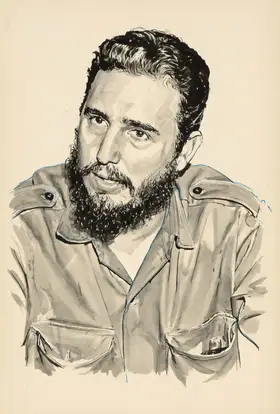
Fidel Castro on Mao
TL;DR
Fidel Castro viewed Mao Zedong as a great revolutionary leader who made significant historical contributions but committed grave political errors later.
Key Points
He asserted that Mao Zedong possessed great political and military talent, achieving a victorious struggle against Japanese Imperialism.
He was 'absolutely convinced' that Mao made grave political errors in his final stage, particularly regarding the harsh methods of the Cultural Revolution.
The friendship between Cuba and China was forged by the historical leaders, represented by Mao Zedong and Fidel Castro Ruz.
Summary
Fidel Castro held a complex and nuanced view of Mao Zedong, acknowledging his immense historical merit while simultaneously condemning certain policies and decisions from his later life. Castro recognized Mao as a leader of significant political and military talent who successfully led the struggle against Japanese Imperialism and the Kuomintang government, writing brilliant pages in history. This recognition extended to acts of international solidarity, such as sending aid to Cuba's literacy campaign, which was enshrined in the Cuban Literacy Museum.
Despite this foundational respect for the revolutionary achievements, Castro was convinced that Mao made great political errors in his final stage, specifically citing the harsh and unjust methods of the Cultural Revolution as leading to a subsequent turn to the right in the Chinese revolutionary process. This mixed perspective was also influenced by international dynamics; during the Sino-Soviet split, relations between Cuba and China were strained, leading to mutual criticism. However, even later in life, Castro paid respects, leaving a wreath on Mao's grave with a touching letter.
Frequently Asked Questions
Fidel Castro generally respected Mao Zedong as a great revolutionary figure with significant historical merit and military talent, according to reports citing his autobiography. He believed Mao wrote brilliant pages in history through his successful struggles against imperialism. However, he simultaneously felt Mao made grave political errors late in life, particularly regarding the extreme left's harsh methods.
No, Fidel Castro disagreed with many aspects of Mao's policies, especially those implemented during the final stage of his life. He specifically criticized the methods used during the Cultural Revolution, viewing them as harsh and unjust, which he believed led to a rightward turn afterward.
The relationship was strained at times, particularly during the Sino-Soviet split when communist nations often criticized each other, according to commentary from the period. Despite this, official Cuban narratives affirm that the long-standing friendship between Cuba and China was forged by Fidel Castro and Chairman Mao.
Sources7
Fidel Castro's opinions on Mao Zedong : r/communism101
Castro honors Mao
Castro, Mao and China's ties to Cuba
Was Fidel Castro pro-Mao and pro-Stalin
Mao Tsetung Thought Versus Opportunism, 2 - Marxists.org
China and Cuba build on the friendship established by Chairman Mao and Fidel Castro
Compare and Contrast Mao and Castro by Tyler Mann on Prezi
* This is not an exhaustive list of sources.