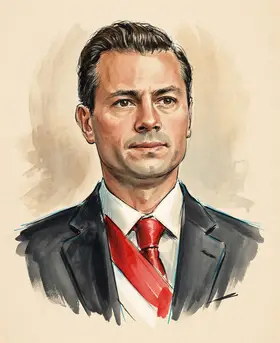
Enrique Peña Nieto on Gasolinazo Price Hike
TL;DR
Enrique Peña Nieto defended the gasoline price hike as a necessary, difficult decision to reflect international costs and avoid future fiscal crisis.
Key Points
The price hike took effect on January 1, 2017, as a result of the transition toward eliminating government price controls.
He stated in a January 5 address that maintaining artificial prices would have necessitated cutting social programs or raising taxes.
The policy was a consequence of the energy reform he promoted and signed into law in 2013, which began deregulating the market.
Summary
Enrique Peña Nieto defended the January 1, 2017, gasoline price hike, known as the gasolinazo, insisting it was unavoidable. He stated in a televised address that allowing fuel prices to reflect their international cost was a difficult but essential move for the president to make now to prevent worse consequences later. He argued that keeping prices artificially low would unfairly take money from the poorest Mexicans and give it to those with the most, justifying the deregulation as part of a broader energy sector reform.
This policy, which ended decades of government-subsidized pricing, was enacted despite the president already having historically low approval ratings due to corruption scandals and economic performance. The resulting unrest, which included protests, blockades, and looting across numerous states, significantly eroded his public support further. The administration rejected calls to temporarily halt the hikes, maintaining that price liberalization was necessary to afford social programs without resorting to tax increases or increased national debt.
Key Quotes
Allowing gasoline to rise to its international price is a difficult change, but as president, my job is to precisely make difficult decisions now, in order to avoid worse consequences in the future
Frequently Asked Questions
Enrique Peña Nieto justified the gasolinazo by stating it was a difficult but necessary action to align gasoline prices with international market rates. He argued that maintaining artificial prices would have forced the government to cut crucial social programs or increase taxes, thereby risking economic stability.
The unpopular fuel price hike significantly damaged the standing of Enrique Peña Nieto, pushing his approval rating to a record low of just 12 percent according to one poll. This exacerbated existing public frustration with his administration over corruption and economic performance.
In response to the widespread protests, Peña Nieto announced that high-ranking federal officials would take a 10% pay cut. However, this measure was unlikely to quell the public's anger over the fuel price increase itself.
Sources5
Mexico gasoline protests: president insists there's no alternative to price hike
2017 Mexican protests - Wikipedia
Gas Price Increase Pushes Mexican President's Approval Rating to Record Low
Resistance to Privatization of Oil in Mexico – Commodities, Conflict, and Cooperation
While Mexicans angered by hike in gas prices protest, a call for political change
* This is not an exhaustive list of sources.