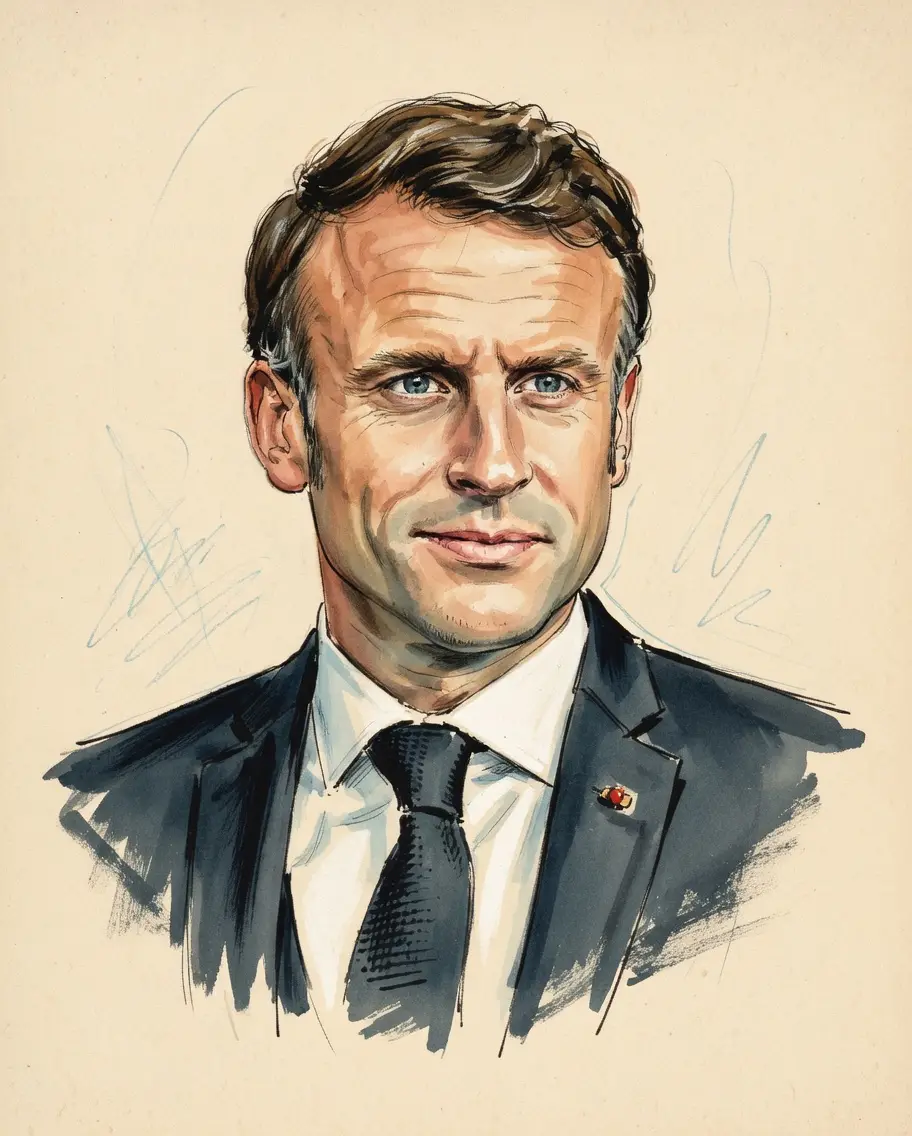
Emmanuel Macron on NATO
TL;DR
Emmanuel Macron advocates for stronger European strategic autonomy, including a revamped nuclear posture, while remaining committed to the NATO alliance structure.
Key Points
He announced plans to increase the number of French nuclear warheads for the first time since 1992 as part of a new posture by March 2026.
His prior assertion in late 2019 was that NATO was experiencing “brain death” due to a lack of political and strategic coordination.
He confirmed France will allow the temporary deployment of nuclear-armed aircraft to eight allied European countries, while retaining all launch authority in 2026.
Summary
Emmanuel Macron has actively pushed for a significant re-evaluation of European security and France's role within NATO, recently unveiling a doctrine of “forward deterrence.” This position is marked by a desire to bolster European strategic autonomy, which he signaled through concrete changes to France’s nuclear posture, including increasing its warhead count and allowing the temporary forward-basing of nuclear-armed aircraft with allied European states. While he is enhancing bilateral deterrence cooperation with key partners like Germany and Poland, he reaffirmed that the sole decision-making authority for the French deterrent remains with Paris and that this cooperation is distinct from, though complementary to, existing NATO arrangements.
His earlier critique that NATO was suffering from “brain death” highlighted a concern that the alliance’s political and strategic coordination was failing, citing issues like uncoordinated actions by members and wavering US leadership. This view drives his current policy, which seeks to ensure European security interests are defended even amid uncertainty about the US commitment to the region, a concern amplified by recent US defense strategy signals. His approach aims to add an alternate decision-making center to the overall NATO deterrent posture, even as he calls for allies to step up conventional defense capabilities to support this new architecture.
Frequently Asked Questions
Emmanuel Macron is currently positioning France to strengthen European strategic autonomy through its own enhanced nuclear deterrence, which he views as complementary to the existing NATO structure. He remains committed to the alliance but demands deeper political and strategic coordination from all members.
Yes, Emmanuel Macron made a notable comment describing NATO as “brain dead” in a late 2019 interview. He cited a lack of strategic dialogue and uncoordinated actions among members as the root cause of this alleged political failure.
France is developing a concept called “advanced deterrence” which involves increasing its nuclear warheads and lending nuclear-armed aircraft for temporary deployment to key European allies. This security relationship is meant to be distinct from, yet complementary to, NATO arrangements.
Sources8
What Macron’s changes to French nuclear policy mean for European security
Macron says France will allow temporary deployment of nuclear-armed jets
NATO's Rutte backs Macron's nuclear revamp, says US umbrella is ultimate guarantee
Macron unveils France nuclear strategy to counter Russian aggression amid wavering US
NATO after “Brain Death”: the View from France, Germany, and Poland
France to increase nuclear warheads, lend nuclear aircraft to Europe allies
France nuclear deterrence strategy: Macron
Emmanuel Macron warns Europe NATO is becoming brain dead
* This is not an exhaustive list of sources.