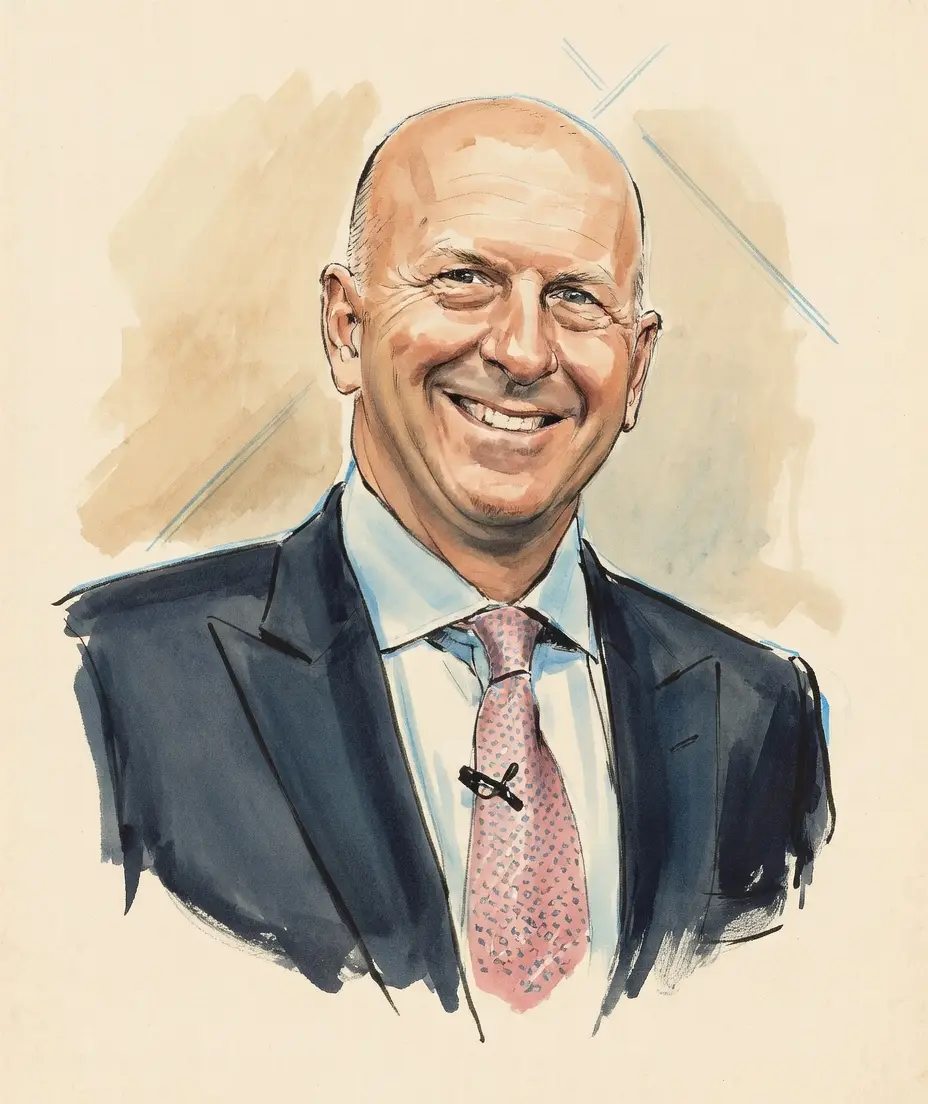
David Solomon on Recession
TL;DR
David Solomon remains cautious about recession risks, noting increased uncertainty driven by geopolitical events and economic frothiness.
Key Points
He stated that recession could expose weakness in the private credit market as of early 2024.
The chances of a US recession increased following the implementation of new tariffs in April 2025.
Following geopolitical conflict, he noted markets might take a couple of weeks to digest the impacts as of early March 2026.
Summary
David Solomon, as the Chief Executive Officer of Goldman Sachs, frequently comments on the likelihood and implications of an economic recession for markets and the broader economy. He has expressed caution, noting that the chances of a United States recession increased following certain policy announcements, like new tariffs, and has consistently monitored for excessive risk-taking.
His commentary often links recessionary fears to specific external pressures, such as geopolitical instability, which can cause market digestion periods, although he has characterized initial market reactions to certain conflicts as benign. Solomon also focuses on spotting frothiness in less regulated sectors, such as the private credit market, as a potential precursor or contributing factor to future economic downturns that could lead to recessionary conditions.
Key Quotes
Losses Could Be Meaningful
Frequently Asked Questions
David Solomon generally maintains a cautious stance regarding recession risk, often highlighting specific factors that could trigger or worsen an economic downturn. He actively watches for concerning trends in the financial system that might signal increased vulnerability.
David Solomon has indicated that the probability of a recession has increased at certain times due to economic and political factors, such as new tariffs. However, his commentary is often focused on monitoring risks rather than declaring an immediate certainty of a downturn.
The Goldman Sachs CEO has pointed to policy decisions, like new tariffs, as factors that increase recession chances. He also frequently mentions monitoring for frothiness, especially in areas like private credit, as a potential vulnerability.
Sources7
Goldman CEO says markets may take couple weeks to digest Iran war impacts
Goldman’s Solomon Says Market Reaction to War Is Benign So Far
Goldman Sachs CEO David Solomon outlook
Goldman Sachs CEO warns recession could expose weakness in private credit market
Forget all the recession chatter, Goldman Sachs CEO David Solomon feels the economy is fine.
Goldman Sachs CEO David Solomon Watching For Frothiness In Private Credit Market
Goldman Sachs boss says chances of US recession has increased after Trump's tariffs
* This is not an exhaustive list of sources.