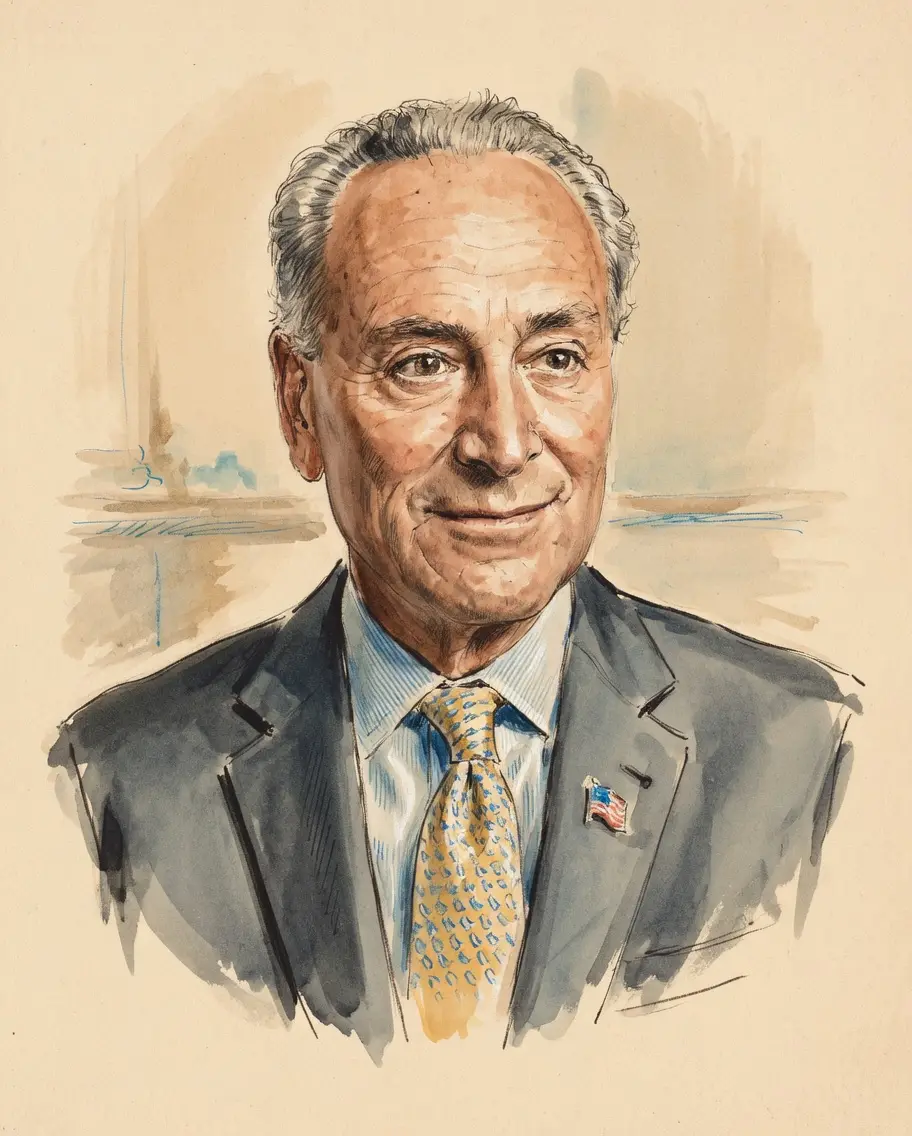
Chuck Schumer on Iran
TL;DR
Chuck Schumer strongly opposes unilateral military action against Iran and champions Congress's constitutional role in authorizing war.
Key Points
He led a bipartisan War Powers Resolution to affirm the Constitution requires Congressional approval for U.S. forces to fight a war in Iran as of March 2026.
He stated the American people do not want another endless and costly war in the Middle East when domestic issues, like rising costs, are pressing.
Following military strikes, he implored the administration to be straight with Congress about the objectives of the strikes and what the next steps would be.
Summary
Chuck Schumer has established a core position opposing what he views as the executive branch's unilateral initiation of military conflict with Iran, especially in the absence of clear authorization or strategy. He has vocally urged his colleagues to stand with the American people who are exhausted by ongoing Middle East engagements and do not desire another costly, endless war. The Senator's stance centers on the need for legislative oversight, emphasizing that the President cannot commit U.S. forces to a war in Iran without explicit Congressional approval, a principle he says the Constitution affirms.
This position was crystallized in his leadership in promoting a bipartisan War Powers Resolution shortly after military operations commenced against Iran. He framed the upcoming vote as a definitive choice for Senators to either support the will of Americans wary of new conflicts or align with the President's perceived belligerence. Furthermore, he has demanded that the administration provide Congress and the public with critical details regarding the objectives and future scope of any military strikes, citing the necessity for strategic clarity while confronting Iran's nuclear ambitions and malign regional activities.
Frequently Asked Questions
Chuck Schumer is strongly against the President launching a full-scale conflict against Iran without authorization from Congress or a clear plan. He views such unilateral action as a war of choice, not necessity, that risks more American lives and taxpayer dollars. The Senator insists on reasserting Congress's constitutional duty in matters of war.
The provided information primarily focuses on his strong opposition to a specific, recent military escalation initiated by the President, suggesting a consistent stance regarding the necessity of Congressional approval for war. His remarks focus on reining in executive war powers rather than an overall change in diplomatic relations.
The Senator stated that every senator must take a side: either stand with the American people who are exhausted by forever wars or stand with the President in starting another one. He demanded immediate briefings from the administration to explain the objectives and what comes next following military operations.