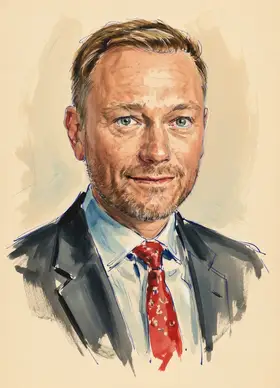
Christian Lindner on Wealth Inequality
TL;DR
Christian Lindner generally favors market-driven prosperity over state intervention to address economic imbalances and wealth distribution.
Key Points
He supports policies designed to stimulate investment and overall economic growth as the primary means to address disparities, as articulated in various economic summits hosted by his party.
His economic philosophy typically prioritizes reducing the tax burden on capital and income, aligning with classical liberal principles against wealth taxes.
He has been involved in government coalition discussions where taxation and fiscal policy concerning capital gains and wealth inheritance were key points of contention.
Summary
Christian Lindner, as a prominent figure in German politics, frames his position on wealth inequality primarily through the lens of supply-side economics and promoting overall economic growth. His core stance emphasizes that the most effective way to improve living standards across all segments of society is by fostering a dynamic, competitive economy through lower taxes and reduced regulation, rather than through direct redistribution policies like wealth taxes. This perspective suggests that wealth creation, driven by entrepreneurship and investment, will naturally lead to broader prosperity, thereby mitigating the most extreme effects of inequality over time. He often prioritizes policies aimed at stimulating investment and reducing the fiscal burden on earners and capital, arguing these are the true engines of upward mobility.
This outlook places him at odds with political factions advocating for more explicit measures to curb the concentration of wealth, such as implementing or strengthening inheritance taxes or introducing a tax on net assets. While not entirely ignoring the issue of economic disparities, his political focus leans heavily toward incentivizing the creation of wealth, viewing aggressive redistribution measures as potentially damaging to the investment climate and long-term economic health. His proposals often center on the belief that economic dynamism, which he champions, is the best long-term corrective to wealth gaps within the German economy.
Key Quotes
...in a country with one of the highest concentrations of wealth in the world. As of 2024, there are an unprecedented 132 billionaires in Germany. The super-rich hoard staggering wealth and fuel the climate crisis with their investments and lifestyles
German minister for economic affairs and climate Robert Habeck proudly told reporters how he cut down his showering time, while his colleague Winfried Kretschmann advised people: just put on a sweatshirt.
Frequently Asked Questions
Christian Lindner's position on wealth inequality generally favors stimulating overall economic growth through market-oriented policies rather than focusing on direct redistribution. He believes that creating a dynamic economy with lower taxes on capital and investment is the most effective long-term solution for improving living standards across the board.
He has historically expressed skepticism or opposition towards implementing a wealth tax in Germany. Christian Lindner views such measures as potentially detrimental to the nation's investment climate and entrepreneurial spirit, preferring to focus on broad-based economic stimulus.
Christian Lindner proposes reducing economic disparities by unleashing the potential of the private sector through deregulation and significant tax relief across the income spectrum. He advocates for fostering an environment where wealth is created through business success, arguing this benefits society more than wealth confiscation.
Sources4
“We’re the tired man of Europe” says German Finance Minister Christian Lindner
Fact Sheet: The Case for a German Wealth Tax on Billionaires
Germany's FDP to host its own economic summit on same day as Scholz
German Finance Minister Lars Klingbeil is seeking a consensus among the leaders of...
* This is not an exhaustive list of sources.