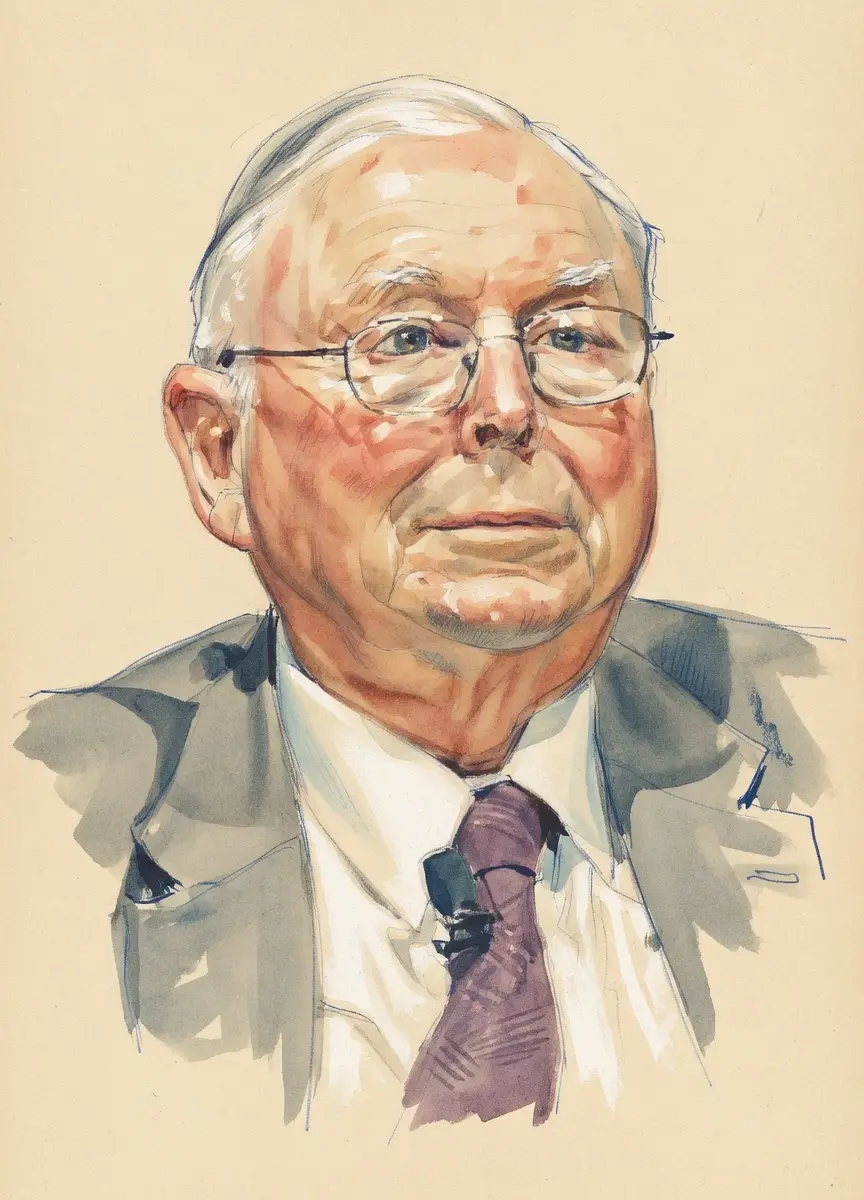
Charlie Munger on Greed
TL;DR
Charlie Munger contended that human behavior is more frequently driven by envy than by simple greed.
Key Points
He expressed the view that envy, not greed, is the primary driver of human action and societal problems.
The investor contrasted these two vices, noting envy is a more socially destructive force in his analysis.
This perspective suggests that irrational human psychology, fueled by comparison, poisons decision-making in areas like investing.
Summary
Charlie Munger explicitly stated that he believed the world's major problems and much of human action are motivated by envy rather than sheer greed. He often contrasted these two human vices, suggesting that while greed is present, the destructive power and ubiquity of envy—the desire for what others have—is the more significant driver of conflict and bad decisions in society and markets. This position was frequently shared by the investor in public forums, often when reflecting on human irrationality and the pitfalls of judging success by comparison.
This distinction provided context for his broader critique of human psychology, particularly as it applies to investment and business ethics. By focusing on envy, Munger implied a more relative and socially destructive force than the individualistic accumulation associated with greed. He framed envy as a deeply rooted, irrational human failing that poisons judgment and leads people to act against their own best interests simply to see others do worse or have less.
Key Quotes
The world is not driven by greed; it's driven by envy.
Envy Is a Really Stupid Sin, Because It’s the Only One You Could Never Possibly Have Any Fun At.
Frequently Asked Questions
Charlie Munger took a specific stance, arguing that envy is a more dominant and destructive human motivator than greed. He frequently contrasted the two vices when discussing human failings and decision-making errors.
No, the billionaire investor strongly contended that the world is not primarily driven by greed, but rather by envy. He highlighted envy as the force more frequently responsible for conflict and irrational behavior.
Charlie Munger emphasized that envy, the desire for what others possess, is a more potent vice than simple greed. He framed this distinction as key to understanding irrational human behavior in business and life.
Sources5
Billionaire Charlie Munger: World is driven by envy, not greed
Charlie Munger: The world is not driven by greed, it’s driven by envy
Billionaire investor Charlie Munger: The world is not driven by greed—it's driven by envy
Charlie Munger: The World Is Not Driven By Greed, It’s Driven By Envy
Envy
* This is not an exhaustive list of sources.