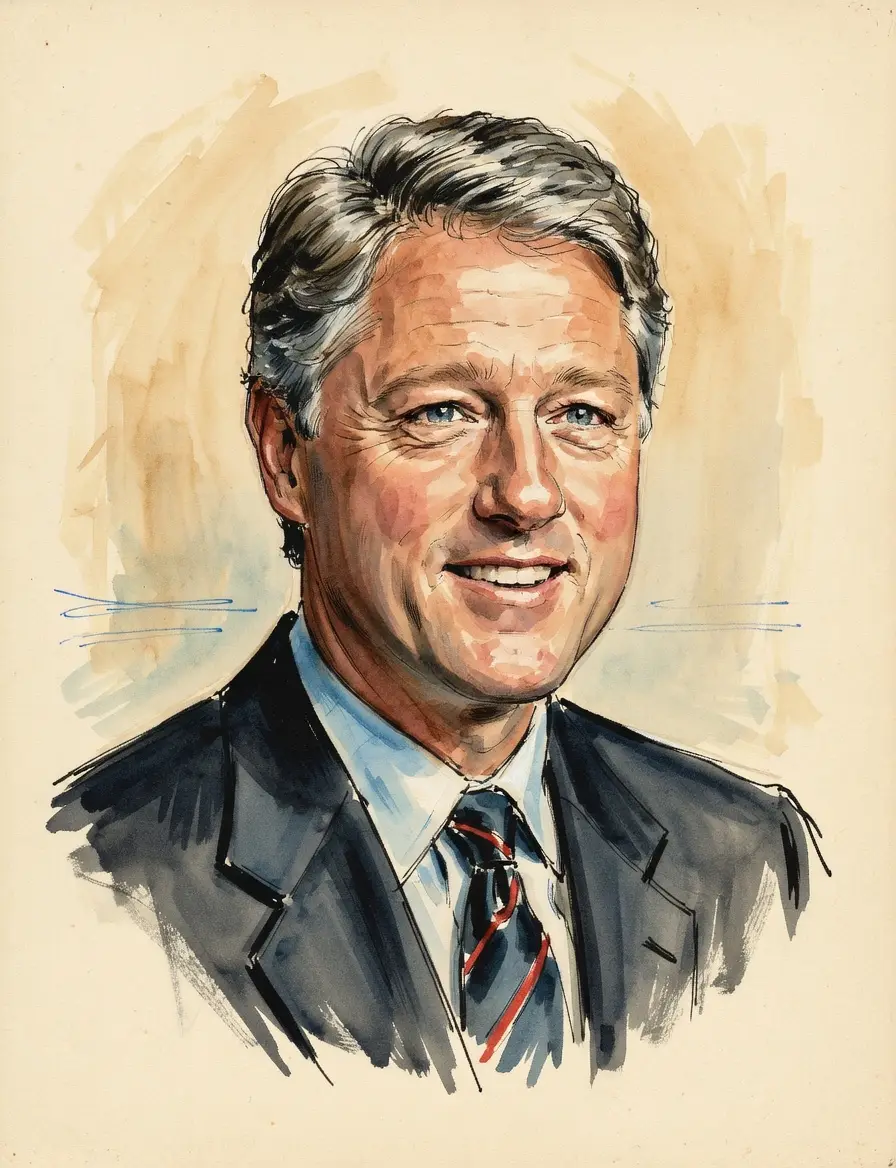
Bill Clinton on Yugoslavia Conflict
TL;DR
Bill Clinton sharply criticized the preceding administration's lack of assertiveness regarding the escalating humanitarian crisis in Yugoslavia.
Key Points
During the 1992 election cycle, Bill Clinton criticized the sitting administration for overlooking the human costs of the unfolding Yugoslav conflicts.
The new administration eventually traded its recognition of Slovenia and Croatia for European recognition of Bosnia, deepening U.S. diplomatic engagement.
Officials of the Clinton administration repeatedly made the case for NATO intervention in Kosovo on humanitarian grounds starting in Spring 1998.
Summary
Bill Clinton, as a presidential challenger, sharply critiqued the preceding administration's handling of the escalating crisis in Yugoslavia, arguing against turning a blind eye to the human costs involved. His analysis aimed to increase public awareness and put pressure on the sitting government to adopt a more assertive approach to the growing conflict in the Balkans. This criticism foreshadowed a more engaged U.S. policy after he assumed office, although substantive policy changes took time to materialize.
The shift in U.S. posture only became more pronounced after the former president entered office, with policy toward the Balkans becoming more assertive after nearly two years of his term had passed. A significant moment occurred when the United States traded its recognition of Slovenia and Croatia for European recognition of Bosnia, signaling a move toward deeper diplomatic involvement in the Bosnian war. Furthermore, the context of the Kosovo conflict in 1999 saw a determined administration advocate for NATO intervention based on humanitarian grounds, contrasting with the earlier administration's reluctance to act.
Frequently Asked Questions
Bill Clinton's primary stated view, particularly when he was a challenger, was that the preceding administration was too passive regarding the severe humanitarian crisis in Yugoslavia. He sought a more assertive U.S. foreign policy stance to address the conflict's human costs.
Yes, the administration became more assertive after he took office, engaging diplomatically by trading recognition for European counterparts regarding Bosnia. Later, the administration pursued military options via NATO during the Kosovo crisis.
As president, Clinton's administration advocated for and implemented military action, notably the NATO air campaign in Kosovo in 1999, citing a moral obligation to protect refugees. This marked a significant use of force based on humanitarian concerns.
Sources5
The Ties That Divide: Ethnic Politics, Foreign Policy, and International Conflict (Chapter 1)
Still "not worth the healthy bones of a single Pomeranian grenadier: Conflicts in the Balkans in light of American hegemony, Russian fears and Europe as a U
US and NATO intervention in Kosovo war of 1998 to 1999
The case for a UN force | American Academy of Arts & Sciences
5 International Responses to Secession in Yugoslavia, 1989–2011
* This is not an exhaustive list of sources.